
Emily from Manchester was excited when she brought home her new hypoallergenic dog. But just a few weeks later, she called me, frustrated: “I thought hypoallergenic dogs don’t shed! Why is there fur everywhere?”
I reply her: “Dear, hypoallergenic doesn’t mean no shedding. It simply means your dog produces fewer allergens than other breeds, not that they won’t lose hair at all. Even the calmest, most hypoallergenic dogs go through normal hair cycles and can shed for a variety of reasons.”
As a pet care expert who’s worked with countless breeds and skin conditions, I’ve seen how confusing this can be. In this guide, I’ll tell you the same that I said to Emily about her lovely dog.
Why Your Hypoallergenic Dogs Shed
Even though hypoallergenic dogs shed less than many other breeds, shedding is still normal. Let’s break down the real reasons why it happens.
Natural Hair Growth Cycle
All dogs—yes, even hypoallergenic ones—have hair follicles that go through growth and rest cycles.
Hypoallergenic breeds usually have hair, not fur. Hair grows longer and falls out more slowly. But when old hairs reach the end of their cycle, they must shed to make room for new growth.
1. Anagen – The Growth Phase
This is the stage when hair is actively growing. The longer a dog stays in this phase, the longer and stronger the hair becomes.
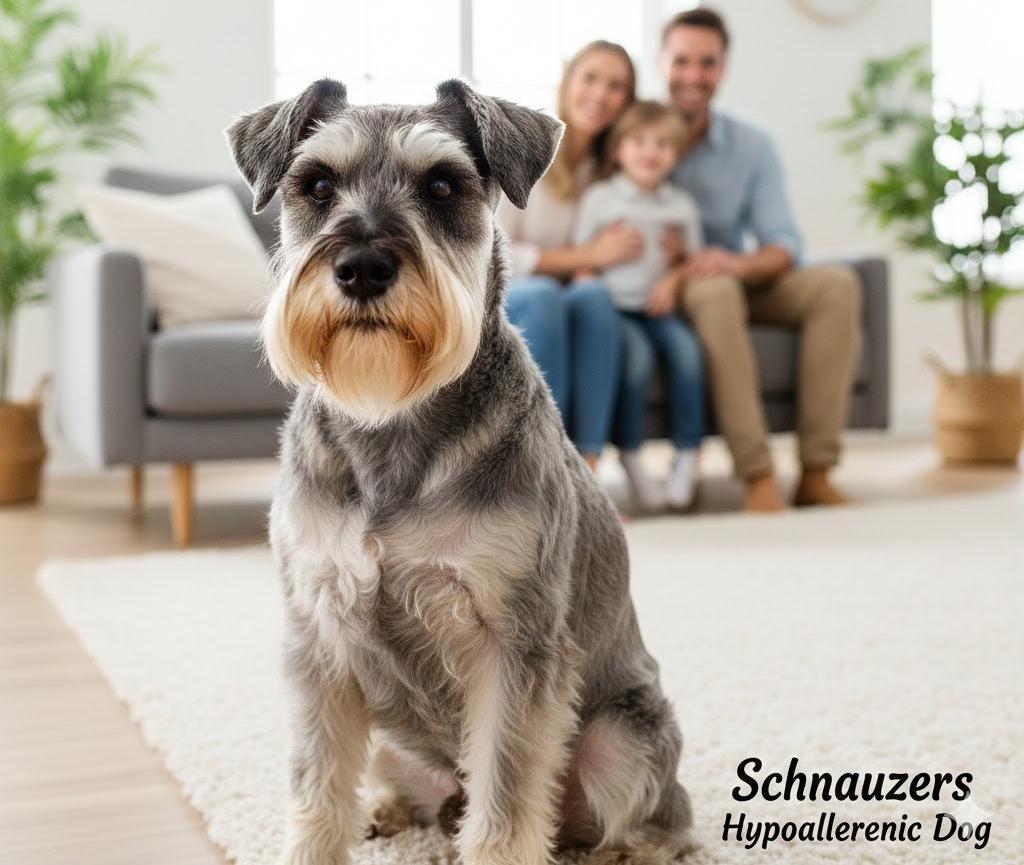
Hypoallergenic breeds like Poodles, Bichon Frise, Maltese, and Schnauzers spend much more time in anagen than heavy-shedding breeds. This is why their hair grows long, curly, or wiry instead of falling out quickly.
In contrast, breeds like Labradors and German Shepherds leave this phase quickly, which is why their fur sheds more often and more heavily.
This long growth phase is the main genetic reason hypoallergenic dogs shed less.
2. Catagen – The Stop Phase
In this stage, the hair stops growing. The follicle shrinks and disconnects from the blood supply that feeds the hair.
Nothing falls out yet, but the hair is no longer being supported. It’s now preparing to rest.
3. Telogen – The Resting Phase
During telogen, the hair just sits in the follicle. It’s not growing, but it has not fallen out either.
Hypoallergenic dogs stay in this phase longer than shedding breeds. This is extremely important, because it means dead hair stays trapped in the coat instead of dropping onto your floor.
This is why brushing a Poodle or Bichon often releases a lot of hair all at once — that hair has been sitting there quietly for weeks.
4. Exogen – The Shedding Phase
This is when the old hair finally releases and falls out so a new hair can grow.
In hypoallergenic dogs, exogen happens slowly and evenly. In double-coated dogs, many hairs enter this phase at the same time, which causes massive shedding.
Dogs with undercoats, like Huskies and Labs, lose huge amounts of hair when the seasons change. This is called blowing the coat. Hypoallergenic dogs do not have thick undercoats, so they do not blow their coat—but they still shed small amounts year-round.
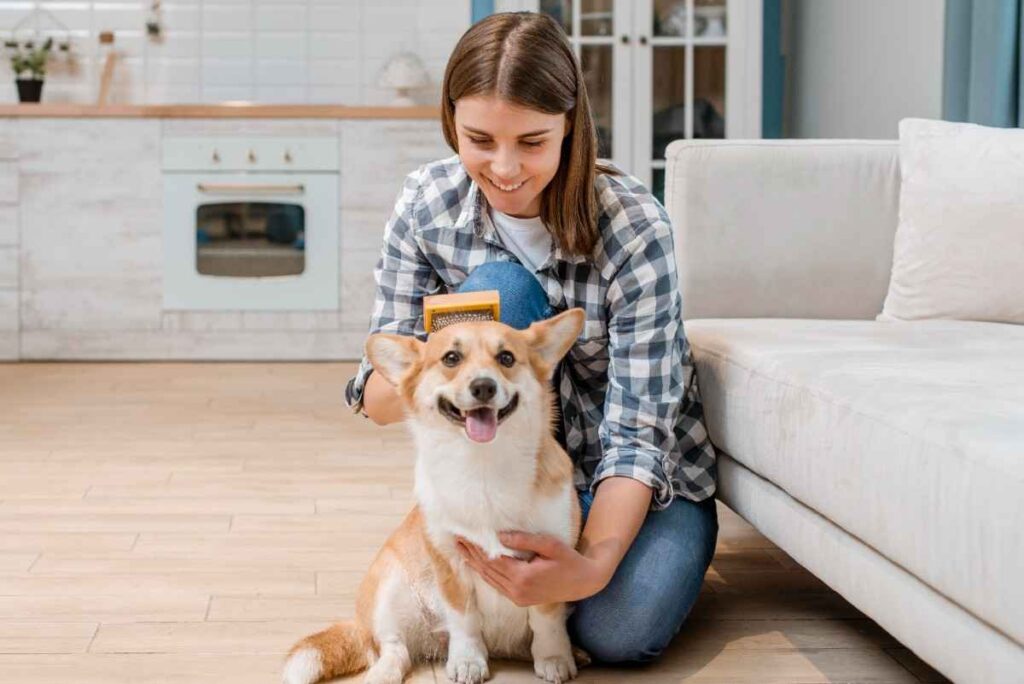
Seasonal vs. continuous shedding
Most hypoallergenic dogs don’t “blow coat” seasonally like double-coated breeds. Instead, they shed slowly and steadily all year. You may notice more hair during spring or fall due to changes in daylight and hormones.
Even low-shedding dogs lose hair—just in smaller amounts and over longer periods.
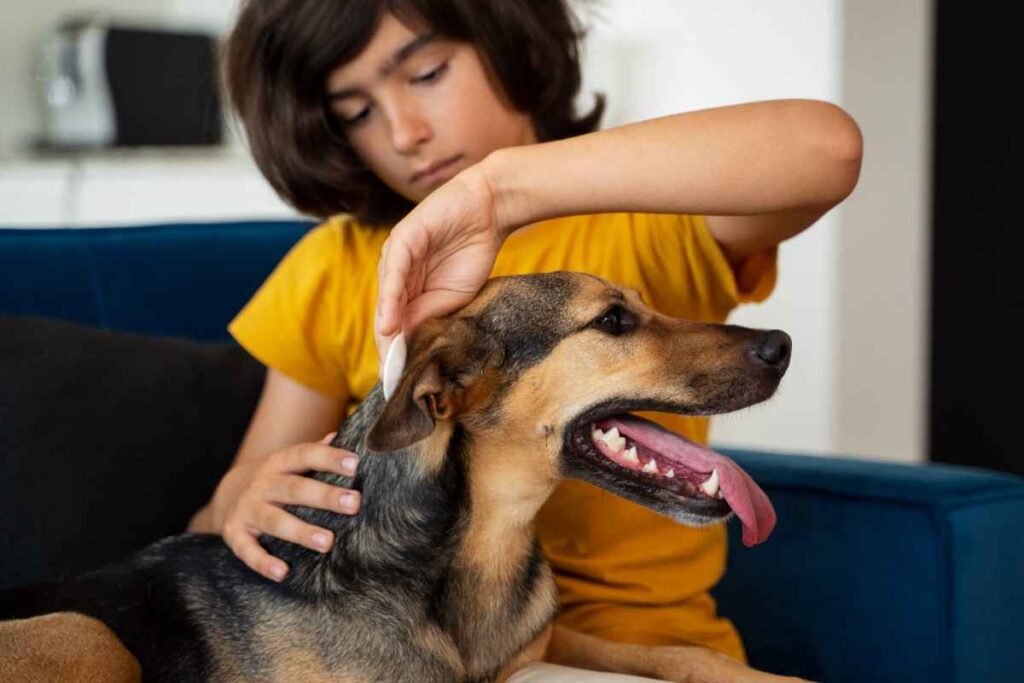
Skin & Health Issues
When shedding seems heavier than usual, health issues are often the reason, even in hypoallergenic dogs.
Common causes include:
- Skin allergies: Food or environmental allergies can cause itching and hair loss.
- Parasites: Fleas and mites can trigger excessive shedding, even if you don’t see them.
- Skin infections: Bacterial or fungal infections weaken hair follicles.
- Hormonal imbalances: Thyroid issues can cause thinning coats and patchy shedding.
These problems interrupt the normal hair cycle, causing more hair to fall out than usual.
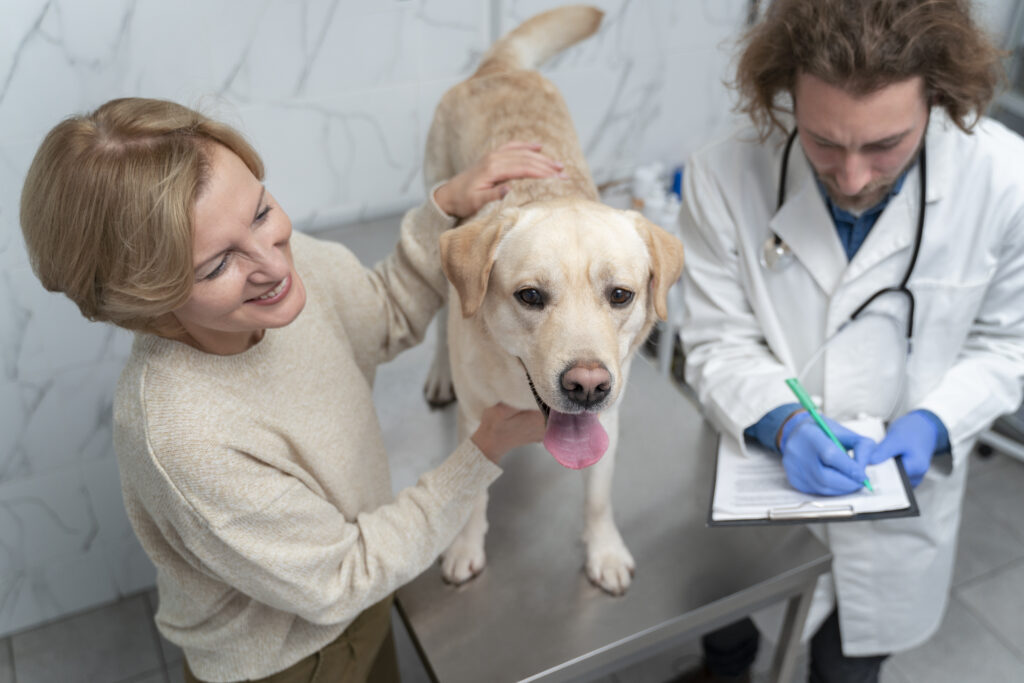
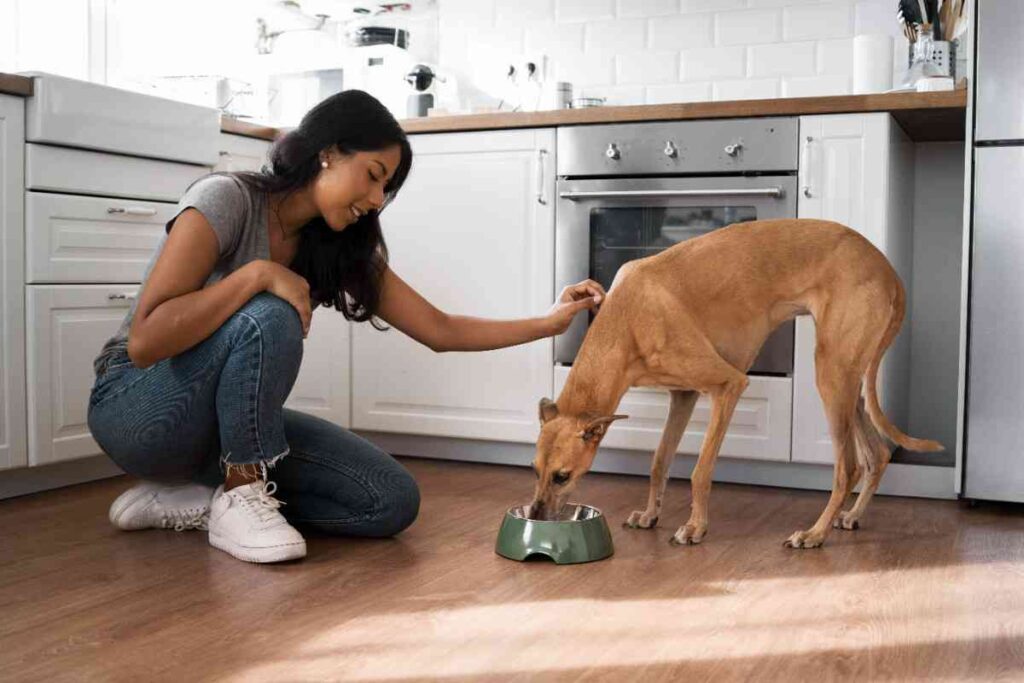
When to Call the Vet
Contact your vet if you notice:
- Bald patches or thinning areas
- Red, flaky, or smelly skin
- Constant scratching or licking
- Sudden heavy shedding that lasts more than 2–3 weeks
- Dull, dry coat despite proper grooming
Healthy skin = healthy coat. Most shedding problems start at the skin level.
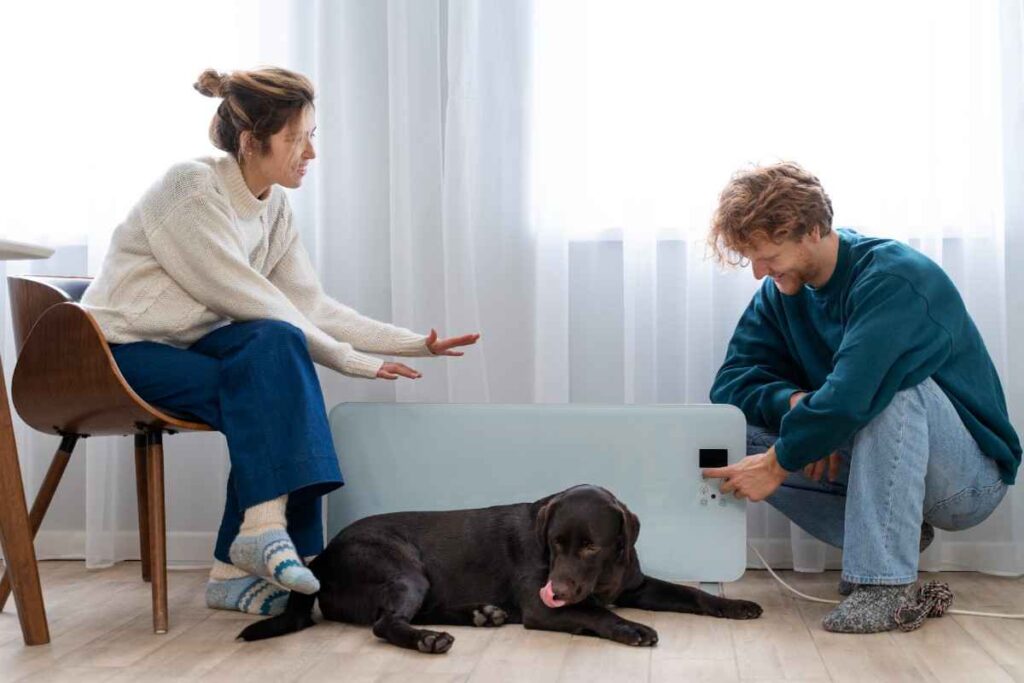
Environmental Factors
Your dog’s surroundings also matters a lot.
Indoor climate
- Dry air from heating or air conditioning can dry out skin.
- Dry skin = weak hair follicles = more shedding.
Stress
- Moving homes, new pets, loud noises, or schedule changes can trigger stress shedding.
- Stress hormones push hair into the shedding phase faster.
Diet changes
- Sudden food changes or poor-quality diets may cause temporary shedding.
- Lack of omega-3 fatty acids can lead to dry skin and hair loss.
Lighting & seasons
- Dogs respond to daylight length, not just temperature.
- Shorter or longer days can signal the body to shed, even indoors.
Important note: Seasonal shedding in hypoallergenic dogs is usually mild, not extreme.
Dog Genetics
Genetics play a major role in how much a hypoallergenic dog sheds. Certain genes control how long hair stays in the growth phase, which is why breeds like Poodles and Bichons shed slowly instead of losing fur in big clumps. These genes reduce shedding, but they do not stop it completely.
This is also why some hypoallergenic mixes shed more than expected. When dogs inherit shedding genes from one parent, their coat may release more hair even if the other parent is low-shedding. Puppy coat changes can also cause short-term shedding as adult hair grows in.
Breed-Specific Shedding Insights
One of the biggest surprises for pet parents is learning that hypoallergenic dogs still shed—just not as much as other breeds. Their hair type holds onto loose strands longer, which means you may not see hair every day, but it still comes out during brushing, bathing, or seasonal changes.
Here’s how popular hypoallergenic breeds compare:
| Breed | Shed Amount | Typical Allergic Factor | Grooming Tip |
| Poodle | Low | Curly hair traps dander and loose hairs | Brush 2–3 times per week |
| Bichon Frise | Low to Moderate | Dense curls hold dead hair inside the coat | Regular trimming every 4–6 weeks |
| Maltese | Moderate | Fine, silky hair falls out easily | Daily or frequent brushing |
| Havapoo | Low | Mixed coat from Poodle and Havanese | Professional grooming every 6–8 weeks |
| Schnauzer | Low | Wiry hair sheds when old hair dies | Hand-strip coat seasonally |
Common Myths About Hypoallergenic Dogs
There’s a lot of confusion around what “hypoallergenic” really means. These myths often lead to disappointment for loving pet parents who did everything right when choosing their dog.
Let’s clear them up.
Myth 1: Hypoallergenic dogs never shed
This is the biggest misunderstanding of all.
Every dog sheds. Hypoallergenic breeds simply shed less because their hair grows longer and falls out more slowly. Instead of dropping onto your floor, loose hairs often stay caught in the coat until brushing or bathing.
So when you see hair coming out of your Poodle or Maltese, it doesn’t mean something is wrong—it means their natural hair cycle is doing its job.
Myth 2: No allergens = safe for all allergy sufferers
Hypoallergenic does not mean allergy-free.
Dog allergies are triggered mostly by:
- Dander (dead skin cells)
- Saliva proteins
- Urine proteins
Even dogs that barely shed still produce these allergens.
Myth 3: Only long hair sheds
Short-haired dogs can shed more than long-haired ones.
Breeds like Labs and Beagles have short fur, but they shed heavily because they have double coats that release hair in large amounts. Hypoallergenic dogs usually have single-layer hair coats, which means they shed more slowly and lightly.
Hair length doesn’t decide shedding—coat type does.
What I Say About It:
Hypoallergenic dogs are a wonderful choice for many families, but they aren’t magical. They shed less, spread fewer allergens, and are easier for allergy-prone people—but they are still real dogs with real hair and skin.
And that’s okay ❤️
Expert Tips to Reduce Shedding
Even though you can’t stop shedding completely, you can reduce it a lot with the right care. Here’s what I recommend for hypoallergenic dogs:
Grooming Techniques
The right brush makes a big difference
Hypoallergenic dogs have hair that traps loose strands, so brushing is the best way to remove shedding hair before it ends up on your couch.
- Curly coats (Poodle, Bichon, Havapoo): Use a slicker brush to remove trapped hair.
- Fine hair (Maltese): A pin brush prevents breakage and pulls out loose strands.
- Wiry coats (Schnauzer): A stripping comb removes dead hair that won’t fall out on its own.
How often should you brush?
- 3–4 times a week for most hypoallergenic dogs
- Daily for long or curly coats
Bathing schedule
- Bathe every 3–4 weeks for most breeds
- Use a gentle, hypoallergenic shampoo
- Avoid harsh soaps—they dry out the skin and cause more shedding
Professional grooming
I often say it’s the heart of pet care phase. Don’t forget it in any situation. Most hypoallergenic dogs need grooming every 6–8 weeks. Trimming and coat care keep dead hair from building up and falling out all at once.
Diet & Supplements
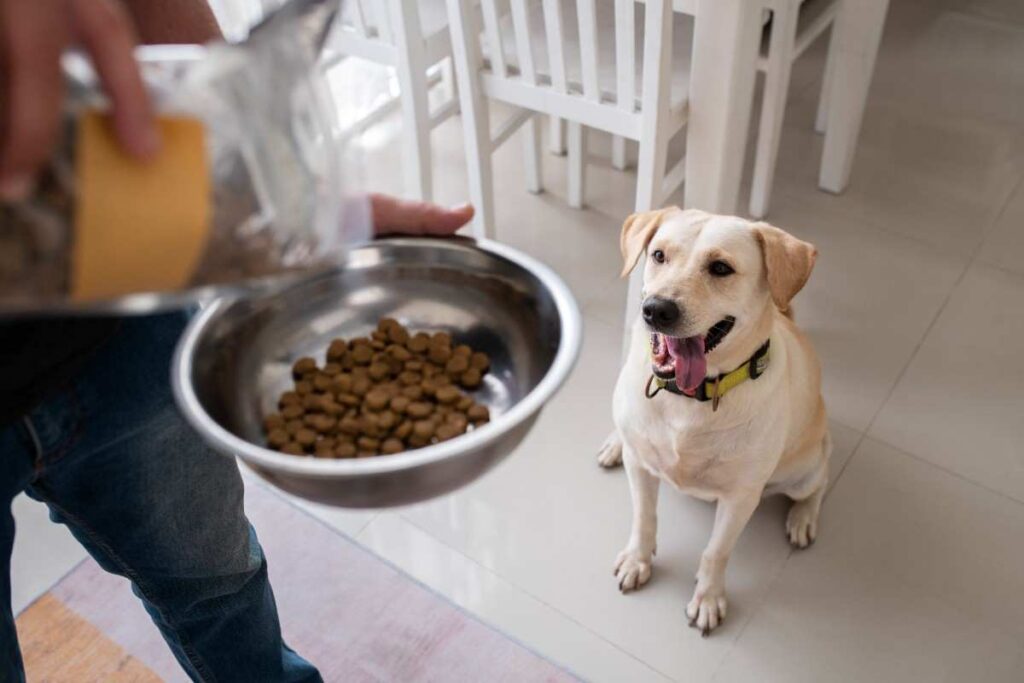
The most common nutritional causes of excess shedding are poor protein quality, fatty acid imbalance, vitamin deficiency, and dehydration. Fixing these doesn’t just reduce shedding — it improves skin health, reduces itching, and boosts your dog’s overall well-being.
Research shows that nutrient deficiencies and inflammation directly affect hair follicle strength and hair retention. When dogs lack the right nutrients, hair enters the shedding phase prematurely.
1. High-Quality Protein: The Foundation of Healthy Hair
Hair is made up mostly of keratin, a type of protein. When your dog’s diet lacks high-quality, digestible protein, several things happen:
- The body prioritizes vital organs over hair growth
- Hair becomes brittle and weak
- Hair follicles weaken, increasing shedding
What research says:
Protein quality matters. Dogs fed diets with highly digestible proteins show better coat quality and lower hair breakage compared to diets high in plant-based fillers.2
How to do it right:
Choose foods where the first ingredient is real animal protein (e.g., chicken, salmon, turkey). Avoid diets heavy in corn, wheat, soy, or by-products, which provide little usable protein for hair growth.
Example:
A study on canine nutrition found that diets rich in animal protein improved coat condition and skin integrity compared to low-quality diets.
2. Essential Fatty Acids (Omega-3 & Omega-6): The Most Studied Nutrients for Reducing Shedding
Fatty acids are not optional — they are essential. Your dog’s body can’t make them on its own; they must come from food.
How fatty acids help:
- Strengthen the skin’s moisture barrier
- Reduce inflammation that causes itchiness
- Support follicle health
- Reduce flakiness and dry skin that accelerates hair loss
Multiple veterinary dermatology studies show that supplementing omega-3 fatty acids reduces inflammatory skin conditions in dogs and leads to a significant reduction in shedding.
Best sources:
- Salmon oil or fish oil (rich in EPA & DHA)
- Flaxseed oil (plant source of omega-3)
- Chia seeds
Practical guide:
Start with high-quality, mercury-tested fish oil. A common recommended dose is about 20–55 mg of EPA + DHA per pound of body weight per day (ask your vet for exact dosing)
3. Vitamins & Minerals That Support Hair Growth
Healthy hair depends on more than just protein and fats — it also needs micronutrients that act as cofactors in hair and skin metabolism.
Vitamin B Complex (especially Biotin):
Biotin plays a key role in keratin synthesis and has been shown to improve coat strength and reduce hair breakage.
Vitamin A:
Essential for skin cell turnover and repair. Deficiencies can cause dry, scaly skin and increased shedding.
Vitamin C:
An antioxidant that supports skin health and reduces oxidative stress in hair follicles.
Zinc:
Critical for skin healing, reducing dandruff, and maintaining follicle health. Zinc deficiency often shows up first as coat loss and dullness.8
How to give:
Use a balanced dog multivitamin or foods rich in these nutrients. Always confirm dosing with your vet because too much vitamin A or zinc can be harmful.
4. Turmeric (Curcumin) for Inflammation and Allergies
Many dogs shed more because their skin is inflamed by allergies or irritants.
Curcumin, the active compound in turmeric, has been shown in veterinary studies to have anti-inflammatory effects that may help skin irritation and support immune health.
Turmeric isn’t a replacement for veterinary treatment, but as part of a balanced diet, it can reduce skin flare-ups and itching that trigger shedding.
How to use it:
Mix a small amount into food with black pepper and healthy fat (like olive oil) to improve curcumin absorption.
5. Hydration: The Overlooked Factor That Changes Everything
Dry skin sheds excessively. This is a simple but crucial fact:
- Dry kibble alone does not provide proper hydration
- Dehydrated dogs end up with dry, irritated skin, weaker hair follicles, and increased hair loss
A 2017 study on canine hydration found that dogs with better hydration had healthier skin elasticity and less flakiness, both signs of a stronger skin barrier.
How to keep your dog hydrated:
- Add water or low-sodium broth to kibble
- Offer wet/canned food regularly
- Ensure clean, fresh water is always available
Most dogs will drink more water if it’s easily accessible and clean.
Practical Daily Guide (No Guesswork)
Here’s a simple, safe feeding routine you can follow:
Morning Meal
- High-quality protein food
- 1 tsp fish oil sprinkled on top
- Add a splash of water
Evening Meal
- Same base diet with omega-3 supplement
- Optional turmeric mix (small amount with pepper & healthy oil)
Daily
- Fresh water available all day
- Weekly check of skin condition (flaky? red? itchy?)
Also Read: Where to find hypoallergenic dogs?
Why This Works Better Than “Random Supplements”
Lots of allergy/shed advice online suggests random oils or random vitamins without explaining why they work. A balanced diet:
✔ strengthens the skin barrier
✔ nourishes hair follicles
✔ supports overall immune health
✔ reduces inflammation – the biggest driver of abnormal shedding
This is why research-based nutrition outperforms guesswork.
Environmental & Lifestyle Tips
Lower stress
Stress can push hair into the shedding phase. Keep your dog’s life calm with:
- Daily walks
- Regular routines
- Quiet resting areas
Control indoor air
Dry air dries out skin.
- Use a humidifier in winter
- Keep indoor humidity around 30–50%
Lighting matters
Dogs react to daylight. Try to give them natural light exposure during the day—it helps balance their hair cycle.
Keep hair under control at home
- Vacuum 2–3 times a week
- Wash dog beds weekly
- Use lint rollers on furniture
This keeps allergens and hair from building up, even if your dog sheds a little.
Frequently Asked Questions
Do hypoallergenic dogs shed less than normal dogs?
Yes. Hypoallergenic dogs usually shed much less because they have hair instead of fur. Their loose hair often stays trapped in the coat instead of falling onto your floor.
Why does my hypoallergenic dog shed suddenly?
Sudden shedding is often caused by stress, diet changes, allergies, skin irritation, or seasonal light changes. It doesn’t always mean illness, but it should be watched closely.
Can stress cause shedding in hypoallergenic dogs?
Yes. Stress releases hormones that push hair into the shedding phase. Moving homes, new pets, loud noises, or schedule changes can all lead to stress shedding.
How often should I groom a hypoallergenic dog?
Most hypoallergenic dogs should be brushed 3–4 times a week and professionally groomed every 6–8 weeks. Long or curly coats may need daily brushing.
Are hypoallergenic dogs safe for allergy sufferers?
They are better, but not perfect. They produce fewer airborne allergens, but they still make dander and saliva proteins that can trigger allergies.
Can diet affect shedding in hypoallergenic breeds?
Yes. Poor nutrition can cause dry skin and weak hair. Diets rich in omega-3 and omega-6 fatty acids support a healthy coat and reduce shedding.
How do I know if shedding is normal or a health issue?
Normal shedding is light and even. If you see bald spots, redness, itching, or clumps of hair, it’s time to call the vet.
Which hypoallergenic breeds shed the least?
Poodles, Schnauzers, Bichon Frise, and Portuguese Water Dogs are known for very low shedding when properly groomed.
Why is my hypoallergenic puppy shedding?
Puppies go through a coat change as they grow. They lose their soft puppy coat and replace it with adult hair, which causes temporary shedding.
Why is my dog shedding so much in the winter?
Indoor heating dries the skin, which leads to more hair loss. Shorter daylight hours can also trigger shedding cycles.
Can changing dog food help with shedding?
Yes. Switching to a high-quality food with healthy fats, vitamins, and protein can improve skin health and reduce shedding over time.