
Many families dream of having a dog, but allergies often stop them. Sneezing, itchy eyes, blocked nose, and skin rashes can turn the joy of owning a pet into fear and stress. Children get upset because they want a dog, and parents worry because they don’t want their loved ones to suffer.
So they often search, Is A Goldendoodle A Hypoallergenic Dog The honest answer is no dog is 100% hypoallergenic, but Goldendoodles are one of the most allergy-friendly breeds because they shed far less than Golden Retrievers. Many families with mild to moderate allergies report 70–80% fewer symptoms with a well-groomed Goldendoodle compared to other dogs. Their curly and wavy coats hold dander better, which means fewer allergens floating around the house.
In this guide, you will learn what “hypoallergenic” really means, how Goldendoodle coats work, what generations like F1B or F1BB mean, and how to reduce allergies at home. By the end, you’ll know whether a Goldendoodle is the right choice for your family.
What Causes Goldendoodle Allergies (Real Science, Not Myths)
Goldendoodle allergies don’t come from fur alone. They come from tiny proteins that the dog’s body naturally makes. These proteins stick to the dog’s skin, coat, saliva, and even the dust inside your home. When a person with allergies breathes them in, the immune system reacts as if something dangerous has entered the body, even though it’s harmless. This reaction causes sneezing, itchy eyes, coughing, or breathing problems.
Most families think that “low shedding” means “no allergies,” but the real science goes much deeper than that.
The Proteins Behind Allergies (Can f1, Can f2, Can f5)
Scientists have discovered seven major dog allergen proteins, and the most powerful ones are called Can f1, Can f2, and Can f5.
These names may sound technical, but they play a huge role in how your body reacts to Goldendoodle.
Can f1 is found mainly in a dog’s tongue and hair.
Can f2 comes from skin glands and spreads into the air easily.
Can f5 is produced in a male dog’s prostate, which is why some people react more strongly to male dogs than females.
Even if a Goldendoodle sheds very little, these proteins still exist. This is why no breed — not even Poodles or Goldendoodles — can ever be called “100% hypoallergenic.”
Allergens Found In: Dander, Saliva, Urine, Skin Flakes, Loose Hair
Allergens hide in places most people don’t expect.
The biggest source is dander, which is made of tiny dead skin pieces. Even a small amount can trigger allergies.
Saliva is another major carrier. When a dog licks its fur, the saliva dries and becomes tiny particles that float in the air.
Urine also contains allergen proteins, especially Can f5, which affects highly sensitive people.
Skin flakes fall off naturally, even if the coat looks clean. And loose hair acts like a “vehicle” that carries allergens around the home — on the couch, clothes, carpets, and even air vents.
You can’t see these particles, but they stay in the environment for hours or days. This is why some people start sneezing even when the Goldendoodle isn’t in the same room.
Why Coat Type Alone Cannot Guarantee Safety
Many people believe that a curly coat means fewer allergies. Curly or wavy coats do help because they trap loose hair and dander inside the curls instead of letting them float around.
But coat type cannot control how much allergen protein the dog produces. Two Goldendoodle with the exact same coat can trigger totally different reactions. A Goldendoodle with a curly coat may still cause symptoms if its body naturally produces more Can f1 or Can f2.
This is why breeders can never promise a “fully hypoallergenic dog.” Coat is just one piece of a much bigger picture.

How Sensitivity Levels Differ from Person to Person
Allergy reactions vary widely between people. One person may start sneezing the moment they touch a Goldendoodle. Another person might have no reaction at all until long exposure. Some only react to saliva. Others only react to dander. A small group reacts strongly to male Goldendoodles due to Can f5.
This is why two families can bring home the same type of Goldendoodle and have totally different experiences. Your body’s sensitivity level decides how you react, not the dog alone.
Understanding your sensitivity helps you choose the right generation, coat type, and grooming routine later on.
Understanding Goldendoodle Coat Types
Most people fall in love with Goldendoodles because of their soft, fluffy coats. But the coat is not just about looks. It plays a big role in shedding, dander levels, and how the dog affects allergies. Two Goldendoodles can look similar but react very differently with allergy-sensitive families. That’s why understanding their coat types is one of the most important steps before choosing a puppy.
Curly Coat (Poodle-like) — Lowest Shedding
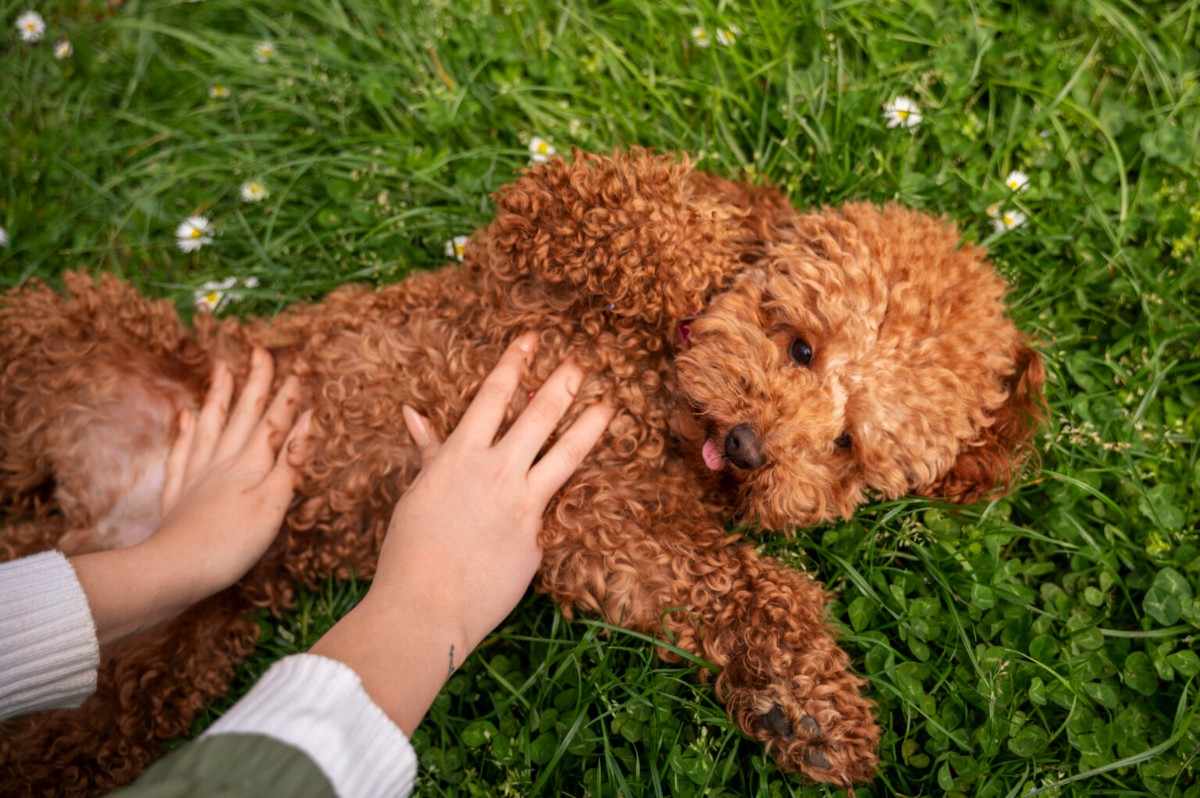
The curly coat is the closest to the Poodle side. Each curl wraps tightly around loose hair and traps dander inside the strands instead of letting it float in the air. Families with allergies usually feel the most comfortable around curly-coated Goldendoodles because the curls hold allergens better.
This coat doesn’t shed much, but it needs regular grooming. If the curls get tangled or matted, they can hold more dust and flakes, which may cause stronger reactions. When the coat is brushed, bathed, and kept healthy, many families notice their allergy symptoms drop by almost half compared to straight-coated dogs.
Wavy Coat — Medium Shedding
The wavy coat is the most common Goldendoodle look. It isn’t tight like the curly coat, but it isn’t flat like a Golden Retriever’s coat either. Shedding is moderate. You will see light hair on clothes or furniture, but nothing close to what a pure Golden Retriever sheds.
Many families with mild allergies can live comfortably with a wavy coat, especially if the dog is groomed and washed regularly. The dander still stays closer to the skin than with straight coats, so fewer particles move around the house.
Straight Coat (Golden Retriever-like) — High Shedding
The straight coat looks more like a traditional Golden Retriever. It is beautiful, soft, and fluffy, but it sheds the most. Every shake, stretch, or playtime can release loose hair and dander into the air.
People with allergies often struggle with straight-coated Goldendoodles because the allergens spread quickly in the environment. Even with cleaning and grooming, this coat type remains the least allergy-friendly. Families with moderate to strong allergies usually avoid straight coats completely.
Which Coat Type Triggers Fewer Allergies?
The curly coat is the most allergy-friendly because it traps shedding and dander inside the curls. The wavy coat falls in the middle, offering a balance of low shedding and easy maintenance. The straight coat releases the most allergens and is the hardest for sensitive families.
But it’s important to remember that shedding is not the only factor. The dog’s natural protein levels — like Can f1 and Can f2 — also play a big role. Coat type helps, but it cannot guarantee a “no-allergy” experience.
Why Puppy Coat Is Not the Same as Adult Coat
Goldendoodle puppies look soft, fluffy, and almost teddy-bear like. But this is their puppy coat, and it changes as they grow. Most puppies develop their true coat between six and ten months of age. A puppy who looks wavy may grow up with a curlier coat. A puppy with a straight, flat look may stay straight or become more textured.
Because the puppy coat is misleading, families must never choose a Goldendoodle based only on how it looks at eight weeks. The adult coat, not the puppy coat, determines shedding, grooming needs, and allergy comfort. This is why responsible breeders explain coat expectations carefully instead of giving false promises.
Goldendoodle Generations Explained (F1, F1B, F2, F2B, Multigen)
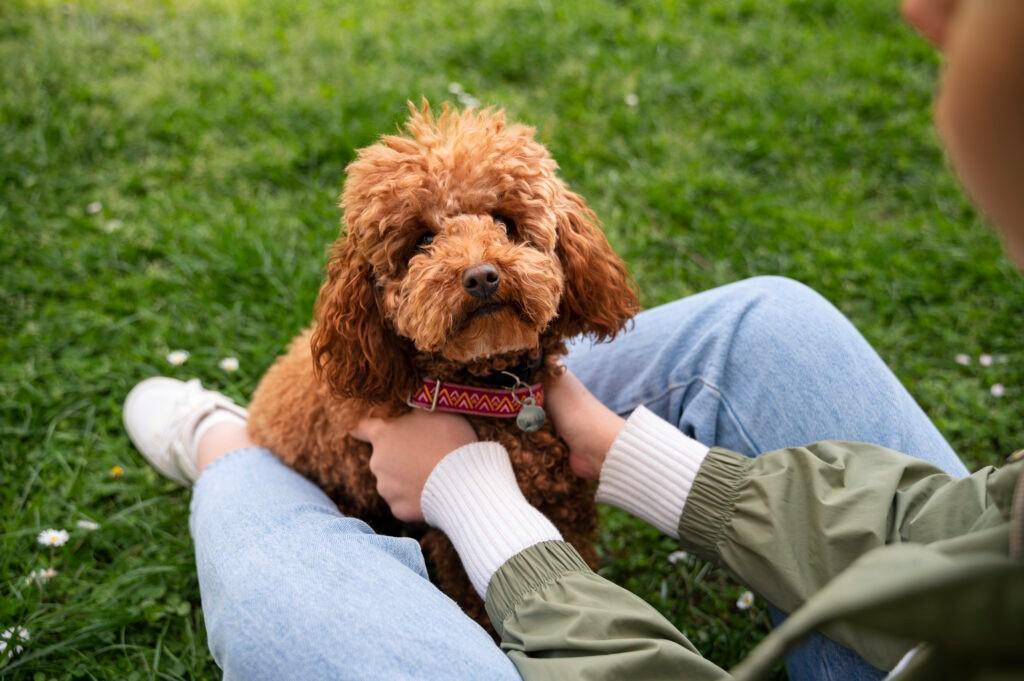
Goldendoodles are beautiful, loving dogs, but their generations can be confusing. Families often hear terms like F1, F1B, or Multigen and don’t know what they mean. These labels are important because they tell us how much Poodle is in the mix, how much the dog will shed, and how allergy-friendly it might be. A small change in genetics can make a big difference in daily comfort for people with allergies.
Understanding generations helps families choose wisely instead of guessing and hoping the dog won’t cause reactions.
What “F1” Really Means
An F1 Goldendoodle is the very first generation. It is created by breeding one pure Golden Retriever with one pure Poodle. This gives the puppy a fifty-fifty mix. Half Retriever. Half Poodle.
Because the Retriever side sheds heavily, F1 Goldendoodles may shed more than people expect. Some F1s are comfortable for mild allergy sufferers, but others release enough dander to trigger symptoms. Coat type in F1 puppies is unpredictable, and this generation offers the least control for allergy-sensitive families.
How “Backcross” Works (F1B, F1BB)
Backcrossing means breeding a Goldendoodle back to a pure Poodle. This increases the Poodle percentage and usually creates a curlier, lower-shedding coat.
An F1B is created by breeding an F1 Goldendoodle with a pure Poodle. This gives the puppy about seventy-five percent Poodle genetics. Because of this, many F1B dogs shed far less and produce fewer airborne allergens.
F1BB goes one step further. It happens when an F1B Goldendoodle is bred again to a pure Poodle. This pushes the Poodle percentage close to eighty-five to ninety percent. These dogs often have the tightest curls and the lowest shedding among early generations.
High Poodle Percentage = Fewer Allergens?
A higher Poodle percentage usually means tighter curls, lower shedding, and better control over dander. But it does not mean the dog is free of allergen proteins. Even a dog with ninety percent Poodle genetics still produces Can f1, Can f2, and other proteins.
So a higher Poodle percentage helps, but it does not create a “zero allergy” dog. It simply lowers the risk for families who are sensitive.
Which Generation Is Best for Allergy-Sensitive Owners
Families with mild allergies may be comfortable with an F1 if the coat turns out curly or thick-wavy. But families with moderate or strong allergies usually do better with F1B, F1BB, or multigenerational Goldendoodles. These dogs tend to shed less and hold dander inside their curls instead of releasing it into the air.
Multigen Goldendoodles are bred from two Goldendoodle parents. Over several generations, breeders select for low shedding, curl consistency, and stable coat patterns. Because of this careful selection, multigen puppies often offer the most predictable allergy-friendly results.
Generation vs Shedding Level vs Allergy Risk
F1 Goldendoodles shed the most because they carry half Golden Retriever genes. F1B and F1BB dogs shed far less because they have a higher percentage of Poodle. Multigenerational lines offer the most stable low-shedding traits. As shedding goes down, the risk of airborne dander decreases too.
Shedding level is not the same for every puppy, but the pattern is clear: more Poodle genes usually mean fewer allergens in the home. This is why responsible breeders guide allergy-sensitive families toward curly F1B, F1BB, or multigenerational coats.
Also Read: Are Bernese Mountain Dogs Hypoallergenic?
Are Goldendoodles Truly Hypoallergenic? The Honest Verdict
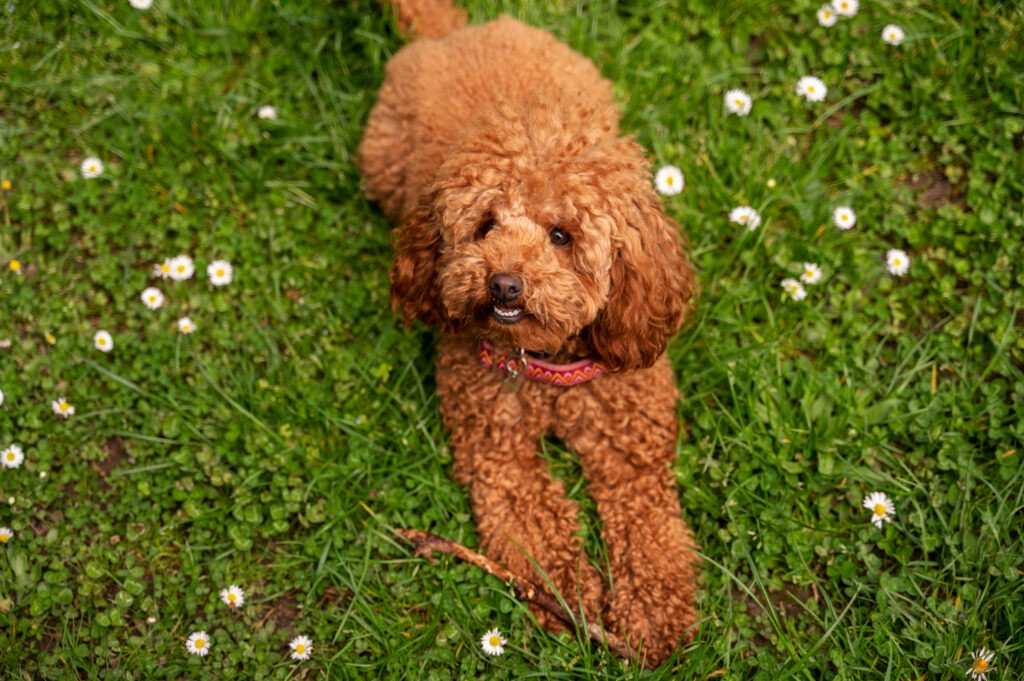
No dog is fully hypoallergenic, and that includes Goldendoodles. Allergies come from proteins in a dog’s skin flakes, saliva, and urine — not just shedding. Goldendoodles shed less, but they still produce these proteins, so they can lower allergies but cannot eliminate them.
Breeders also can’t promise a “safe” puppy because every person reacts differently. Even two puppies from the same litter can affect people in different ways.
Even curly-coat Goldendoodles, which shed the least, can still trigger reactions. The allergens are tiny and stay on the dog’s skin, mouth, toys, and furniture.
The emotional part is the hardest. Families fall in love with a Goldendoodle, but allergies sometimes force them to step back. It becomes a painful choice between health and the dog they adore.
Signs a Goldendoodle Might Not Be Right for Allergy Sufferers
Goldendoodles help many families with allergies, but they are not the right match for everyone. Some reactions come from things their coat cannot control. If you feel itching or redness right after a dog licks you, the problem is saliva—not shedding—so even a low-shedding Goldendoodle can still trigger symptoms.
People who are allergic to the Can f5 protein may also struggle. This protein, mostly from male dogs, can cause sneezing and breathing trouble even around “hypoallergenic” breeds.
You may need to reconsider a Goldendoodle if:
- You react strongly to dog saliva
- You are allergic to the Can f5 protein
- You need a completely allergen-free home
- You cannot manage regular grooming costs
Goldendoodles reduce allergens, but they cannot remove them fully. For highly sensitive families, this difference matters.
How to Test Your Allergy Before Bringing Home a Goldendoodle
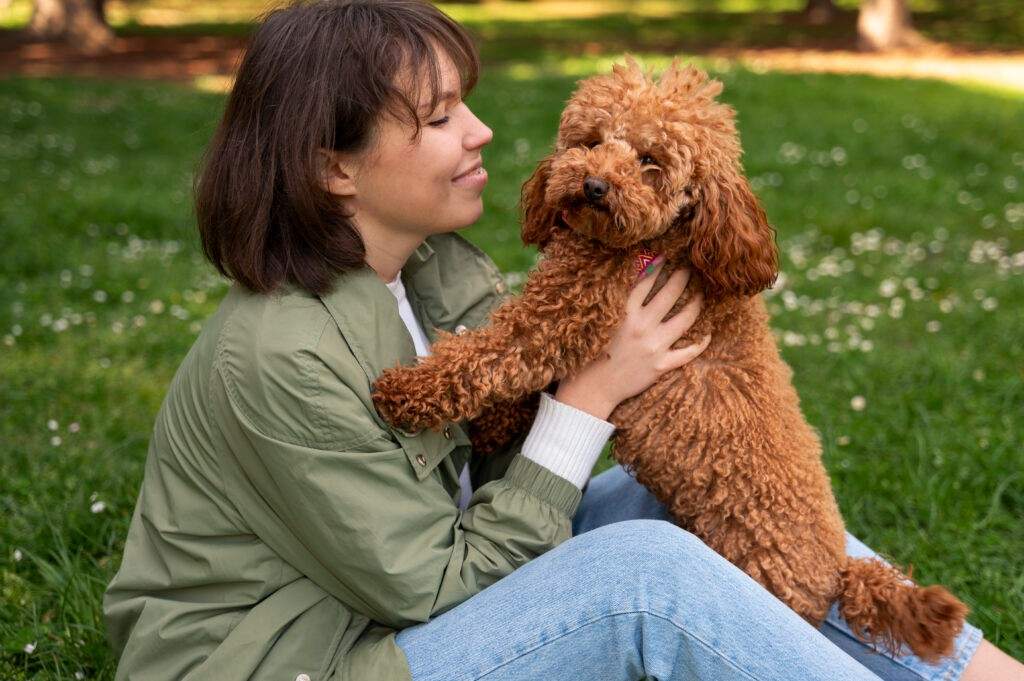
Before adopting a Goldendoodle, testing your allergy can save a lot of trouble. Here’s how to do it safely:
- Visit the breeder and meet the parent dogs – Spend time with the mother and father dogs to see how your body reacts. If you start sneezing or itching, it’s a warning.
- Spend 2–3 hours with the puppy – Short visits may not show symptoms. A few hours lets allergens settle on your skin and clothes for a more accurate test.
- Do a “T-shirt test” – Take a cloth or T-shirt that the puppy has slept on home. Keep it near your pillow or touch it several times a day to see if you react.
- Allergy clinic patch test – Doctors can test your reaction by applying small amounts of dog allergens to your skin. Useful for people with asthma or strong sensitivities.
- 7-day trial period (if allowed) – Spending a full week with the puppy gives a complete picture of how your allergies respond in real-life exposure.
These steps help you avoid surprises, protect your health, and choose the safest puppy for your family.
Allergy-Friendly Goldendoodle Grooming Routine
From my experience, keeping allergies under control with a Goldendoodle depends more on routine than on coat type alone.
I usually recommend brushing at least 3–4 times a week using a slicker brush followed by a metal comb. This helps remove loose hair and dander before it spreads around the house. For curlier coats, skipping brushing often leads to matting, which traps allergens close to the skin.
Professional grooming every 4–6 weeks works best for most Goldendoodles. Regular trims keep the coat breathable and reduce how much dander stays stuck in the fur. I have noticed that allergy symptoms often improve right after a proper grooming session.
Bathing should be done about once every 3–4 weeks with a gentle, dog-safe shampoo. Bathing too often can dry the skin and actually increase dander, which many owners don’t realize.

Allergy-Friendly Home Setup for Goldendoodle Owners
Creating an allergy-friendly home is just as important as choosing the right Goldendoodle. Small changes in your environment can make a huge difference for families with sensitive noses and eyes.
HEPA filters in your home’s ventilation system capture tiny dander particles floating in the air, helping everyone breathe easier. Portable air purifiers placed in living rooms and bedrooms further reduce allergens in the spaces where your dog spends the most time.
Vacuuming floors, carpets, and furniture several times a week with a HEPA-equipped vacuum prevents hair and dander from spreading. It’s also helpful to set up dog-free zones, such as bedrooms, so family members have safe spaces to rest without exposure.
Linens, blankets, and pillow covers should be washed weekly in hot water. Using washable couch covers or throws and steam cleaning carpets regularly also traps allergens before they settle. Choosing pet-safe, hypoallergenic cleaning sprays ensures dander is removed without irritating skin or lungs.
By combining these steps with proper grooming, your Goldendoodle can live happily in the home while allergy symptoms stay under control, making life comfortable for everyone.
Also Explore: Are Pug Dogs Hypoallergenic?
Real Life Experiences: Do People Still Get Allergies from Goldendoodles?
Many families live comfortably with Goldendoodles, especially curly or wavy coats, using regular grooming and a clean home. Studies show that about 60–70% of allergy-sensitive families report mild or no symptoms with low-shedding breeds like Goldendoodles.
However, some people still react strongly, even to these dogs. Sneezing, itchy eyes, or asthma can appear despite careful care.
In a few cases, families have had to rehome their Goldendoodles because a child’s health was at risk. These stories highlight that each dog and each person is different.
Allergy experiences vary due to protein levels, coat type, sensitivity, grooming, and home setup. This explains why one family may thrive while another struggles.
Health Problems That Can Increase Shedding or Dander
Even the most allergy-friendly Goldendoodles can shed more or produce extra dander if they face certain health issues. Key factors include:
- Skin Allergies – Reactions to food, pollen, or dust can make the skin itchy and flaky, increasing shedding and allergens.
- Yeast Infections – Affecting ears, paws, or skin folds, these infections cause irritation and extra flaking, worsening allergen spread.
- Fleas and Ticks – Even a single bite can irritate the skin, causing scratching that releases more dander into the home.
- Poor Diet – Lack of essential nutrients, vitamins, and fatty acids can weaken the coat, making hair dry, brittle, and more prone to shedding.
- Underlying Hormonal Issues – Conditions like thyroid problems or Cushing’s disease affect skin and hair growth, causing unexpected spikes in shedding.
Maintaining your Goldendoodle’s health through proper care, diet, and vet checkups keeps shedding under control and reduces allergens, making life safer and more comfortable for allergy-sensitive families.
Questions to Ask a Breeder Before Buying a Goldendoodle
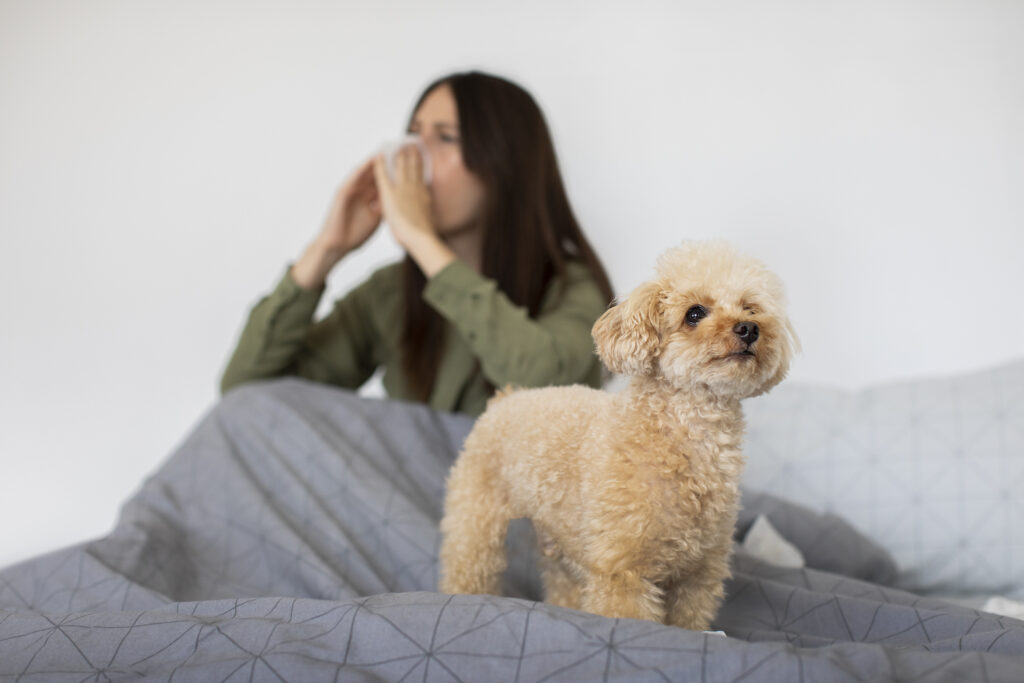
Choosing the right breeder is key for allergy-sensitive families. Ask questions to understand the puppy’s coat, shedding, and allergy risks:
- What Generation Is the Puppy? – F1, F1B, or multigen affects shedding and allergens.
- Allergy-Tested Parents? – Parents’ reactions hint at the puppy’s allergy impact.
- Can I Meet Both Parents? – See coat, temperament, and shedding firsthand.
- Coat Type Guarantee? – Breeders can explain probabilities, but cannot promise exact coat.
- Return/Trial Policies – Know if a trial period or return is allowed in case of allergies.
- Fur or T-Shirt Sample – Test allergens at home before committing.
Cost Breakdown for Allergy-Friendly Ownership
Owning a Goldendoodle as an allergy-sensitive family requires planning. Key costs include:
- Grooming: Professional grooming every 4–6 weeks can cost $80–$150 per session, plus regular at-home brushing.
- Allergy-Friendly Shampoos/Tools: Hypoallergenic shampoos, brushes, combs, and blow dryers may cost $30–$100 per month.
- HEPA Filters & Air Purifiers: A good HEPA vacuum or air purifier can range from $150–$500, depending on home size.
- Vet Costs if Allergies Occur: Visits for allergic reactions or skin issues may cost $50–$200 per visit, not including medications.
- Comparing With Other Low-Shedding Breeds: Smaller breeds like Maltipoos or Yorkies may have slightly lower grooming costs, but Goldendoodles offer a bigger, more active, and social companion.
FAQs About Goldendoodles and Allergies
1. Are Goldendoodles fully hypoallergenic?
No dog is 100% hypoallergenic. Goldendoodles shed less than many breeds, but they still produce proteins in saliva, skin flakes, and urine that can trigger allergies.
2. Which Goldendoodle sheds the least?
Curly-coat Goldendoodles, especially F1B or multigen with high Poodle percentage, shed the least and are generally better for allergy-sensitive families.
3. Do mini Goldendoodles shed less?
Mini Goldendoodles may shed slightly less due to their smaller size, but coat type matters more than size for allergy control.
4. Do straight-coat Goldendoodles cause allergies?
Yes. Straight, Golden Retriever-like coats shed more and release more allergens, making reactions more likely.
5. Are Goldendoodle puppies hypoallergenic?
Puppies produce allergens too. Low-shedding coats help, but sensitivity varies from person to person.
6. Does grooming reduce allergies?
Regular brushing, bathing, and professional grooming reduce loose hair and dander, helping minimize allergic reactions.
7. Can I live with a Goldendoodle if I’m allergic to dogs?
Many allergy-sensitive people manage well with curly or wavy Goldendoodles, proper grooming, and an allergy-friendly home setup. Severe allergies may still pose challenges.
8. How do Goldendoodle generations affect allergens?
F1B, F2B, and multigen Goldendoodles with higher Poodle genetics tend to produce fewer allergens than F1 Goldendoodles.
9. Can shaving a Goldendoodle reduce allergies?
No. Shaving does not remove allergens because proteins are in skin and saliva, not just hair.
10. How can I test for allergies before adopting?
Visit the breeder, meet the parents and puppy, do a T-shirt test, or consult an allergy clinic for patch tests.
11. What home setup helps reduce allergens?
HEPA filters, air purifiers, regular vacuuming, dog-free zones, and washable covers for furniture and bedding help minimize allergen exposure.
12. Do Goldendoodles cause asthma attacks?
Allergens can trigger asthma in sensitive individuals. Choosing a curly-coat, maintaining grooming, and using an allergy-friendly home setup can reduce risk.
13. How much does allergy-friendly ownership cost?
Professional grooming, hypoallergenic shampoos, HEPA filters, and occasional vet visits can cost $100–$300+ per month.
14. Are smaller low-shedding breeds safer than Goldendoodles?
Breeds like Maltipoos, Yorkies, or Shih Tzus may produce fewer allergens due to size, but Goldendoodles offer more social and active companionship.
15. Why do some people still react to Goldendoodles?
Allergy reactions depend on individual sensitivity, protein levels, coat type, grooming, and home environment, so experiences differ widely.