
If you love dogs but struggle with allergies, choosing the right breed can feel stressful. Wiener dogs—also called dachshunds—are cute, loyal, and full of personality. But before you fall in love with those short legs and long bodies, there’s one important question to answer honestly: are wiener dogs hypoallergenic?
Let’s break it down clearly, simply, and truthfully—so you can protect your health and your heart.
Are Wiener Dogs Hypoallergenic?
No, wiener dogs are not hypoallergenic.
Dachshunds shed, produce dander, and spread allergen proteins through close contact. While some people with mild allergies may tolerate them, they are not considered allergy-friendly dogs.
This is important to know before bringing one home.
Why Wiener Dogs Trigger Allergies
Dander and Skin Flakes
Dachshunds produce dander just like other dogs. These tiny flakes float in the air and land on furniture, clothes, and bedding. According to allergy specialists, dander is the main cause of dog allergies—not fur.
Shedding and Allergen Spread
Even short-haired dachshunds shed year-round. Shedding spreads allergen particles throughout the house, especially on sofas and carpets.
Saliva and Close Contact
Dachshunds are affectionate and love being close to their owners. When they lick hands or faces, allergen proteins from saliva transfer directly to skin, which can trigger sneezing, itching, or watery eyes.
Also Read: Are Shar Pei Dogs Hypoallergenic?

Do Different Dachshund Coat Types Affect Allergies?
All dachshunds can cause allergies, but coat type does make a difference.
Smooth-Coated Dachshunds
- Moderately shed.
- Short hair spreads dander easily
- Lower grooming needs
- Still risky for allergy sufferers
Long-Haired Dachshunds
- Sheds more than other types
- Hair traps allergens and spreads them indoors
- Needs frequent brushing
- Worst option for allergies
Wire-Haired Dachshunds
- Often believed to be “better for allergies”
- Still produce dander and saliva proteins
- Slightly less shedding, but not hypoallergenic
Dachshund Coat Comparison Table
| Coat Type | Shedding Level | Allergy Risk | Grooming Needs |
| Smooth | Moderate | Moderate | Low |
| Long-Haired | High | High | High |
| Wire-Haired | Moderate-High | Moderate-High | Medium |

Are Wiener Dog Mixes Hypoallergenic?
Many breeders advertise “hypoallergenic dachshund mixes,” but this is misleading.
Mixing a dachshund with a poodle or terrier does not guarantee lower allergy risk. Allergy traits depend on genetics, and puppies can inherit shedding and dander traits from either parent.
Common Mixes People Ask About
- Doxiepoo (Dachshund + Poodle)
- Dachshund + Terrier
- Dachshund + Schnauzer
Some individuals may shed less, but there is no truly hypoallergenic dachshund mix.
Can Allergy Sufferers Live With a Wiener Dog?
For some people with very mild allergies, living with a dachshund may be manageable. For others, symptoms can worsen over time.
Your reaction depends on:
- Allergy severity
- Time spent indoors with the dog
- Cleaning habits
- Home ventilation
People with asthma or strong dog allergies should be extra careful.

How to Reduce Allergy Symptoms If You Own a Wiener Dogs
Here’s my personal recommendation for you:
Step 1: Grooming and Bathing Your Dachshund Properly
Regular grooming is one of the most effective ways to reduce allergy triggers.
Step 1.1: Brush Your Dachshund 2–3 Times Per Week
- Use a soft-bristle brush for smooth coats and a slicker brush for long or wire coats
- Brush outdoors or in a well-ventilated area
- Brushing removes loose hair and dander before it spreads inside your home
- Focus on the back, belly, and neck, where dander builds up most
Why this helps:
Less loose hair means fewer allergen particles floating in the air or sticking to furniture.
Step 1.2: Bathe Your Dachshund Every 3–4 Weeks
- Use lukewarm water, never hot
- Wet the coat fully before applying shampoo
- Massage gently to avoid skin irritation
- Rinse thoroughly—leftover shampoo can worsen dander
Bathing too often can dry the skin, which increases flaking and allergy symptoms.
Step 1.3: Use Gentle, Vet-Approved Shampoos
- Choose hypoallergenic or oatmeal-based shampoos
- Avoid strong fragrances and human shampoos
- Ask your veterinarian for allergy-safe product recommendations
Fact: Dry, irritated skin produces more dander, not less.
Step 2: Control Allergens Inside Your Home
Your home environment plays a huge role in allergy control.
Step 2.1: Use HEPA Air Purifiers
- Place air purifiers in bedrooms and living areas
- HEPA filters capture tiny allergen particles
- Run them daily, especially during shedding seasons
Studies show HEPA filters can reduce airborne allergens by up to 50%.
Step 2.2: Wash Dog Beds and Blankets Weekly
- Use hot water to break down allergen proteins
- Choose washable dog beds with removable covers
- Dry completely before reuse
Dog beds are one of the largest sources of trapped dander in a home.
Step 2.3: Vacuum Carpets and Furniture Often
- Vacuum at least 2–3 times per week
- Use a vacuum with a HEPA filter
- Pay special attention to couches, rugs, and corners
If possible, reduce carpets and choose hard flooring.
Step 2.4: Keep Dachshunds Off Beds and Pillows
- Make the bedroom an allergy-safe zone
- Use baby gates or closed doors if needed
- Provide a comfortable dog bed outside sleeping areas
Sleeping with a dog increases allergen exposure for 6–8 hours straight.
Step 3: Protect Yourself From Direct Allergen Contact
Your personal habits matter just as much as grooming and cleaning.
Step 3.1: Wash Hands After Petting
- Wash with soap and warm water
- Especially before touching your face or eyes
- Keep hand wipes nearby for quick cleaning
Step 3.2: Avoid Face Licking
- Train your dachshund early to avoid licking
- Saliva contains strong allergen proteins
- Even one lick can trigger itching or sneezing
Step 3.3: Change Clothes After Long Playtime
- Allergens stick to fabric easily
- Change clothes after cuddling or play
- Wash worn clothes regularly
Keeping a “home outfit” and “outside outfit” can help reduce spread.

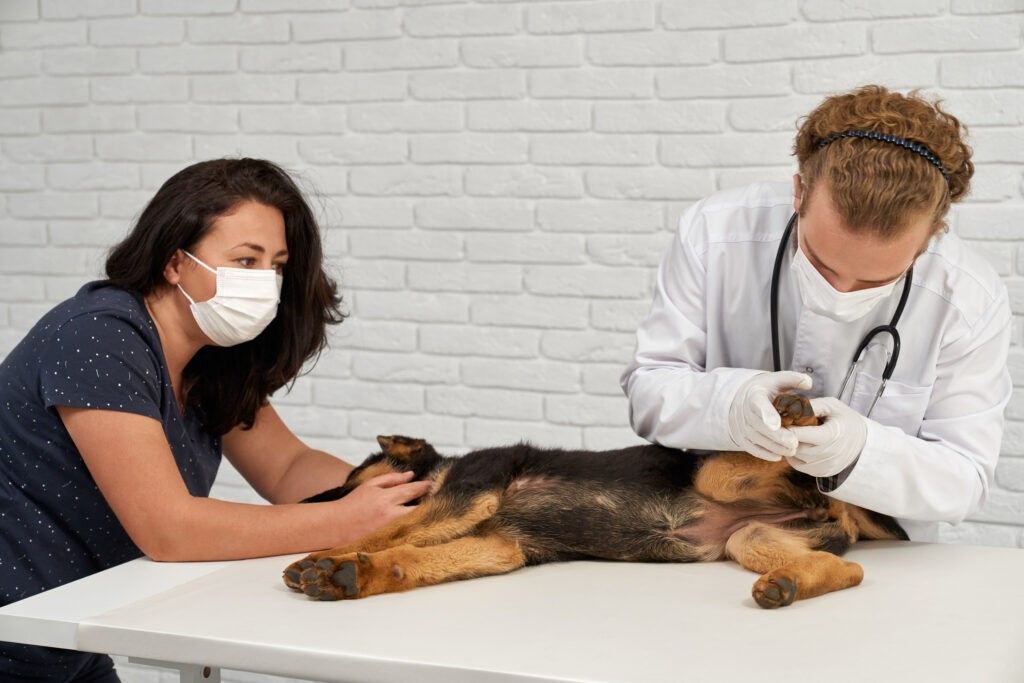
How to Test If You’re Allergic Before Adopting
Before adopting a dachshund, try this:
- Spend time indoors with one
- Visit a breeder or shelter more than once
- Offer to foster short-term
- Watch for symptoms within 24–48 hours
Doctors also recommend allergy testing if symptoms are unclear.
Best Hypoallergenic Alternatives to Wiener Dogs
If allergies are a concern, consider breeds known to produce fewer allergens:
- Miniature Poodle – Low shedding, smart, allergy-friendly
- Bichon Frise – Soft coat, minimal dander
- Maltese – Small, gentle, low shedding
- Shih Tzu – Not hypoallergenic, but sheds less than dachshunds
Each breed still requires testing for personal sensitivity.
What Vets and Allergy Experts Say
Veterinarians agree:
- No dog is fully hypoallergenic
- Allergies are caused by proteins, not fur length
- Management matters more than breed labels
Experts advise choosing based on health needs first, emotions second.
Pros and Cons of Wiener Dogs for Allergy Sufferers
Pros
- Small size
- Strong emotional bond
- Loving and loyal nature
Cons
- Not hypoallergenic
- Produce dander and saliva allergens
- Close contact increases exposure
Frequently Asked Questions
Are wire-haired dachshunds hypoallergenic?
No. They may shed slightly less, but they still produce allergen proteins.
Do dachshunds shed a lot?
Yes. All dachshunds shed year-round, especially long-haired types.
Can grooming make dachshunds allergy-friendly?
Grooming helps reduce allergens but does not eliminate them.
Is there a truly hypoallergenic dachshund?
No. There is no pure or mixed dachshund that is fully hypoallergenic.
Are wiener dogs better for allergies than large dogs?
Not necessarily. Allergic reactions depend on proteins, not dog size.
Final Verdict: Should Allergy Sufferers Get a Wiener Dog?
Wiener dogs are loving companions—but they are not a safe choice for most allergy sufferers. If your allergies are mild and well-controlled, careful management may help. If your allergies are strong, choosing a lower-allergen breed is the safer path.
The right dog should bring comfort—not constant sneezing.