
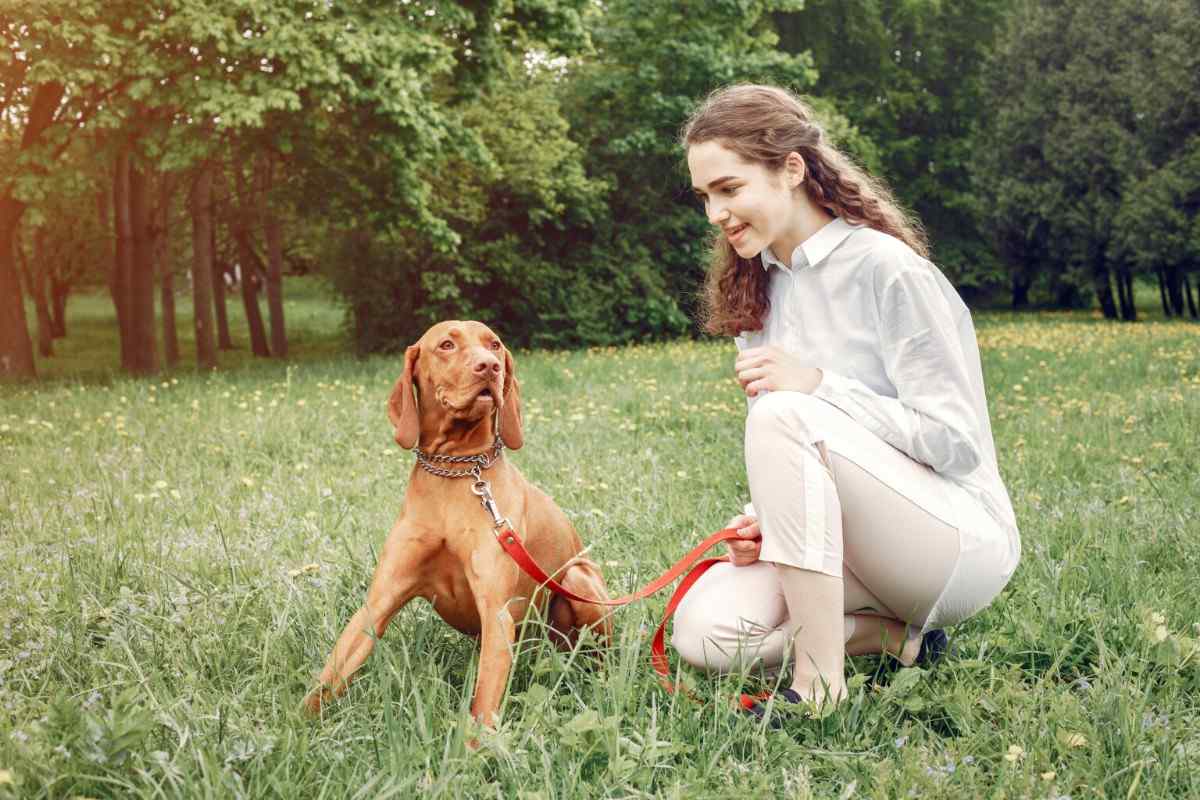
I know how hopeful this question sounds: are Vizsla dogs hypoallergenic?
When you’re dealing with allergies but still dream of having a dog, a sleek, short-haired breed like the Vizsla feels like the perfect answer.
I’ve seen so much mixed advice online. Some sites quietly place Vizslas near hypoallergenic dog breeds, while others warn allergy sufferers to stay away. Then there are real owners sharing totally opposite stories about vizsla allergies. No wonder pet parents feel stuck and confused.
So here’s my promise: I’ll give you a clear, honest, science-based answer—without hype, without fear, and in plain words—so you can decide if a Vizsla truly fits your life and your health.
Are Vizsla Dogs Hypoallergenic?
Short answer: No.
I want to be very clear here—Vizslas are not hypoallergenic dogs. I know their smooth coat makes people hopeful, but hope and biology aren’t the same thing.
Here’s the longer, honest explanation. Vizslas still produce dander, which is one of the main triggers behind vizsla dog allergies. Those tiny skin flakes spread easily around the home, especially when the dog runs, plays, or curls up on furniture. On top of that, Vizslas also produce allergenic proteins in their saliva. If your Vizsla licks your hands, face, or even their own fur, those allergens get transferred fast.
Why Vizslas Are Often Mistaken as Hypoallergenic
I see this misunderstanding all the time, and honestly, it makes sense at first glance. The vizsla coat type looks nothing like what most people picture when they think of allergy-triggering dogs.
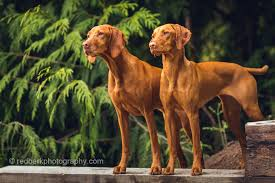
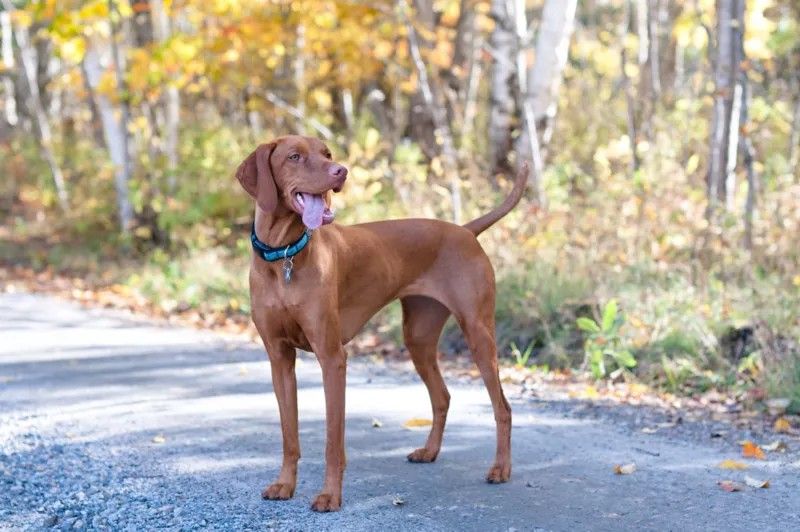
Vizslas have a short, sleek coat that lies flat against the body. There’s no thick undercoat, which means you won’t see big clumps of fur on your couch or clothes. When people ask, do Vizslas shed? the honest answer is yes—but it’s light, fine shedding that’s easy to miss. That’s why Vizslas often get labeled as low shedding dogs.
In short: less shedding does not mean hypoallergenic. Even dogs that barely shed still release dander and saliva proteins—the real causes of allergies. Vizslas may drop less hair, but the allergens are still very much there.
Vizsla Coat, Shedding, and Dander Explained
As a dog care expert, I always start with the coat, because that’s where most allergy myths begin. Vizslas are a single-coat breed, which means they don’t have a fluffy underlayer to trap loose hair or allergens. Their coat is short, fine, and lies close to the skin.
When people ask about vizsla shedding level, I describe it as light but constant. Vizslas shed small amounts all year round, not just during seasonal changes. You may not notice piles of hair, but those tiny hairs carry vizsla dander with them wherever your dog goes.
Movement makes this worse. Vizslas are active, athletic dogs. When they run, play, or even shake after a walk, dander becomes airborne and settles on furniture, bedding, and clothes. This is why exercise-heavy breeds can feel harder on allergies, even with short coats.
Saliva is another overlooked issue. Vizslas are affectionate and love to lick. When saliva dries on the coat, couch, or your hands, allergenic proteins stay behind. This is a major reason vizsla grooming allergies still happen, even in very clean homes.
So while the Vizsla’s coat looks allergy-friendly, the combination of constant light shedding, airborne dander, and saliva transfer explains why this breed is not allergy-safe for many people.
Vizsla vs Truly Hypoallergenic Dog Breeds
This is where things become much clearer. I’ve found that many allergy sufferers don’t actually need another opinion—they need a side-by-side comparison. Once you look at Vizslas next to truly hypoallergenic breeds, the difference is obvious.
Below is a simple hypoallergenic dog breeds comparison based on coat type, shedding, and allergy risk.
| Dog Breed | Hypoallergenic? | Coat Type | Shedding Level | Allergy Risk |
| Poodle | Yes | Curly, hair-like coat | Very low | Low |
| Bichon Frise | Yes | Dense, curly coat | Very low | Low |
| Portuguese Water Dog | Yes | Wavy/curly coat | Low | Low |
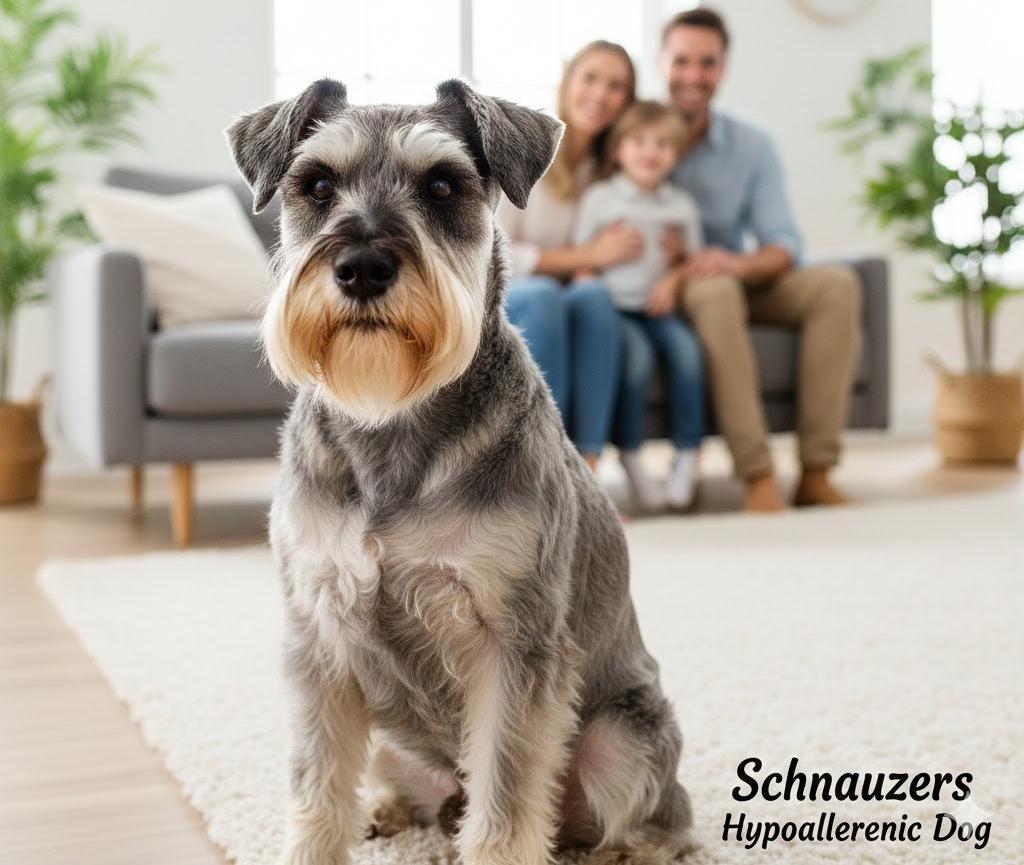
| Schnauzer | Yes | Wiry coat | Low | Low |
| Vizsla | No | Short, single coat | Light but constant | Moderate |
Can People With Dog Allergies Live With a Vizsla?
This is the question I get most often from people who fall in love with the breed: Can I live with a Vizsla if I have allergies? The honest answer depends a lot on your allergy severity and how sensitive you are to vizsla allergy sufferers.
For people with mild allergies, it’s sometimes possible to live with a Vizsla. Some owners report occasional sneezing or itchy eyes, but with careful grooming and cleaning, their symptoms stay manageable.
If your allergies are moderate to severe, a Vizsla can be much more challenging. Because of their constant light shedding and saliva allergens, reactions can include hives, congestion, or persistent sneezing.
Here’s what I always recommend before bringing a Vizsla home:
- Allergy testing before adoption – visit an allergist to see how you react to dog dander specifically.
- Spend time with a Vizsla first – ideally several hours in different settings to gauge your reaction in real life.
Every person’s sensitivity is different. Some living with a Vizsla allergies experience minimal issues, while others may find it unbearable. Testing ahead of time is the only way to know for sure.
Real-World Experiences (Allergy Sufferers & Vizslas)
From my experience talking to Vizsla owners and allergy sufferers, the reality is mixed—and it’s important to be honest about it.
Some people tolerate Vizslas surprisingly well. They enjoy the breed’s playful energy, loyalty, and low shedding without major allergy issues. For these owners, symptoms are mild—maybe occasional sniffles or itchy eyes.
But others aren’t so lucky. Common reactions include:
- Sneezing after petting or cuddling
- Itchy, watery eyes
- Hives, especially after prolonged contact or licking (I’ve seen cases similar to ones reported on forums like JustAnswer)
Also Read: Are Brittany Dogs Hypoallergenic?
How to Reduce Allergy Symptoms If You Own a Vizsla
If you’ve decided a Vizsla is right for you despite mild allergies, there are several practical steps I follow with my own dogs to make life easier. These aren’t just tips—they’re what actually works for real owners.
Grooming Frequency
I brush my Vizsla at least 2–3 times a week. Brushing removes loose hair and dander before it spreads through the house. Using a rubber curry brush works best for their short coat. Regular grooming is one of the most effective ways to reduce dog allergies at home.
Weekly Bathing (Safe Limits)
Bathing helps control dander, but don’t overdo it. I bathe my Vizsla once a week or every 10 days with a gentle dog shampoo. Over-bathing can dry out their skin, which can actually increase dander production.
HEPA Air Purifiers
I place HEPA air purifiers in high-traffic areas and bedrooms. They catch airborne allergens and make a noticeable difference for anyone sensitive to vizsla grooming for allergies.
Cleaning Fabrics & Bedding
Wash dog bedding, blankets, and couch covers weekly. I also vacuum carpets and upholstery with a HEPA-filter vacuum. This keeps dander levels lower in your living space.
No-Lick Rules
I train my Vizsla not to lick hands, face, or furniture. Even a little saliva can transfer allergens and trigger reactions. This small rule makes a big difference for allergy tips for dog owners.
Bedroom-Free Zones
I keep my bedroom dog-free. Even mild allergens can disturb sleep, and having a clean allergen-free zone helps your body recover overnight.
Is a Vizsla a Good Choice for Severe Dog Allergies?
I need to be honest with you: if you have severe dog allergies, a Vizsla is not a safe choice. ❌ Their constant light shedding, dander, and saliva allergens can trigger strong reactions—sneezing, itchy eyes, hives, or worse. Even with strict grooming and air purifiers, severe allergy sufferers often struggle.
If your allergies are serious, it’s much safer to choose breeds that are truly hypoallergenic. ✔ Some of the best dogs for severe allergies include:
- Poodle (toy, miniature, or standard) – very low dander, curly coat traps allergens
- Bichon Frise – soft, dense coat that sheds minimally
- Schnauzer – wiry coat, low allergen spread
- Portuguese Water Dog – curly, low-shedding coat
These breeds are consistently recommended for people seeking dogs safe for allergy sufferers. A Vizsla may be lovable, active, and affectionate—but when allergies are severe, I always advise choosing a breed that will truly keep you healthy.
Frequently Asked Questions
Q1: Do Vizslas shed a lot?
A: Vizslas have light, year-round shedding. They don’t leave large clumps of hair like long-haired breeds, but their fine hair and dander are still enough to trigger allergies in sensitive individuals.
Q2: Can Vizslas cause hives?
A: Yes, they can. If you are allergic, contact with their saliva or dander can trigger hives, sneezing, or itchy eyes. I’ve seen cases where owners had mild reactions at first, which became stronger over time.
Q3: Are male or female Vizslas better for allergies?
A: There’s no significant difference. Both sexes produce similar amounts of dander and saliva allergens. What matters more is your personal sensitivity and grooming practices.
Q4: How often should I bathe a Vizsla if I have allergies?
A: I recommend once a week or every 10 days with a gentle dog shampoo. Bathing too often can dry their skin and actually increase dander production, making allergies worse.
Q5: Are Vizsla puppies hypoallergenic?
A: No. Even puppies produce dander and saliva proteins, though their tiny size may produce less allergen initially. Symptoms often increase as they grow and shed more.
Q6: What are the negatives of Vizslas?
A: Vizslas are highly active, need daily exercise, can be prone to separation anxiety, and are not suitable for severe allergy sufferers. They also require regular grooming to manage dander and light shedding.
Q7: Which dog is 100% hypoallergenic?
A: No dog is truly 100% hypoallergenic. Some breeds like Poodles, Bichon Frise, and Schnauzers are much safer for allergy sufferers, but all dogs produce some allergens.
Q8: Are Vizslas the most affectionate dogs?
A: Vizslas are incredibly affectionate and loyal—they love cuddling, following you around, and bonding deeply. But if allergies interfere, even their affection may become a challenge.