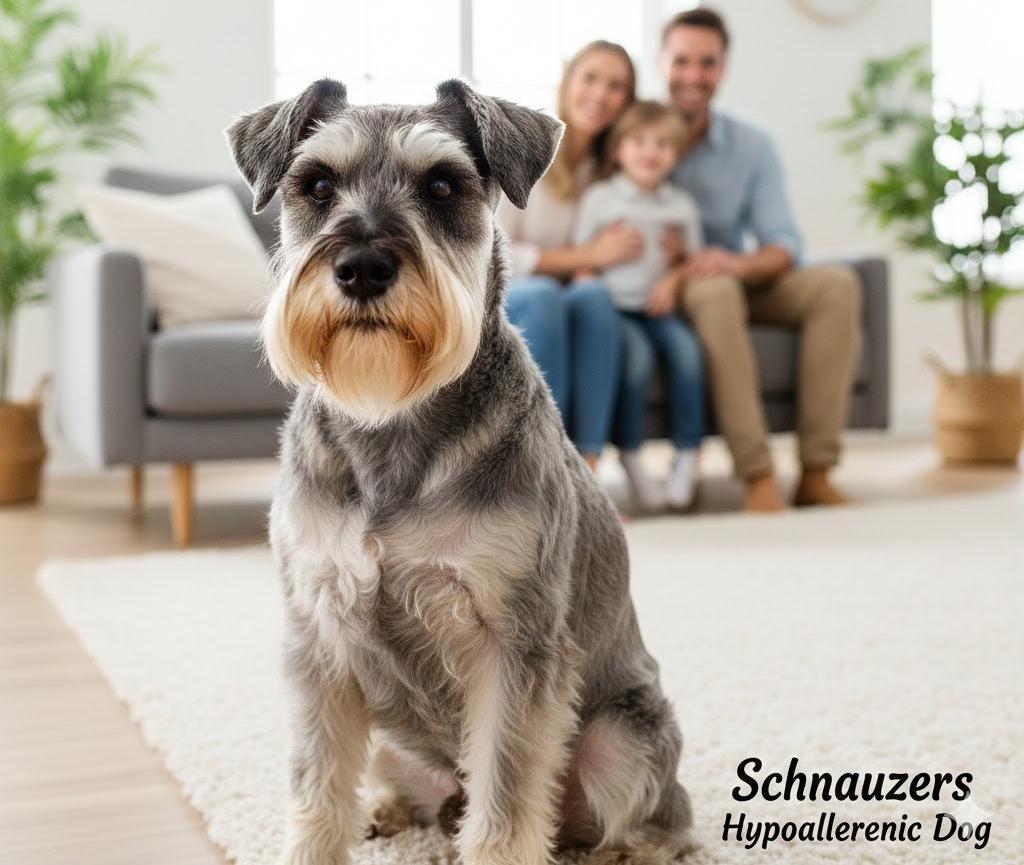

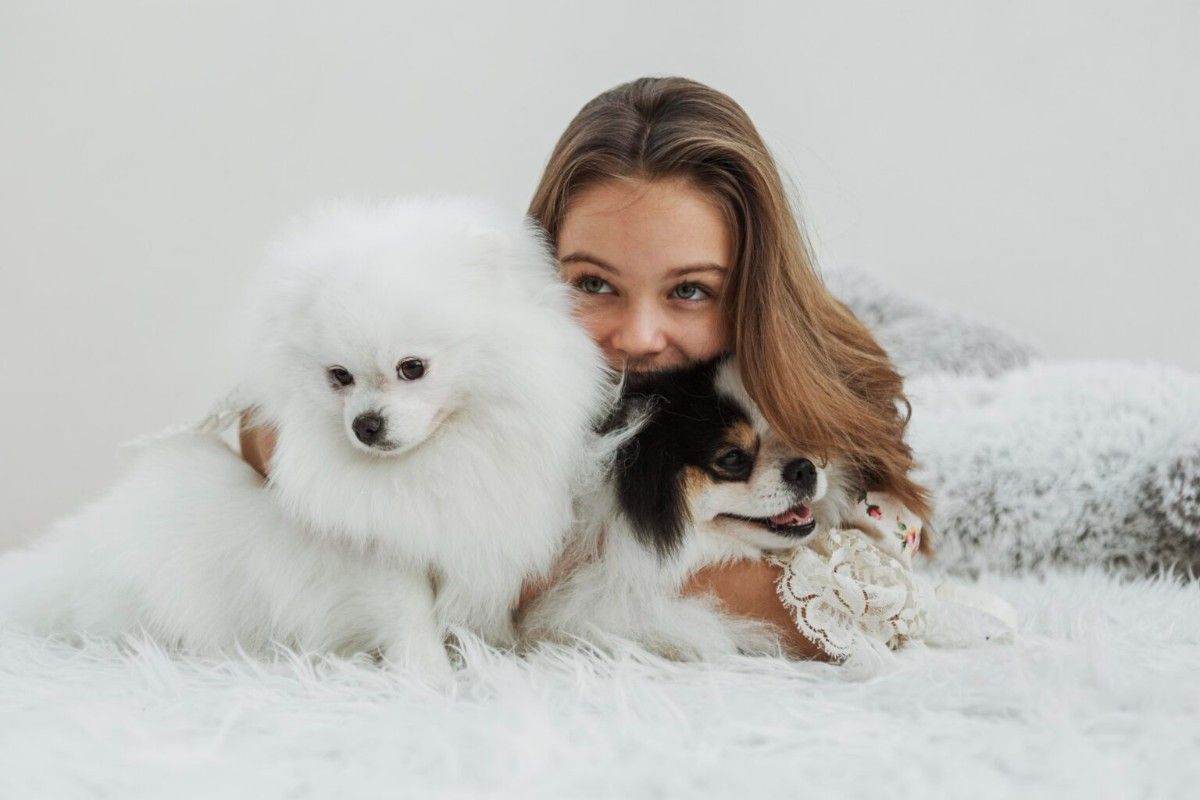
If you’re wondering, “Are teddy bear dogs hypoallergenic?” the short answer is: No dog is completely hypoallergenic, including teddy bear dogs. However, certain teddy bear mixes—like Maltipoos, Bichon Poos, and Shih-Poos—tend to shed less and produce fewer allergens, making them more suitable for people with mild allergies. Even so, allergic reactions can still occur, depending on individual sensitivity.
In this guide, we’ll break down why teddy bear dogs are considered hypoallergenic by some, what “hypoallergenic” really means, and practical tips for living safely with these adorable companions.
What Are Teddy Bear Dogs?
Teddy bear dogs are designer mixes, bred for their small size, soft coat, and affectionate nature. They are not a recognized pure breed but blends of two breeds aimed at creating a toy-like appearance and gentle temperament. Common teddy bear mixes include:
- Maltipoo (Maltese + Poodle): Weighs 5–20 lbs, lifespan 12–15 years
- Shih-Poo (Shih Tzu + Poodle): Weighs 6–18 lbs, lifespan 10–16 years
- Bichon Poo (Bichon Frise + Poodle): Weighs 10–25 lbs, lifespan 12–15 years
- Cavapoo (Cavalier King Charles + Poodle): Weighs 12–25 lbs, lifespan 10–15 years
These dogs are popular for their cuddly appearance, playful behavior, and ability to adapt to apartment living.

Why Teddy Bear Dogs Are Considered Hypoallergenic
Teddy bear dogs are often marketed as hypoallergenic for several reasons:
- Curly or wavy coats: These trap loose hair and dander, reducing spread in the environment.
- Low shedding: Less hair shedding translates to fewer allergens floating around the home.
- Small size: Smaller dogs produce less overall dander compared to larger breeds.
Despite these advantages, allergic reactions can still occur, depending on personal sensitivity.

Scientific Insights & Expert Opinions
Veterinarians and allergists agree that while teddy bear dogs can be better tolerated, allergic reactions remain possible. Research highlights:
- 10–15% of allergy sufferers report fewer symptoms around Poodle mixes.
- Saliva and dander proteins remain present, even in low-shedding breeds.
- Environmental controls like grooming, air filters, and cleaning significantly reduce allergic reactions.
Dr. Emily Carter, a certified veterinarian, states:
“Teddy bear dogs may be easier for people with mild allergies. The key to reducing reactions is grooming, bathing, and keeping your home free from allergens.”
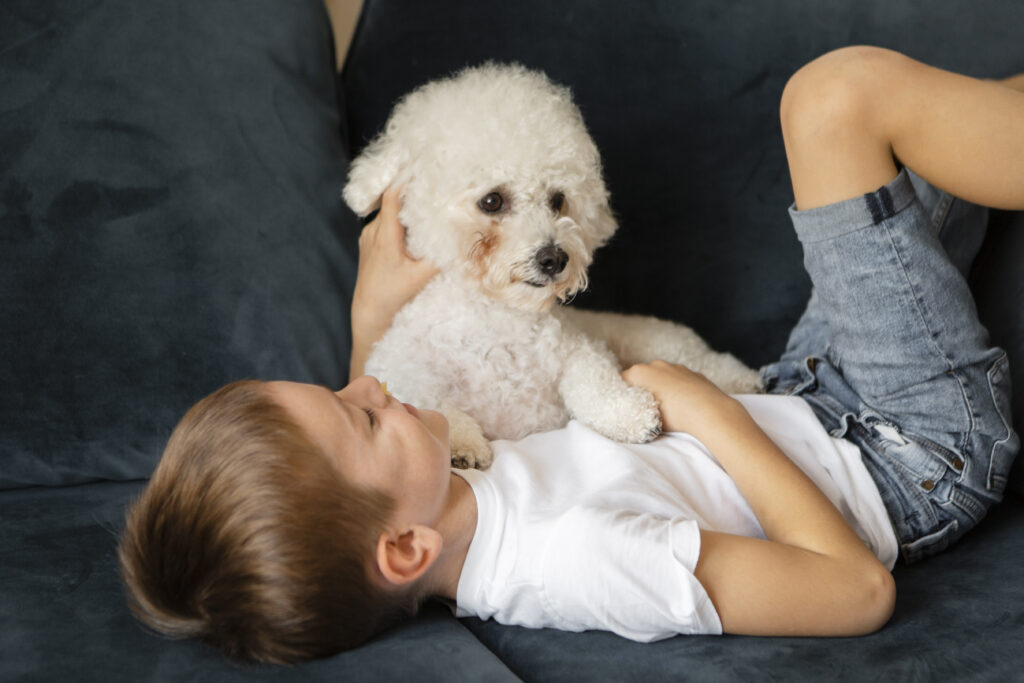
Teddy Bear Dog Breeds and Allergy Potential
| Breed | Average Weight | Shedding Level | Coat Type | Allergy Potential |
| Maltipoo | 5–20 lbs | Low | Curly | Low |
| Shih-Poo | 6–18 lbs | Low-Medium | Wavy | Moderate |
| Bichon Poo | 10–25 lbs | Low | Curly | Low |
| Cavapoo | 12–25 lbs | Low-Medium | Wavy | Moderate |
Figure: Studies show that proper grooming can reduce allergen exposure by up to 50%, even for sensitive individuals.
Signs You Might Be Allergic to Teddy Bear Dogs
Allergy symptoms can develop quickly or over time. Typical signs include sneezing, itchy or watery eyes, congestion, skin rashes, coughing, or even shortness of breath. Recognizing these early is important for managing exposure and deciding if a dog is suitable for your home.

How to Reduce Allergic Reactions
- Groom your dog daily to remove loose hair and dander
- Bathe your dog every 3–4 weeks to reduce allergens
- Use HEPA air filters in bedrooms and living areas
- Wash bedding, toys, and blankets frequently
- Limit your dog’s access to bedrooms or sensitive areas
Following these steps can cut allergy symptoms in half and make living with a teddy bear dog feasible for mild allergy sufferers.
Also read: Are Blue Heeler Dogs Hypoallergenic?
Are Teddy Bear Dogs Right for Allergy Sufferers?
Teddy bear dogs may be suitable for those with mild allergies, particularly breeds with curly, low-shedding coats like Maltipoos and Bichon Poos. Severe allergy sufferers may still experience reactions. To ensure success:
- Spend time with the dog before adoption to test your reactions
- Consult an allergist for professional advice
- Maintain strict grooming and cleaning routines at home
Real Owner Experiences
Many families report that teddy bear dogs are manageable for allergy sufferers when consistent care is practiced. Grooming, bathing, and maintaining clean living spaces are essential.
Some owners note mild reactions, emphasizing the importance of personal testing before bringing a dog home.
Frequently Asked Questions
Q1: Can allergic people own teddy bear dogs?
Mild allergy sufferers often can, but reactions vary depending on individual sensitivity.
Q2: Do teddy bear dogs really shed less?
Yes, particularly curly-coated breeds like Maltipoos and Bichon Poos, though dander is still present.
Q3: Which teddy bear mix is most allergy-friendly?
Maltipoos and Bichon Poos are typically easier to tolerate for allergy sufferers.
Q4: Why do some people still get allergies with “hypoallergenic” dogs?
Hypoallergenic does not mean allergen-free. Saliva and skin proteins can still trigger symptoms.
Q5: How can I reduce allergic reactions at home?
Regular grooming, bathing, HEPA filters, and limiting bedroom access significantly help reduce allergens.
Conclusion
Teddy bear dogs are adorable, affectionate, and often manageable for mild allergy sufferers, but they are not completely hypoallergenic. Success depends on choosing the right breed, grooming regularly, cleaning your home, and testing your personal tolerance. With proper care and preparation, teddy bear dogs can bring love, companionship, and joy to allergy-prone families, making them a perfect addition to your home.