
There’s no denying it — pit bulls are loyal, goofy, and full of heart. Their wide smiles and wagging tails melt even the toughest souls. But for people who start sneezing, itching, or feeling congested around dogs, one question often arises:
“Are pit bulls hypoallergenic dogs?”
The short answer is no — pit bulls are not hypoallergenic dogs. But the full story is more interesting than that. Understanding why they cause allergies and how to manage them can help you enjoy life with your furry friend without the discomfort.
A 2019 study by the American College of Allergy, Asthma & Immunology found that up to 15% of the population is allergic to dogs — and allergen levels vary within the same breed. That means even two pit bulls from one litter can produce different amounts of allergens.
Also Read: Are Boxer Dogs Hypoallergenic?
Pit Bulls and Allergens — The Facts
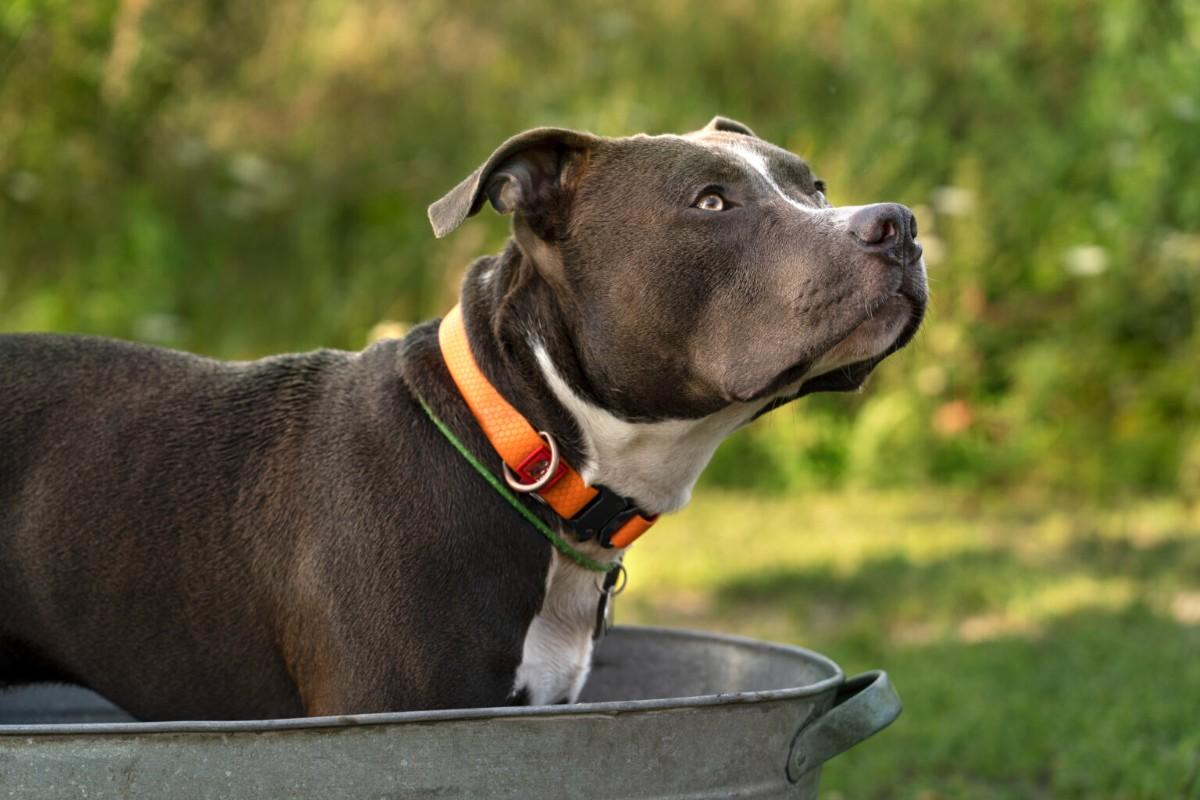
“Pit bull” isn’t one single breed. It’s a group of dogs that includes:
- American Pit Bull Terrier
- American Staffordshire Terrier
- Staffordshire Bull Terrier
- American Bully
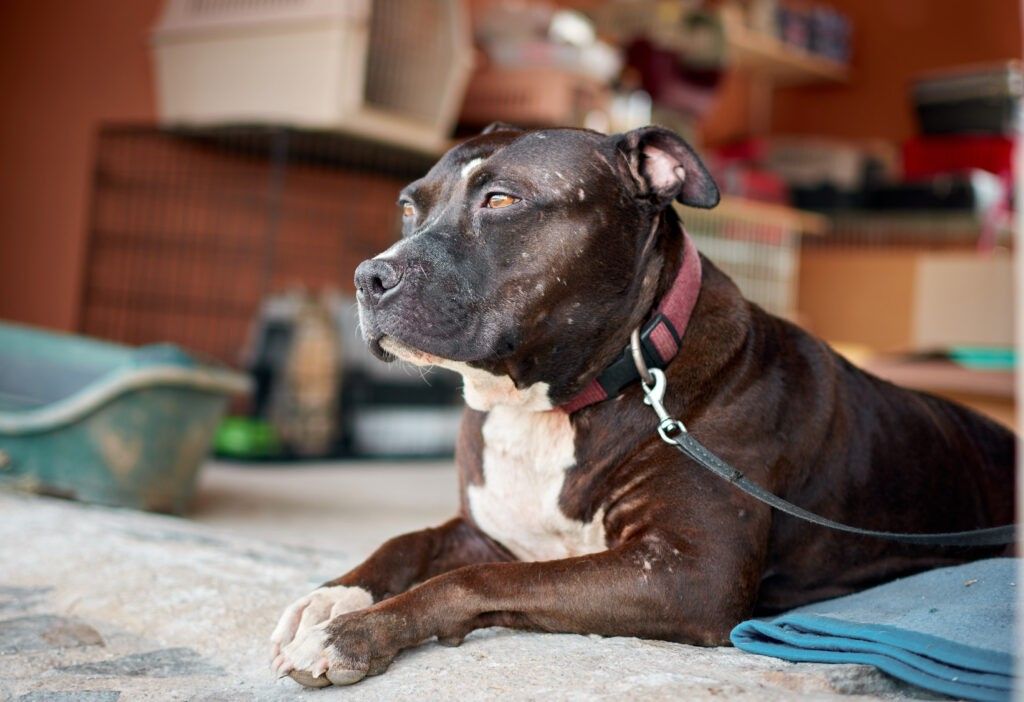
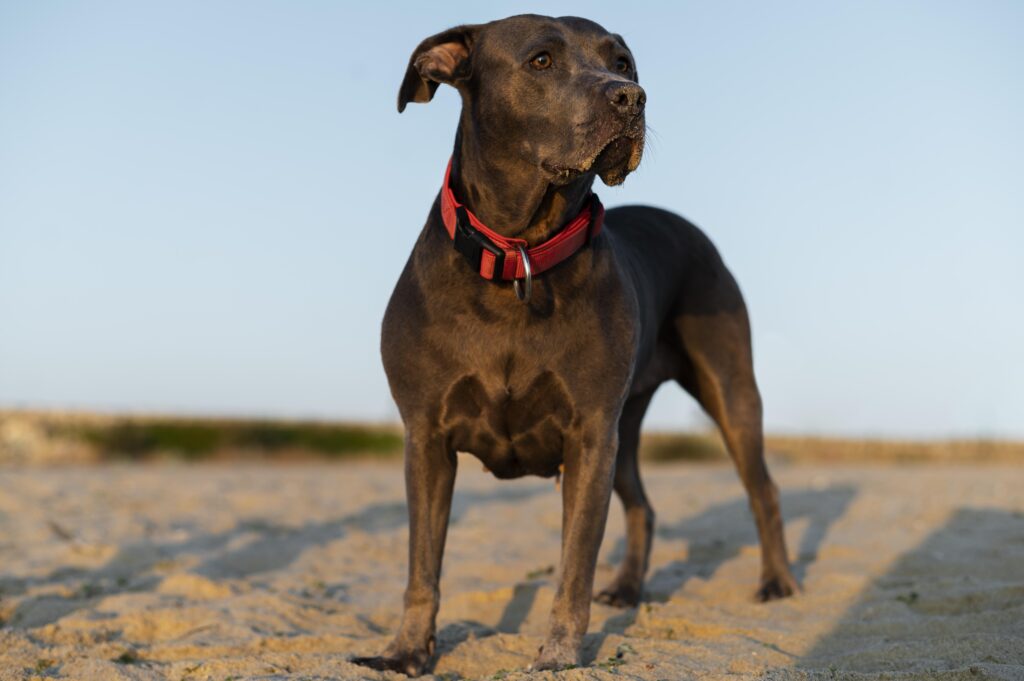
All these dogs share similar coats — short, smooth, single-layered hair. Many owners assume that means “low shedding,” but that’s a myth.
Even though pit bulls don’t have long hair, they shed year-round, releasing microscopic dander into the air. Because their fur is short, these particles cling easily to clothes, furniture, and bedding.
| Feature | Pit Bull Traits | Allergen Impact |
| Coat type | Short, single-layer | Doesn’t trap dander → more airborne |
| Shedding | Moderate to high | Continuous release of allergens |
| Saliva | Abundant (they love licking) | High allergen load |
| Grooming needs | Low-maintenance coat | Makes owners overlook allergen buildup |
According to the Vet Journal of Animal Science (2021), short-haired breeds like pit bulls can carry nearly the same dander concentration per square inch as long-haired dogs.
Why People Think Pit Bulls Are Hypoallergenic
It’s easy to see why the myth started: pit bulls look sleek and low-maintenance. But “short hair” doesn’t mean “less allergenic.”
Dog hair itself doesn’t cause allergies — the proteins on skin and saliva do.
Short coats can actually spread allergens faster because they shed more easily and are harder to catch in grooming brushes.
Think of it like glitter — the smaller it is, the farther it spreads.
How Dog Allergies Show Up
Every person reacts differently. The most common symptoms of dog allergies include:
- Sneezing, runny or stuffy nose
- Itchy or watery eyes
- Wheezing or shortness of breath
- Itchy skin, hives, or eczema flare-ups
- Swelling of eyelids or face
Dermatologists often see “contact dermatitis” from pet dander — red, itchy skin where the Pit Bull touched you.
If you notice these symptoms after petting or playing with your pit bull, you might be reacting to dander proteins.
Living Comfortably with a Pit Bull (Even If You’re Allergic)
If you already have a pit bull — don’t panic! You don’t need to say goodbye.
Here are clinically proven and pet-care tested ways to reduce allergens:
1. Bathe Your Dog Regularly
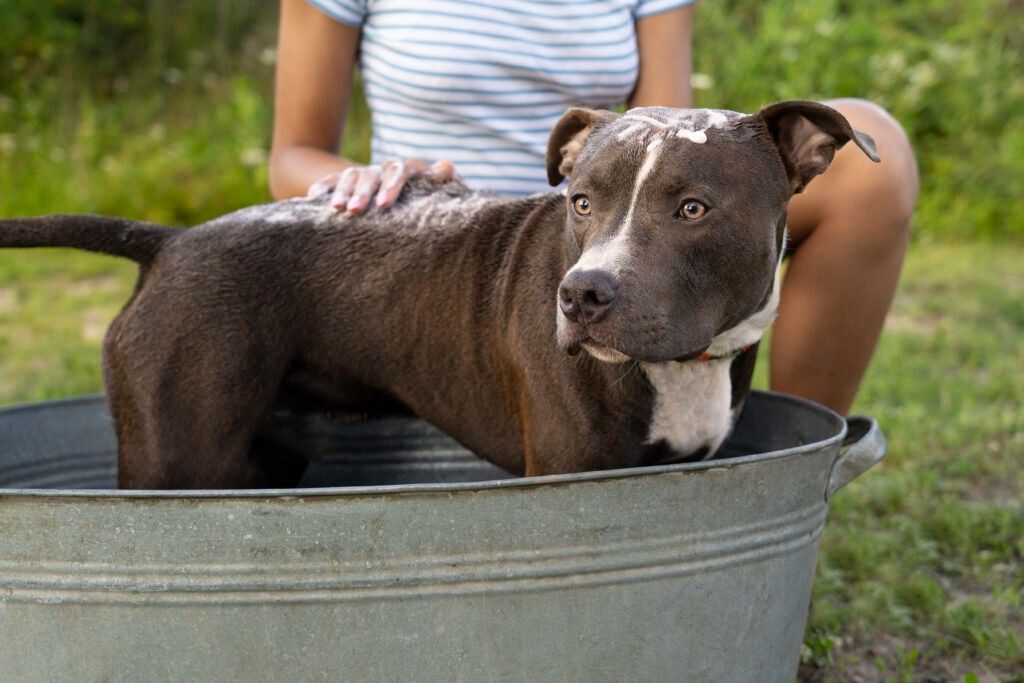
A 2012 Environmental Health Study found that bathing dogs twice a week can cut airborne allergens by 84%. Use a mild, hypoallergenic dog shampoo and dry thoroughly.
2. Brush Outdoors Only
Brushing removes dander before it spreads. Always brush outside, wearing a mask if you’re sensitive.
3. Invest in a HEPA Air Purifier
HEPA filters capture over 99.97% of airborne particles as small as 0.3 microns — including dander and saliva dust.
4. Vacuum Often
Use a vacuum with HEPA filtration, clean dog bedding weekly in hot water, and choose washable slipcovers.
5. Create Allergen-Free Zones
Keep your bedroom dog-free. It gives your body a few hours daily to recover from exposure.
6. Maintain Your Own Skin Barrier
Use fragrance-free moisturizers and wash hands after playtime. Dry, cracked skin absorbs allergens faster.
7. Medical Support
If allergies persist, talk to an allergist about options like immunotherapy (allergy shots) or antihistamines.
Science Corner: The “Allergen Load” Myth
Some brands market “hypoallergenic pit bulls.” This is misleading.
No peer-reviewed study has ever confirmed a truly hypoallergenic pit bull line.
In fact, a Swedish Allergy Foundation study showed that all dog breeds produce Can f 1 proteins, though amounts may vary up to 10-fold.
So the difference isn’t zero vs high — it’s less vs more.
Also Explore: Is Goldendoodle a hypoallergenic dog?
If You Want a Lower-Allergen Breed
Here are breeds known to produce fewer allergens (not none!):
| Breed | Shedding | Allergen Potential | Coat Type |
| Poodle | Low | Very Low | Curly, traps dander |
| Bichon Frise | Low | Low | Soft, dense |
| Maltese | Very Low | Low | Silky |
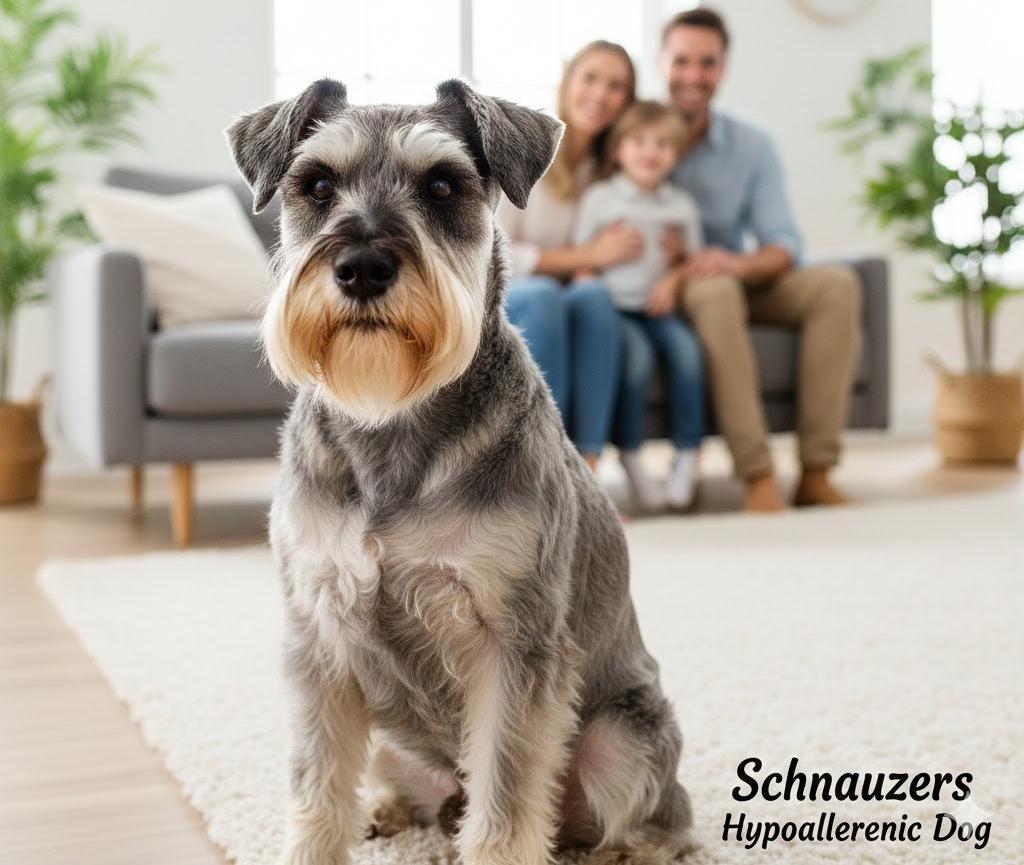
| Schnauzer | Low | Moderate | Wiry |
| Portuguese Water Dog | Low | Low | Curly |
If you adore pit bulls but struggle with allergies, consider fostering before adopting — it helps you test your reaction safely.
Why Pit Bulls Still Deserve Love
Sadly, pit bulls are one of the most misunderstood breeds in the world.
Many are abandoned due to myths — about aggression, or now about “causing allergies.”
But allergies are not their fault. With care and knowledge, they can make wonderful family companions.
“Love them, clean wisely, and care for your health — that’s the real balance.”
Dermatologist’s Advice for Pet Allergy Sufferers
As a skin specialist, here’s what I recommend for allergy-prone pet owners:
- Always moisturize after washing your hands to strengthen your skin barrier.
- Use gentle cleansers — harsh soaps strip protective oils.
- Wear cotton clothes when playing with pets; synthetics hold dander longer.
- Use a saline nasal rinse daily if you have sinus sensitivity.
- Keep windows open for ventilation when grooming pets indoors.
FAQs
Q: Are pit bulls hypoallergenic dogs?
A: No, they shed and release allergens like any other breed.
Q: Does hair length affect dog allergies?
A: Not really. Allergies come from proteins in saliva and skin, not fur length.
Q: Can I build immunity to my pit bull?
A: Some people experience reduced symptoms over time, but medical treatment is still the best path.
Q: Are blue-nose or red-nose pit bulls hypoallergenic?
A: No — color genes don’t affect allergen production.
Q: How can I test if I’m allergic to pit bulls?
A: Your allergist can perform a skin prick or blood test for specific dog allergens.
Final Thoughts
Pit bulls may not be hypoallergenic, but they can still be perfect companions. Allergies don’t have to end your bond — they just require understanding, discipline, and the right care routine.