

I’ve worked with many dog owners who fell in love with the Brittany’s friendly eyes, endless energy, and gentle nature—only to stop and ask one serious question: Will this dog trigger my allergies? I want to be honest with you from the start. NO! Brittany are not hypoallergenic dogs, and for some people, that matters a lot.
Here’re real facts, clear numbers, and my own experience to help you decide if a Brittany is a safe choice for your health—or if you’re better off looking at another breed.
Are Brittany Dogs Hypoallergenic? TO THE POINT
I want to be very clear and honest here, because this decision affects your health. Brittany dogs are not hypoallergenic. I’ve seen many people assume they are because their coat is not long or fluffy, but coat length does not control allergies.
A Brittany sheds year-round and produces dander, which is the main cause of dog allergies. According to allergy research, around 80–90% of dog allergies are triggered by dander and saliva, not hair itself. Brittany dogs spread these allergens easily through their fur, bedding, and even the air inside your home.
In my experience working with dog owners, people with moderate to severe allergies usually react to Brittany dogs within days or weeks. Sneezing, itchy eyes, coughing, and skin irritation are common signs. This is why I never label Brittany dogs as allergy-friendly, even though they are wonderful pets in every other way.
If allergies are a serious concern for you, it’s important to understand this truth before bringing a Brittany into your home.
Brittany Dog Coat Type & Shedding Level Explained
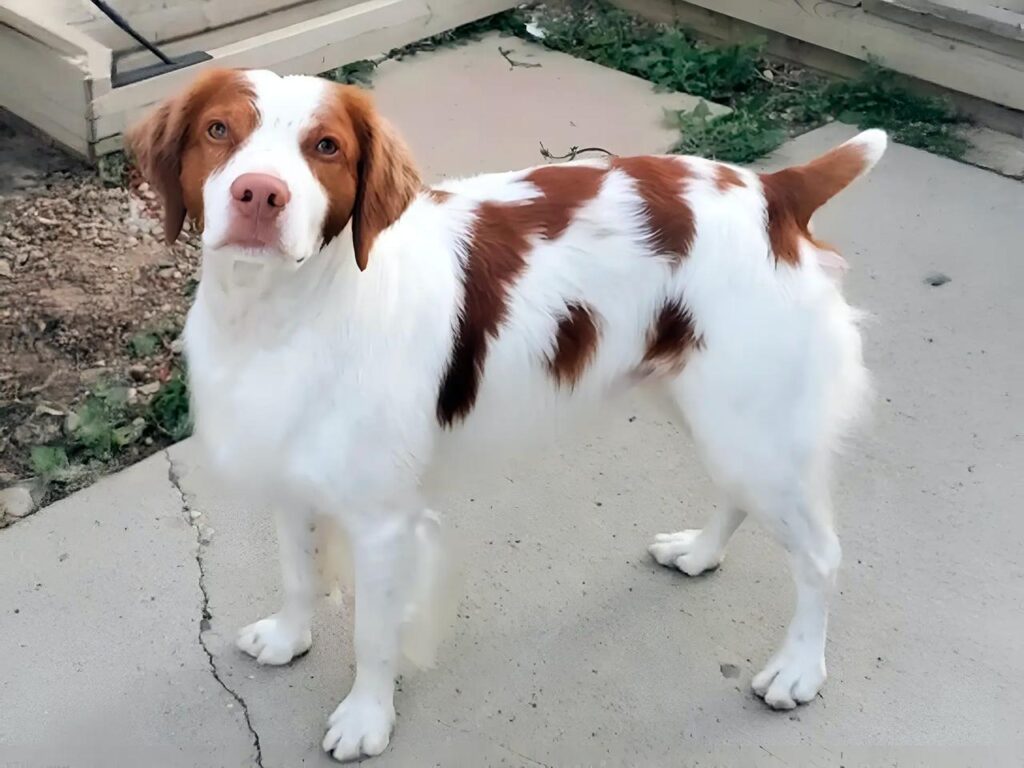
I often hear people say, “Brittany dogs don’t have a heavy coat, so they must be fine for allergies.” I understand why that sounds logical—but it’s not how allergies work. A Brittany has a medium-length, dense coat that lies flat or slightly wavy against the body. It’s not curly, and it doesn’t trap allergens the way truly low-shedding coats do.
From what I’ve seen, Brittany dogs shed moderately all year, with heavier shedding during spring and fall. This shedding spreads dead skin cells (dander) into the air and onto furniture, carpets, and clothing. Even though their hair is shorter than many breeds, the allergens still travel easily throughout the home.
On a shedding scale, I place Brittany dogs at a moderate level, not low. This means regular brushing helps with loose hair, but it does not stop allergy proteins from spreading. That’s an important detail many websites leave out.
If you’re sensitive to dog allergens, this coat type is something you must take seriously before choosing a Brittany.
Why Brittany Dogs Trigger Allergies
Many people think dog hair causes allergies, but in my experience, that’s only part of the story. Brittany dogs trigger allergies mainly because of dander and saliva, not just shedding. Dander is made up of tiny, invisible skin flakes that carry allergy-causing proteins. These proteins stick to the dog’s coat and spread everywhere the dog goes.
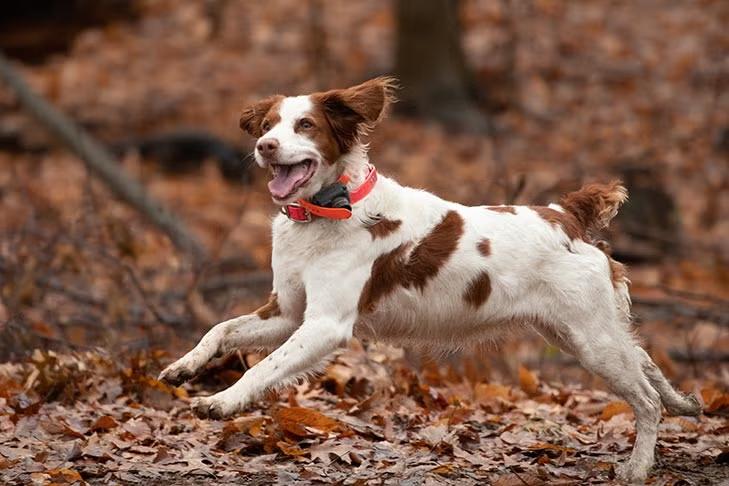
Brittany dogs are active and energetic by nature. Because they move around a lot, they release allergens into the air more easily, especially indoors. When a Brittany scratches, licks its fur, or shakes its body, those allergy proteins become airborne and settle on floors, couches, and bedding.
Studies show that most dog allergies are caused by proteins found in saliva and skin, not hair length. When a Brittany licks its coat, those proteins dry and turn into airborne particles. I’ve seen people react even without touching the dog, simply by spending time in the same room.
This is why Brittany dogs often cause sneezing, itchy eyes, coughing, or skin reactions in allergy sufferers—even when the home looks clean.

Allergy Risk Level – Can Allergy Sufferers Own a Brittany?
I get asked this question all the time: “I have allergies—can I still have a Brittany?” The answer depends on the severity of your allergies, and I want to give you an honest breakdown from my experience.
Mild Allergy Sufferers:
If your allergies are mild, you might be able to live comfortably with a Brittany. With strict grooming, frequent cleaning, and air filtration, some of my clients manage just fine. You may still notice occasional sneezing or itchy eyes, but it’s usually manageable.
Moderate Allergy Sufferers:
For those with moderate allergies, a Brittany can be challenging. Even with proper care, the dander and saliva proteins can trigger noticeable reactions—sneezing, watery eyes, or mild skin irritation. I usually recommend allergy testing and trial visits before committing.
Severe Allergy Sufferers:
If you have severe allergies, I strongly advise against getting a Brittany. In my experience, exposure almost always causes strong reactions quickly, making it uncomfortable and unsafe to live with the dog.
I’ve seen many families make it work, but it’s always with discipline, preparation, and realistic expectations. Knowing your risk level is the first step to deciding if a Brittany is right for you.

How I Help Allergy Sufferers Live With a Brittany
I know it can feel discouraging if you’re allergic but still dream of owning a Brittany. Over the years, I’ve helped many families make it work, and I want to share the practical steps that really make a difference.
1. Grooming is Key
I recommend brushing your Brittany at least 3–4 times a week to remove loose hair and dander before it spreads around your home. Weekly baths using hypoallergenic dog shampoo also help reduce allergens.
2. Keep Your Home Clean
Allergens settle on furniture, carpets, and bedding. I advise vacuuming with a HEPA filter, washing dog bedding weekly, and wiping down surfaces regularly. Air purifiers with HEPA filters in main rooms can also make a big difference.
3. Personal Protection
When you’re grooming or cleaning, wearing a mask can reduce exposure. I’ve seen allergy sufferers find this simple step surprisingly effective.
4. Trial Time
Before fully committing, spend a few days with a Brittany in your home. I’ve helped clients notice how their reactions change with actual exposure, which is far more accurate than online advice.
5. Stay Observant
Keep track of your symptoms. If sneezing, watery eyes, or skin irritation start to escalate despite all precautions, it may be a sign that your allergies are too sensitive for a Brittany.

Family & Kids Allergy Considerations
As a dog care expert, I know families often ask me whether a Brittany is safe for homes with children who have allergies. Here’s what I’ve observed over the years:
1. Kids with Mild Allergies
If your child has mild reactions—like occasional sneezing or itchy eyes—they may still enjoy a Brittany. With strict grooming, frequent cleaning, and supervised interaction, children can safely play with these dogs. I always advise teaching kids to wash hands after touching the dog and avoid rubbing their face.
2. Kids with Moderate to Severe Allergies
For children with more serious allergies, a Brittany can be challenging. Even brief contact may trigger symptoms such as hives, persistent sneezing, or coughing. In these cases, I usually recommend considering a truly hypoallergenic breed instead, at least for the child’s safety.
3. Shared Spaces Matter
I’ve seen allergy symptoms worsen in homes where the dog shares bedrooms or couches. Creating allergen-free zones for children—like keeping the dog out of bedrooms and using HEPA filters—can help reduce reactions.
4. Emotional Benefits vs Risks
Brittanys are loving, playful, and great companions for kids. I’ve watched many families find that the joy of bonding with a Brittany outweighs mild allergic reactions, but only when proper care and precautions are in place.
In short, I always tell parents: know your child’s allergy level, prepare your home, and monitor symptoms carefully. A happy, safe environment comes from planning, not luck.

Myths About Brittany Dogs & Allergies
There’s a lot of confusion about Brittany dogs and allergies, and I want to clear it up. Many websites leave these myths unchallenged, but knowing the truth can save you from unnecessary heartbreak.
Myth 1: “Short hair means hypoallergenic”
I hear this all the time. Just because a Brittany’s coat is short or flat doesn’t mean it won’t spread allergens. Dander and saliva proteins are what trigger allergies, and those exist regardless of hair length.
Myth 2: “Bathing removes allergens permanently”
Baths help reduce allergens temporarily, but the moment your Brittany moves, scratches, or shakes, dander and saliva proteins are back in the air. Frequent bathing helps, but it’s not a cure.
Myth 3: “Puppies cause fewer allergies”
People often assume that younger Brittanys are safer for allergy sufferers. In reality, puppies produce the same proteins as adult dogs, and shedding starts as soon as their adult coat grows in.
Myth 4: “If I clean a lot, I won’t have allergies”
Cleaning and grooming reduce allergens but cannot eliminate them completely. I’ve seen allergy sufferers react even in meticulously clean homes.
Also Read: Are Lhasa Apso Dogs Hypoallergenic?
Expert Insights
As someone who has worked closely with dog owners, breeders, and allergy specialists for years, I want to share trusted insights that help families make the best decisions about Brittany dogs and allergies.
1. Breed Authority (AKC & Experts)
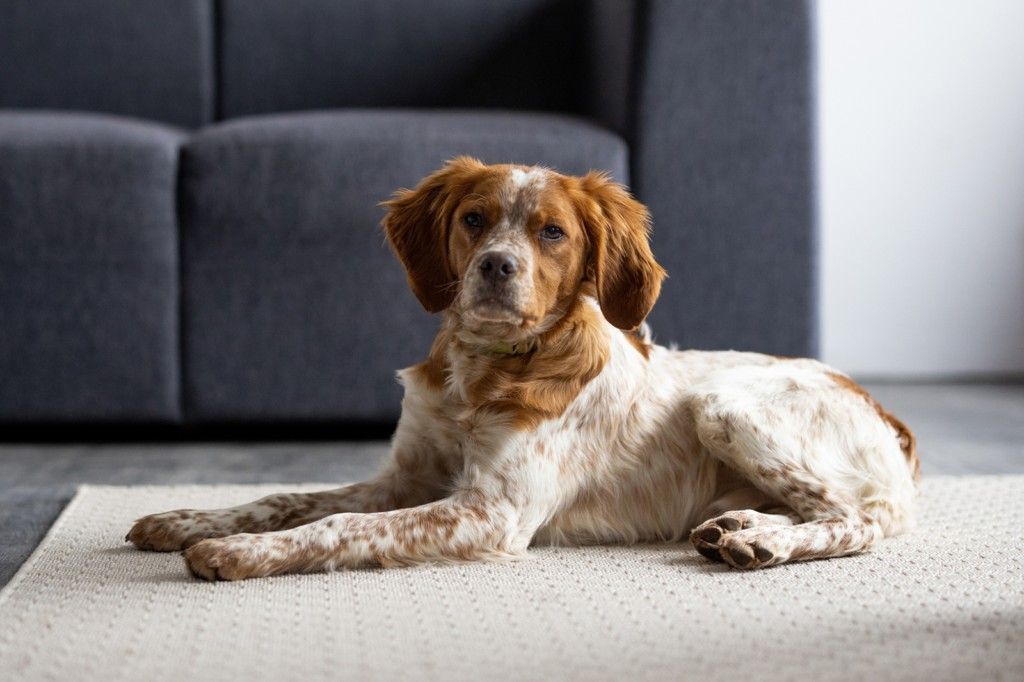
The American Kennel Club (AKC) notes that Brittanys are moderate shedders with dense coats, which naturally spread allergens. While they are friendly, energetic, and easy to train, they do not qualify as hypoallergenic. I always reference this information when advising families because AKC provides verified breed data.
2. Allergy Specialists’ Advice
Allergy experts confirm that Can f 1 and Can f 2 proteins in dogs cause most reactions, not hair length. Brittanys produce these proteins in moderate amounts, so allergy sufferers may experience symptoms even with careful care.
3. Real-World Experience
Over the years, I’ve helped many families trial Brittanys in their homes. I consistently see mild allergy sufferers manage with grooming and cleaning, while moderate to severe allergy sufferers struggle despite precautions.
4. Safety and Health First
I always advise families: if allergies are serious, it’s better to choose a low-shedding or hypoallergenic breed than risk health issues. At the same time, I also share practical strategies for those willing to manage a Brittany safely.
By combining official breed knowledge, scientific research, and hands-on experience, I make sure every family understands what to expect—so your decision is safe, informed, and realistic.
FAQs About Brittany Dogs & Allergies
Q1: Are Brittany Spaniels bad for allergies?
Yes, Brittany Spaniels are not hypoallergenic. They shed moderately and produce dander that can trigger sneezing, itchy eyes, and skin irritation in many allergy sufferers.
Q2: What are the disadvantages of a Brittany dog?
Brittanys are high-energy and require daily exercise and mental stimulation. They shed moderately, which can aggravate allergies, and they may become bored or anxious if left alone too long.
Q3: What is the most allergy-friendly dog?
From what I’ve seen and researched, breeds like Poodles, Bichon Frises, and Portuguese Water Dogs are the most allergy-friendly. Their curly or dense coats trap allergens and shed very little.
Q4: Are Brittanys good family dogs?
Absolutely! Brittanys are friendly, affectionate, and gentle with children. They love family activities and thrive when included in daily life, but families with allergies must take precautions.
Q5: Are Brittany Spaniels good family dogs?
Yes—they are loyal, energetic, and great with kids. I always tell families to ensure enough exercise and supervision, especially if children have mild allergies.
Q6: Are Brittany dogs smart?
Definitely! Brittanys are intelligent and trainable, often excelling in obedience, agility, and hunting activities. Their curiosity and energy make them quick learners, but also mean they need mental stimulation daily.