

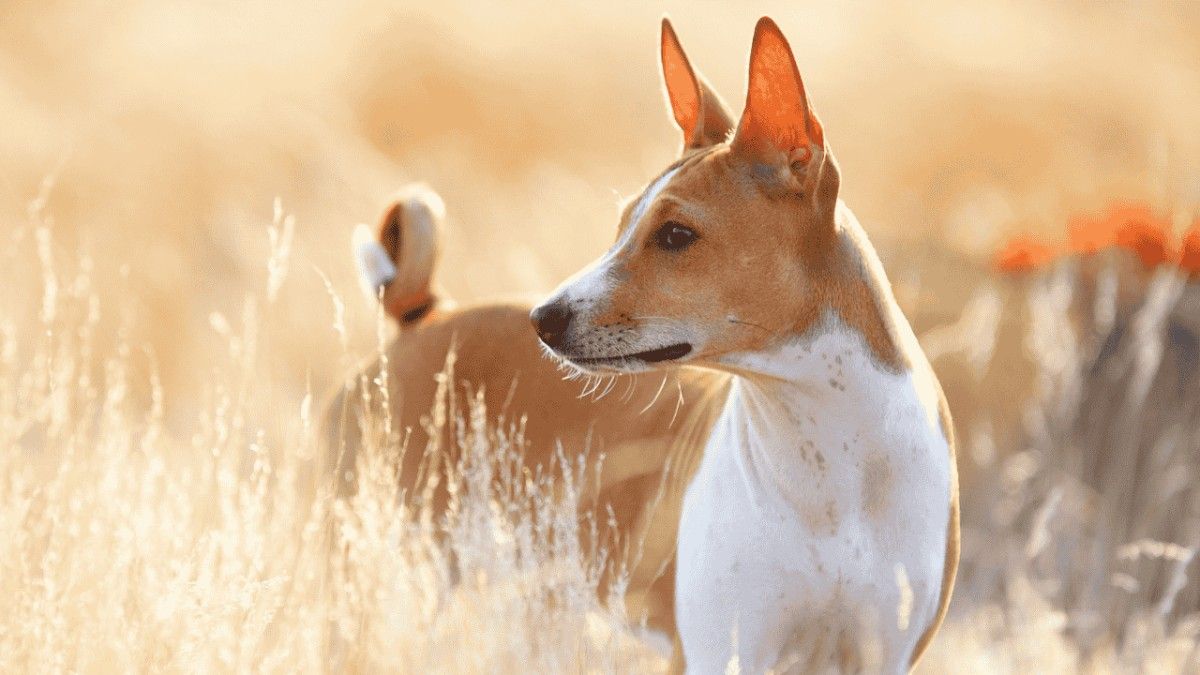
Basenjis are hypoallergenic, which means that they are less likely to cause allergic reactions.
When people search “Are Basenji dogs hypoallergenic?”, it usually means someone at home struggles with allergies but still dreams of having a dog. And the fear is real—no one wants to bring home a dog and then watch a loved one sneeze, struggle to breathe, or suffer itchy eyes. So here is the clear answer without any confusion: Basenjis are not 100% hypoallergenic, but they are one of the most allergy-friendly breeds because they shed very lightly and stay naturally clean.
Some families live perfectly fine with them, while others still react. That’s why understanding their coat, dander, and real allergy behavior is important before you make such an emotional decision.
Why People Think Basenjis Are Hypoallergenic
Basenjis confuse people because they behave differently from most dogs. Their coat is short, smooth, and unbelievably clean — they groom themselves almost like cats. They shed so lightly that many owners say they rarely find hair on furniture or clothes. This creates the impression that they are “safe” for allergy-sensitive families. Their low smell, low shedding, and constant self-cleaning make people believe they are hypoallergenic, when in reality, they simply spread fewer allergens around the home.

Do Basenjis Shed?
- Very light shedding
- No clumps on the floor
- Seasonal increase, but still minimal
- Good for people irritated by floating hair
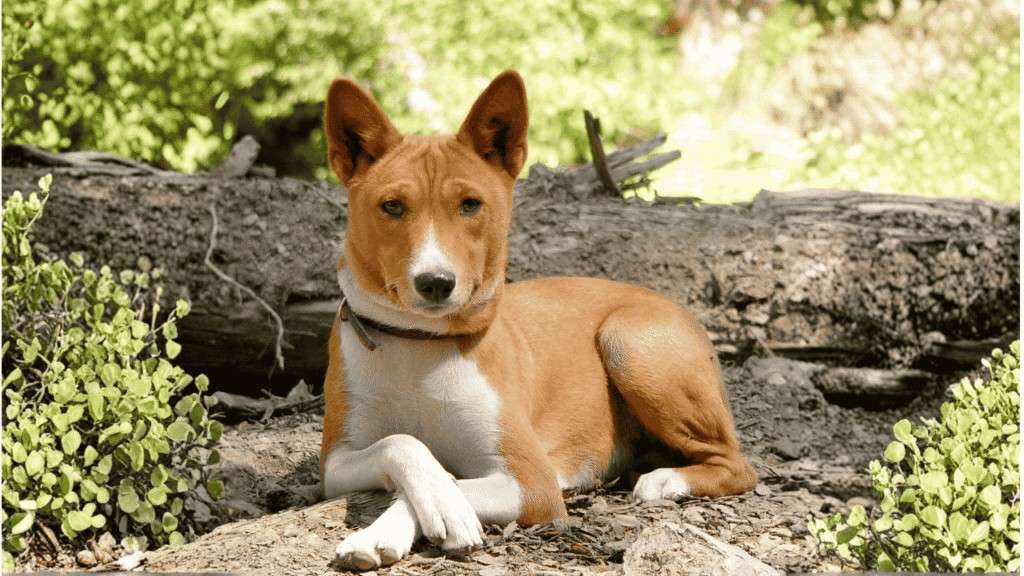
The Hard Truth: Basenjis Still Produce Allergens
Even though Basenjis shed less, they still produce the same allergy-triggering proteins found in every dog. Their saliva, their skin oils, and even tiny flakes of dander can cause reactions in sensitive people. A person with mild allergies may never feel anything around a Basenji, but someone with strong reactions might still sneeze or feel their eyes burning. This difference from person to person is why “hypoallergenic breeds” can never give a 100% guarantee.
Common Allergy Symptoms Around Basenjis
- Sneezing
- Runny or itchy nose
- Watery eyes
- Red or irritated skin
- Asthma flare-ups in severe cases
Basenji Coat Facts
- Single coat
- Short, smooth hair
- Doesn’t trap dust easily
- Stays naturally clean
- Very low odor
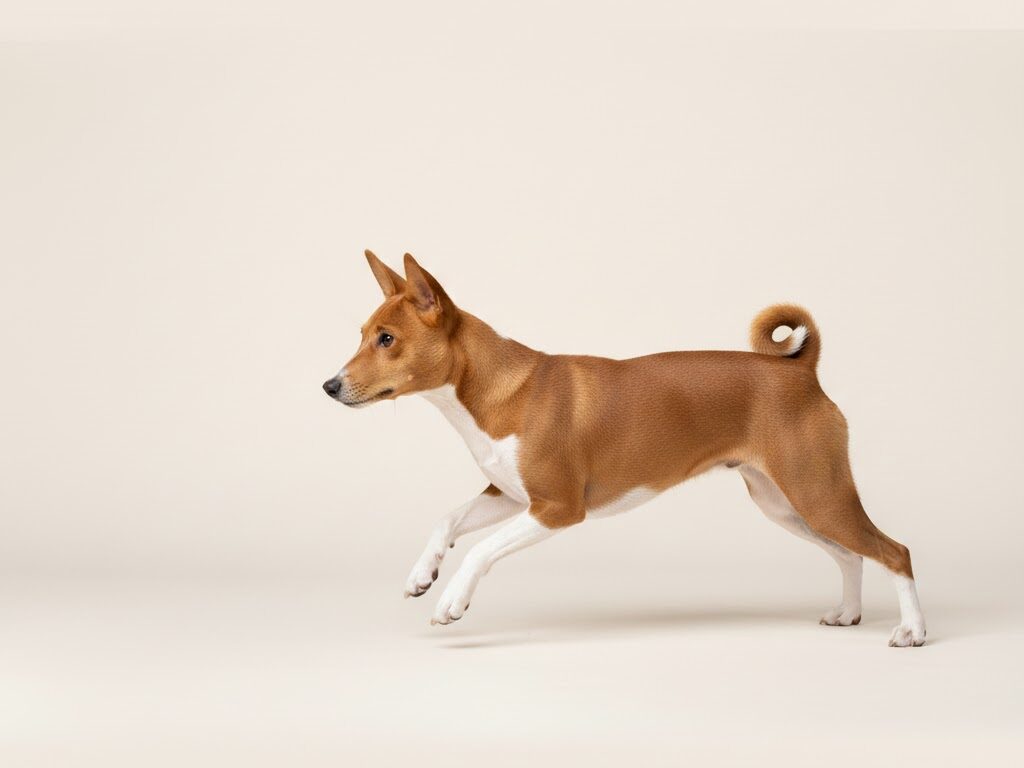
How Much Dander Do Basenjis Produce?
- Less than high-shedding breeds
- Not zero
- Sensitive people may still react
- Environment and cleaning routine matter A LOT.
Can You Live Comfortably With a Basenji If You Have Allergies?
For many families, yes. Basenjis are one of the few breeds that allergy-sensitive people often tolerate because of their clean coat and extremely light shedding. But your comfort depends entirely on your personal sensitivity. Some people walk into a home with a Basenji and feel perfectly normal, while others may start reacting within minutes. The only honest approach is to test your reaction before adopting, because no article, breeder, or expert can predict how your body will respond.
How to Reduce Allergies If You Choose a Basenji
- Brush weekly
- Bathe monthly
- Use HEPA air purifiers
- No dogs on the bed
- Vacuum carpets and sofas often
- Clean dog bedding weekly
- Wash your hands after playing
- Use pet wipes after outdoor walks
Are Basenjis Good for First-Time Owners?
Basenjis can be good for first-time owners if you are patient and active. They are smart and independent and require daily exercise and mental stimulation. However, they can be stubborn and are not ideal if you want a highly obedient, easy-to-train dog.
Common Questions About Basenjis
Is a Basenji high maintenance?
Basenjis are low-maintenance in grooming because they clean themselves like cats. However, they need daily exercise and mental stimulation to stay calm and happy.
What is the downside of a Basenji?
Basenjis are very independent and don’t always listen like other dogs. They can become stubborn or destructive if they feel bored or ignored.
Are Basenjis non-shedding?
Basenjis are low-shedding, but they are not completely non-shedding. They still release small hairs and dander that can affect allergy sufferers.
Are Basenjis aggressive?
Basenjis are not naturally aggressive, but they can be reserved with strangers. Without early socialization, they may become defensive or overly alert.
Are Basenjis good for allergy sufferers?
Basenjis are often easier for people with mild allergies because they shed less. Still, they produce dander, so they are not truly hypoallergenic.
Do Basenjis bark a lot?
Basenjis do not bark like most dogs and are known as a quiet breed. Instead, they make unique sounds like yodels or soft howls.
Can Basenjis be left alone at home?
Basenjis do not like being alone for long periods of time. If left bored, they may chew furniture or try to escape.
Final Answer: Are Basenji Dogs Hypoallergenic?
Basenjis are not fully hypoallergenic, but they are one of the least-shedding, cleanest, and most allergy-friendly dog breeds. They are a great choice for families with mild or moderate allergies, but not a guaranteed solution for severe allergy sufferers. If your heart is set on a Basenji, spend time with one before adopting—because the right dog should bring peace to your home, not health struggles.