


Yes, Lhasa Apso are often called hypoallergenic dogs because they shed very little, but they are not completely allergy-free. They may work well for people with mild allergies, but they are not a guaranteed safe choice for everyone.
If you struggle with allergies, the fear of constant sneezing, itchy eyes, or breathing trouble is very real when choosing a dog.
In this article, you’ll learn what “hypoallergenic” truly means, how Lhasa Apso dogs affect allergies, and what experts recommend for allergy-sensitive homes. This will help you decide with confidence and care—for both you and your future pet.
Why Are Lhasa Apso Dogs Considered Hypoallergenic?
Unlike many breeds that drop fur daily, Lhasa Apsos lose far less hair, which means fewer allergens spread around the home that’s why they’re hypoallergenic.
Their hair grows continuously, much like human hair, instead of falling out in large amounts. This growth pattern helps limit loose fur on furniture, carpets, and clothing—one of the main reasons allergy sufferers notice fewer reactions.
Another reason is their long double coat, which traps loose hair instead of releasing it into the air. Because less hair becomes airborne, dander particles are reduced, though not completely eliminated. This is why some people with allergies feel more comfortable around Lhasa Apso dogs compared to heavy-shedding breeds.

Do Lhasa Apso Dogs Shed?
Lhasa Apso dogs shed very little compared to most breeds, which is one of the main reasons they are often recommended for allergy-sensitive homes. You won’t usually find large clumps of hair on the floor or furniture like you would with heavy-shedding dogs.
That said, seasonal shedding can still happen, especially during coat changes or if grooming is skipped. Stress, diet, and health can also affect how much hair they lose at certain times of the year.
It’s important to understand the difference between shedding and dander. Shedding is the loss of hair, while dander is made of tiny skin flakes that cause allergies. Regular brushing helps remove loose hair and trapped dander, reducing allergen buildup in your home—but it does not eliminate it completely.
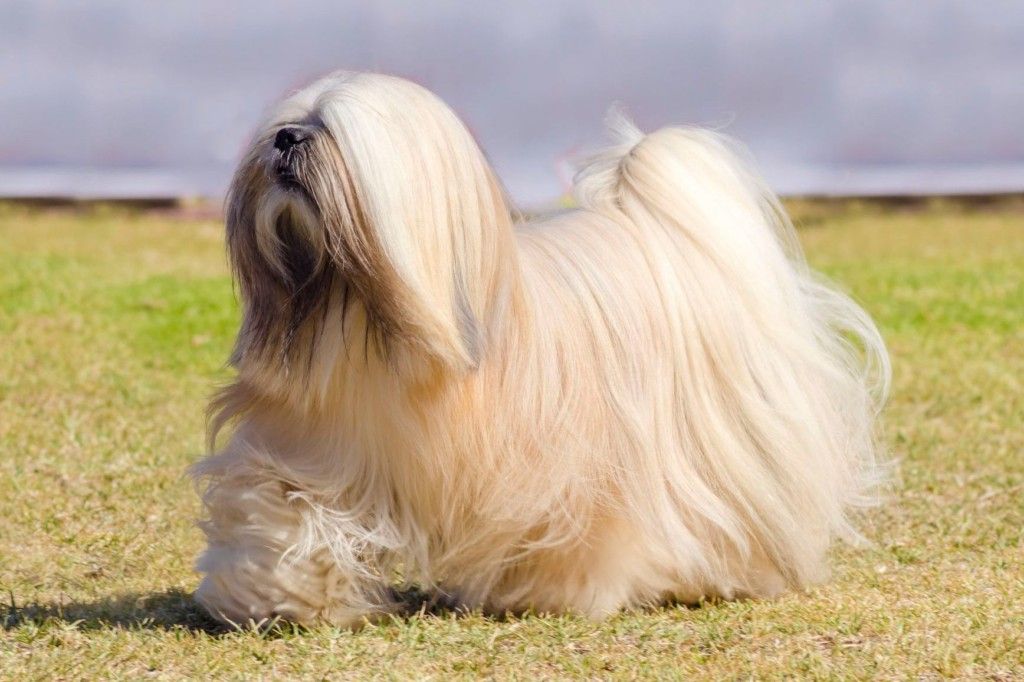
Do Lhasa Apsos Produce Dander and Allergens?
Yes, Lhasa Apso dogs do produce dander and other allergens, just like all dog breeds. No dog is completely free from allergens because they come from dead skin cells, saliva, and natural skin oils, not just fur.
What makes Lhasa Apsos different is that their dander levels are usually lower, mainly due to their low shedding coat. Because less hair floats around the home, fewer allergen particles become airborne—but the risk is lower, not zero.
Allergic reactions can also be triggered by saliva proteins, which spread when dogs lick their fur or owners, and by skin proteins that stick to hair and surfaces. This is why even low-shedding breeds can still cause symptoms.
Some people react strongly while others don’t because allergy sensitivity varies from person to person. Your immune system, the severity of your allergies, and even the individual dog’s skin health can all affect how your body responds.
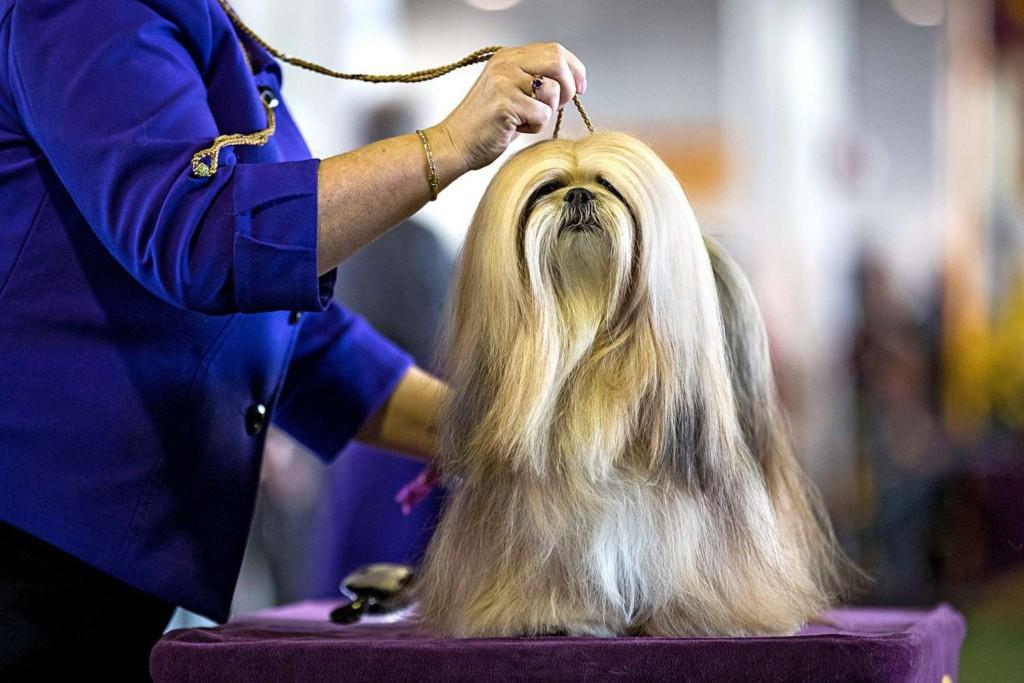
Scientific Reality – Are Lhasa Apso Dogs Truly Hypoallergenic?
Many people believe certain dog breeds are completely safe for allergies, but science tells a different story. There is no dog breed that is fully hypoallergenic, including the Lhasa Apso. All dogs release allergy-causing proteins through their skin, saliva, and natural body oils.
What makes allergies tricky is that everyone reacts differently. Some people may notice no symptoms at all around a Lhasa Apso, while others may start sneezing within minutes. The reaction depends on personal sensitivity, not just the breed’s shedding level.
In real life, the individual dog often matters more than the breed label. A well-groomed, healthy Lhasa Apso may cause fewer reactions than a poorly cared-for “hypoallergenic” breed. This is why I as allergy specialist & pet expert recommend meeting the dog first before making a final decision.
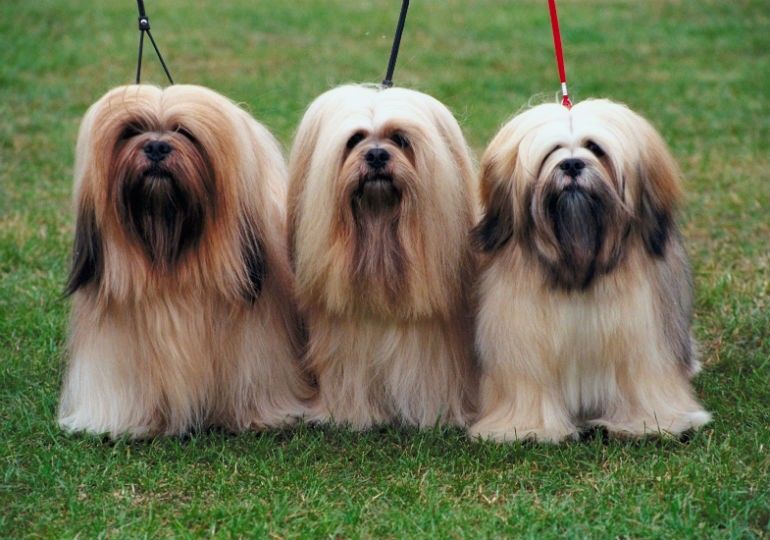
Lhasa Apso Temperament and Behavior (Does It Affect Allergies?)
Lhasa Apso dogs are known for being calm and settled indoors, which can be helpful for people with allergies. They are not constantly running or jumping around the house, so fewer allergens get pushed into the air compared to very active breeds.
Their nature is independent yet deeply loyal. They enjoy companionship but are not overly needy, which often means less constant physical contact. For allergy-sensitive owners, this balance can make daily life more comfortable.
Lhasa Apsos have a moderate activity level. They enjoy short walks and playtime but are not high-energy dogs. This calmer lifestyle helps limit how much dander spreads throughout the home.
Another important point is drooling. Lhasa Apso dogs drool very little, and since saliva contains allergy-triggering proteins, less drooling means fewer allergens on hands, furniture, and clothing—an often overlooked benefit for allergy sufferers.

Living With a Lhasa Apso If You Have Allergies
Step 1: Spend Time With the Dog First
Before bringing a Lhasa Apso home, spend several hours or days with the dog. This lets you see how your allergies react in real life, rather than relying on breed labels or online advice.
Step 2: Groom Regularly and Properly
Brush your dog daily and bathe every 3–4 weeks with a gentle shampoo. Regular grooming removes loose hair and reduces dander, which is the main trigger for most allergy sufferers.
Step 3: Keep Living Spaces Clean
Vacuum carpets, rugs, and furniture frequently using a HEPA-filter vacuum. Wash dog bedding weekly to prevent allergens from building up in your home environment.
Step 4: Use Air Purifiers
Place HEPA air purifiers in bedrooms and living areas. These can trap airborne dander and help allergy-sensitive family members breathe easier.
Step 5: Create Allergy-Free Zones
Decide on areas where the dog is allowed. Many allergy sufferers keep bedrooms or certain furniture off-limits to reduce exposure to allergens.
Step 6: Practice Hand and Face Hygiene
Always wash your hands after touching your dog, and avoid touching your face before washing. Even small amounts of saliva or dander can trigger reactions.
Step 7: Monitor and Adjust
Keep track of your allergy symptoms. If reactions persist despite these steps, consult an allergist or reconsider the dog’s access to certain areas.
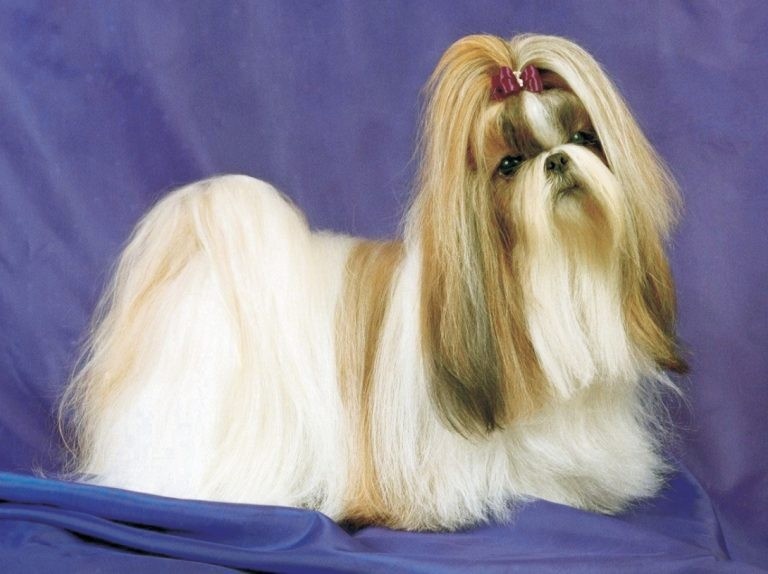
Can People With Asthma or Severe Allergies Own a Lhasa Apso?
Living with allergies or asthma doesn’t mean you have to give up on a dog—but it does require careful consideration, especially with breeds like the Lhasa Apso. Here’s what you should know:
- Mild Allergies: If your allergic reactions are mild, a Lhasa Apso can be manageable. Their low-shedding coat, combined with proper grooming and home cleaning, often allows allergy-sensitive families to live comfortably with them.
- Severe Asthma: For people with severe asthma, caution is essential. Even a low-shedding dog still produces dander and saliva proteins, which can trigger serious symptoms. In such cases, careful assessment is needed before bringing a dog home.
- Spend Time Before Adoption: It’s crucial to interact with a Lhasa Apso before adoption. Spend several hours or days with the dog to see how your body reacts. Breed labels alone do not guarantee allergy safety.
- Prepare Your Home: If you decide to adopt, take preventive steps:
- Use HEPA air purifiers in key living spaces
- Keep certain rooms (like bedrooms) dog-free
- Maintain a strict grooming routine to reduce allergens
- Use HEPA air purifiers in key living spaces
By understanding your own allergy level and preparing your home, it is possible to enjoy the loyal and affectionate companionship of a Lhasa Apso, even if you are sensitive to allergens.

Are Lhasa Apso Puppies Better for Allergies Than Adults?
Many people wonder if getting a puppy instead of an adult Lhasa Apso can reduce allergy problems. The truth is not simple—puppies may trigger allergies differently than adult dogs.
- Coat Development: A Lhasa Apso’s coat changes as it grows. Puppy hair is softer and may shed less at first, but as the dog matures, its full coat develops and shedding patterns increase.
- Allergic Reactions Can Change: Some allergy sufferers notice fewer symptoms with a young puppy, but reactions can increase over time as the coat thickens and dander production rises.
- Individual Variation: Every dog is different. Two puppies from the same litter may trigger slightly different allergic responses in the same person.
In short, while puppies may feel easier on mild allergies at first, long-term care, grooming, and monitoring are what truly make living with a Lhasa Apso manageable for allergy-sensitive owners.
Also Read: Are Brussel Griffon Dogs hypoallergenic?
Pros and Cons of Lhasa Apso for Allergy Sufferers
Living with a Lhasa Apso can be very rewarding, but it’s important to understand both the benefits and challenges—especially if you’re sensitive to allergens.
Pros
- Low shedding
- Less fur around the house
- Minimal drooling
- Suitable for apartments (due to their calmer behaviour)
Cons
- Not allergy-free: Even with low shedding, Lhasa Apsos still produce dander and saliva allergens.
- High grooming needs: Daily brushing and regular baths are essential to keep allergens under control.
- Long coat traps allergens if neglected: Mats and tangles can hold loose hair and dander, increasing allergy risks.
FAQs
Q1: Are Lhasa Apso dogs good for allergy sufferers?
Lhasa Apsos can be suitable for people with mild allergies due to their low shedding coat, but they are not completely allergy-free. Proper grooming and home care are essential.
Q2: Can Lhasa Apso trigger asthma?
Yes, their dander and saliva proteins can trigger asthma in sensitive individuals. People with severe asthma should exercise caution and spend time with the dog first.
Q3: Do male or female Lhasa Apsos cause fewer allergies?
There is no significant difference between males and females in allergen production. Individual dog care and grooming matter more than gender.
Q4: Does shaving a Lhasa Apso reduce allergies?
Shaving may temporarily reduce loose hair, but it does not eliminate dander or saliva allergens. Regular brushing and bathing are more effective.
Q5: How often should I groom a Lhasa Apso for allergies?
Daily brushing and bathing every 3–4 weeks are recommended. Professional grooming every few weeks helps control mats and reduce allergen buildup.
Q6: Is Lhasa Apso better than Shih Tzu for allergies?
Lhasa Apsos generally shed less than Shih Tzus, which may make them slightly easier for allergy-sensitive owners, but both require diligent grooming.
Q7: What is the lifespan of a Lhasa Apso dog?
Lhasa Apsos typically live 12–15 years with proper care, making them a long-term companion for families and individuals.
Q8: What are the disadvantages of a Lhasa Apso?
They require high grooming, can develop mats if neglected, and are not allergy-free, which may be challenging for sensitive owners.
Q9: Is a Lhasa Apso a good family dog?
Yes, they are loyal, calm, and affectionate, making them a great choice for families who can commit to grooming and care.