

No, Blue Heeler are not hypoallergenic dogs.
In this article, you’ll learn why Blue Heelers trigger allergies, how their coat and shedding affect sensitive people, and real, practical tips to reduce allergy problems if you already love this energetic dog.
Quick Answer: Are Blue Heelers Hypoallergenic or Not?
No.
Blue Heelers are not hypoallergenic because they produce allergens that can trigger reactions in sensitive people. Even though their hair is short, it still spreads allergy-causing particles around the home.
This means Blue Heelers may not be a safe choice for people with moderate to severe dog allergies, even if they don’t look fluffy.
Blue Heeler Breed Overview
The Blue Heeler, also known as the Australian Cattle Dog, was bred in Australia to herd cattle over long distances. These dogs were created to be strong, smart, and hardworking, which is why they are still used as working dogs today.
Blue Heelers are medium-sized dogs, usually weighing between 35 and 50 pounds and standing about 17 to 20 inches tall. They have very high energy levels and need daily exercise to stay healthy and happy.
In temperament, Blue Heelers are loyal, alert, and highly active. They form strong bonds with their owners and love having a job to do. Because they are working dogs, they thrive in homes that can give them both physical activity and mental challenges.
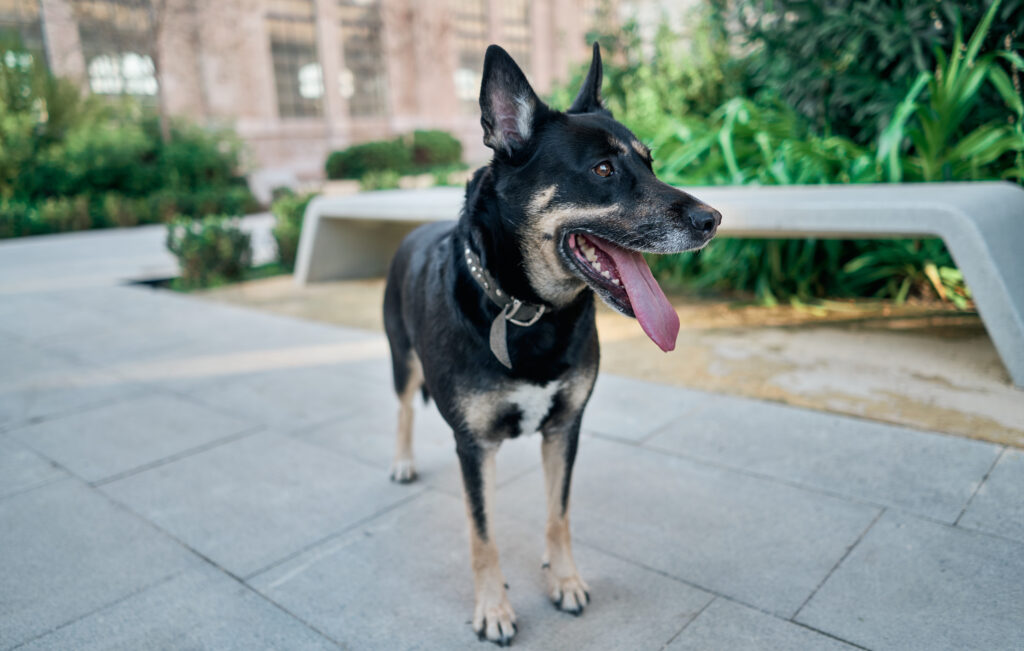
Blue Heeler Coat Type Explained
Understanding the Blue Heeler’s coat is very important when talking about allergies. Even though their hair looks short and smooth, their coat is designed for hard outdoor work—not for allergy-sensitive homes.
Do Blue Heelers Have a Double Coat?
Yes, Blue Heelers have a double coat.
This means they have:
- A short, stiff outer coat that protects them from dirt and weather
- A dense undercoat that keeps them warm and insulated
The problem is that this thick undercoat holds onto dander, which is made of tiny dead skin flakes. When the dog moves, shakes, or sheds, those allergens are released into the air.
Why Double-Coated Dogs Trigger Allergies More
Double-coated dogs, like Blue Heelers, often trigger allergies more than single-coated breeds because:
- Dander builds up deep in the undercoat
- Shed hair carries allergens onto floors, furniture, and clothes
- Seasonal shedding releases large amounts of allergens at once
This is why people with dog allergies may react strongly to Blue Heelers, even though their fur is not long or fluffy.
Do Blue Heelers Shed a Lot?
Yes, Blue Heelers do shed, and shedding plays a big role in allergy problems. Even though their coat is short, it releases hair and allergens into the home throughout the year.
How Much Do Blue Heelers Shed?
Blue Heelers are moderate shedders all year round. You will regularly find hair on floors, furniture, and clothing.
They also go through heavy seasonal shedding, often called “blowing their coat.” During this time, they lose large amounts of their undercoat in a short period.
When Do Blue Heelers Shed the Most?
Blue Heelers usually shed the heaviest during:
- Spring, when they lose their winter coat
- Fall, as they prepare for cooler weather
These seasons can be especially hard for people with allergies.
Does Shedding Mean More Allergies?
Yes. More shedding usually means more allergens in the air. As hair falls out, it carries dander with it, spreading allergy-triggering particles around the home. This can lead to stronger allergy symptoms, especially during peak shedding months.
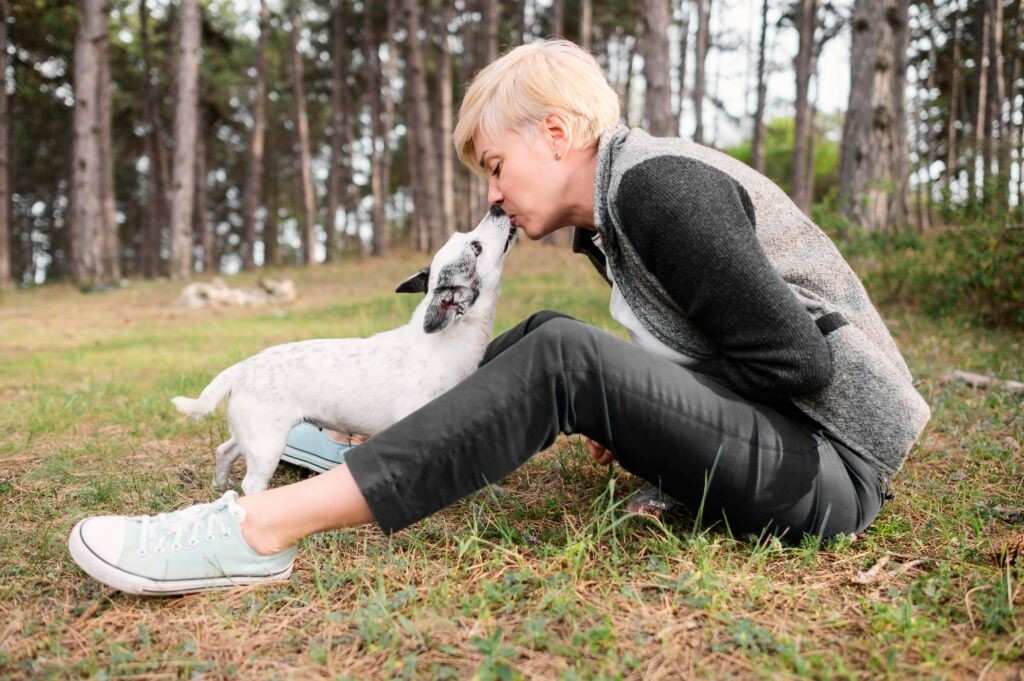
Do Blue Heelers Cause Allergies?
Yes, Blue Heelers can trigger allergies in sensitive individuals. Their coat, skin, and saliva all produce allergens that may cause symptoms such as sneezing, itchy eyes, runny nose, or even asthma attacks in more severe cases.
Mild vs Severe Allergy Reactions
- Mild reactions: Sneezing, watery eyes, slight itching, or mild congestion
- Severe reactions: Difficulty breathing, asthma flare-ups, persistent rashes, or intense itching
The intensity of symptoms depends on the person’s sensitivity and exposure to the allergens.
Why Some People React More Than Others
Everyone’s immune system reacts differently to allergens. Factors that affect reactions include:
- How allergic a person is to dog dander
- Frequency and duration of exposure to the dog
- Whether the home is clean and well-ventilated
Even short-haired dogs like Blue Heelers can cause strong allergic reactions because of their double coat and dander production.
This makes it important for allergy sufferers to consider their risk carefully before adopting a Blue Heeler.
Also read: Where to find hypoallergenic Dogs?
Are Blue Heeler Puppies Hypoallergenic?
No, Blue Heeler puppies are not hypoallergenic. Even though they are small and cute, puppies still produce allergens in their skin, saliva, and fur from the very beginning. Their short hair might seem less intimidating, but allergens are microscopic and spread easily.
Do Puppies Cause Less Allergies?
Some people assume that puppies trigger fewer allergies, but in reality:
- Allergens are present from birth
- Puppies may shed less initially, but their dander is still enough to cause reactions
- As the puppy grows, shedding and allergen levels increase, often making allergies worse
Myth-Busting
- Myth: “Puppies are safer for allergy sufferers.” ❌
- Fact: Allergens exist even in tiny puppies, so sensitivity will depend on the person, not the size or age of the dog.
Understanding this early helps allergy-prone families make informed decisions before bringing home a Blue Heeler puppy.
Are Blue Heeler Mixes Hypoallergenic?
Blue Heeler mixes are not guaranteed to be hypoallergenic. While some mixes may inherit a coat that sheds less or produces fewer allergens, most still carry the same proteins that trigger allergies.
Coat Type Matters
- A mix with a single coat or curly hair may shed less, but allergens can still be present in skin and saliva.
- Even if the hair looks “hypoallergenic,” the dog can still cause allergic reactions.
Examples of Blue Heeler Mixes
- Blue Heeler × Poodle – Sometimes marketed as allergy-friendly, but still produces dander
- Blue Heeler × Labrador – Moderate shedding, allergens still present
- Blue Heeler × Australian Shepherd – High shedding, not suitable for allergy sufferers
In short, there’s no mix that guarantees zero allergies, so families with sensitivities should approach all Blue Heeler crosses cautiously.
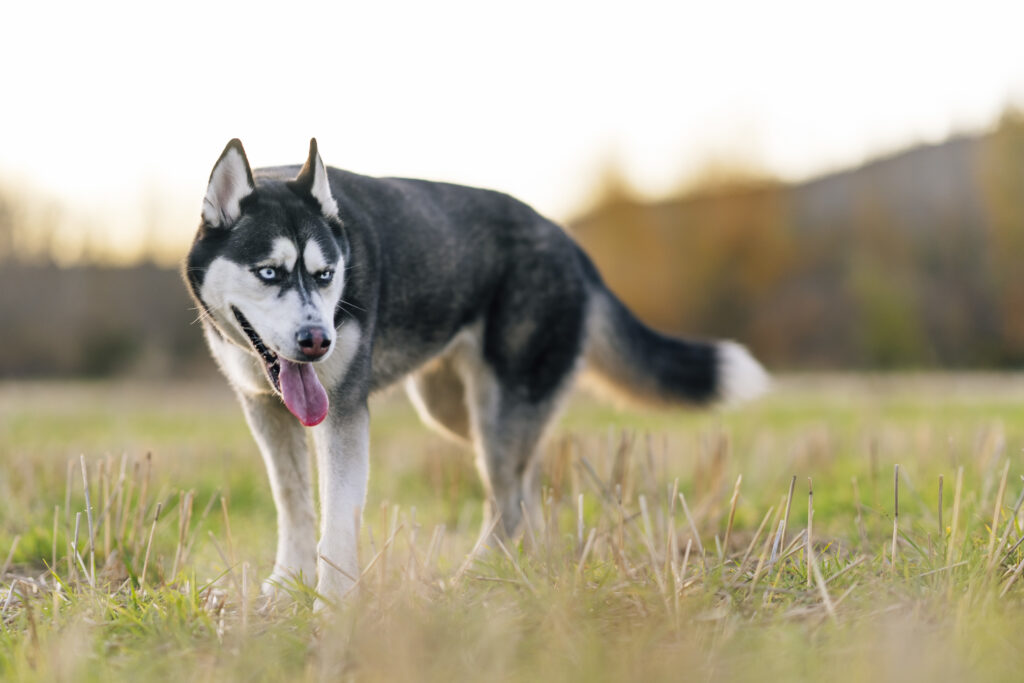
Can Allergy Sufferers Live With a Blue Heeler?
Living with a Blue Heeler can be challenging for people with allergies, but it is possible for some with the right precautions. People who have mild allergies may find that they only experience occasional sneezing, itchy eyes, or minor discomfort, especially if they are diligent about cleaning and grooming. Experienced dog owners who are familiar with managing shedding and allergens can often enjoy the companionship of a Blue Heeler while keeping symptoms under control.
However, those with severe allergies or asthma should be very cautious. The dander and saliva from a Blue Heeler can easily trigger intense reactions, including rashes, persistent sneezing, or serious breathing difficulties. For these individuals, it may be safer to consider a breed that is truly hypoallergenic rather than taking the risk with a Blue Heeler. Understanding these factors can help families make informed decisions about whether this energetic and loyal dog can fit safely into their home.
How to Reduce Allergies If You Own a Blue Heeler
I usually recommend some ways to reduce allergy symptoms and make living with them more comfortable. Regular care and thoughtful routines can help keep allergens under control.
Grooming is one of the most important steps. Brushing your Blue Heeler frequently helps remove loose hair and dander before it spreads around the house. Using brushes designed for short, dense coats can be especially effective. Bathing your dog on a regular schedule also helps reduce allergens on the skin and fur, but it’s important not to overdo it, as too many baths can dry out their skin.
Keeping your home clean plays a big role in managing allergies. Air purifiers with HEPA filters can trap tiny particles from dander, and vacuuming regularly helps remove hair from floors and furniture. Creating dog-free zones, such as bedrooms or certain areas of the house, can give sensitive family members a break from allergens.
Personal habits matter too. Washing your hands after petting your dog, changing clothes that have been in contact with fur, and using allergy medications when necessary can all reduce symptoms. Combining these practices creates an environment where living with a Blue Heeler is more manageable, even for those prone to allergies.

Myths About Blue Heelers and Allergies
- Short hair means hypoallergenic – False. Allergens come from skin, saliva, and dander, not just fur.
- Frequent baths eliminate allergies – False. Bathing can reduce dander but cannot remove all allergens, and too much can harm the dog’s skin.
- Puppies don’t cause allergies – False. Puppies produce the same allergens as adult dogs, and shedding increases as they grow.

Frequently Asked Questions
Do Blue Heelers shed more than Labradors?
Blue Heelers shed moderately throughout the year, while Labradors are generally heavier shedders. However, both breeds produce allergens that can affect sensitive people.
Are Blue Heelers good for people with asthma?
People with asthma should be cautious. The allergens from a Blue Heeler’s dander and saliva can trigger breathing difficulties and asthma flare-ups.
Does grooming reduce Blue Heeler allergies?
Yes, regular brushing and occasional baths can help reduce allergens on their coat and skin, but it will not completely eliminate allergic reactions.
Can children with allergies live with a Blue Heeler?
Children with mild allergies may tolerate a Blue Heeler if precautions are taken, such as grooming, cleaning, and limiting exposure. Children with severe allergies should avoid this breed.
Are female Blue Heelers less allergenic?
No, female Blue Heelers are not significantly less allergenic than males. Allergens are present regardless of the dog’s gender.
Can diet reduce Blue Heeler shedding?
A healthy diet can improve coat condition and may slightly reduce shedding, but it cannot eliminate allergens. Dander and saliva will still trigger allergic reactions.
Are Red Heelers hypoallergenic?
No, Red Heelers, a color variation of the Blue Heeler (Australian Cattle Dog), are also not hypoallergenic. They have the same double coat and produce similar allergens.
Do Blue Heelers’ allergies worsen with age?
Yes, as Blue Heelers grow, their shedding increases, and allergens accumulate, which can make symptoms worse over time.
Is it possible to live comfortably with a Blue Heeler if I have mild allergies?
Yes, with careful management, some people with mild allergies can live with a Blue Heeler. Grooming, home cleaning, and limiting exposure are key.