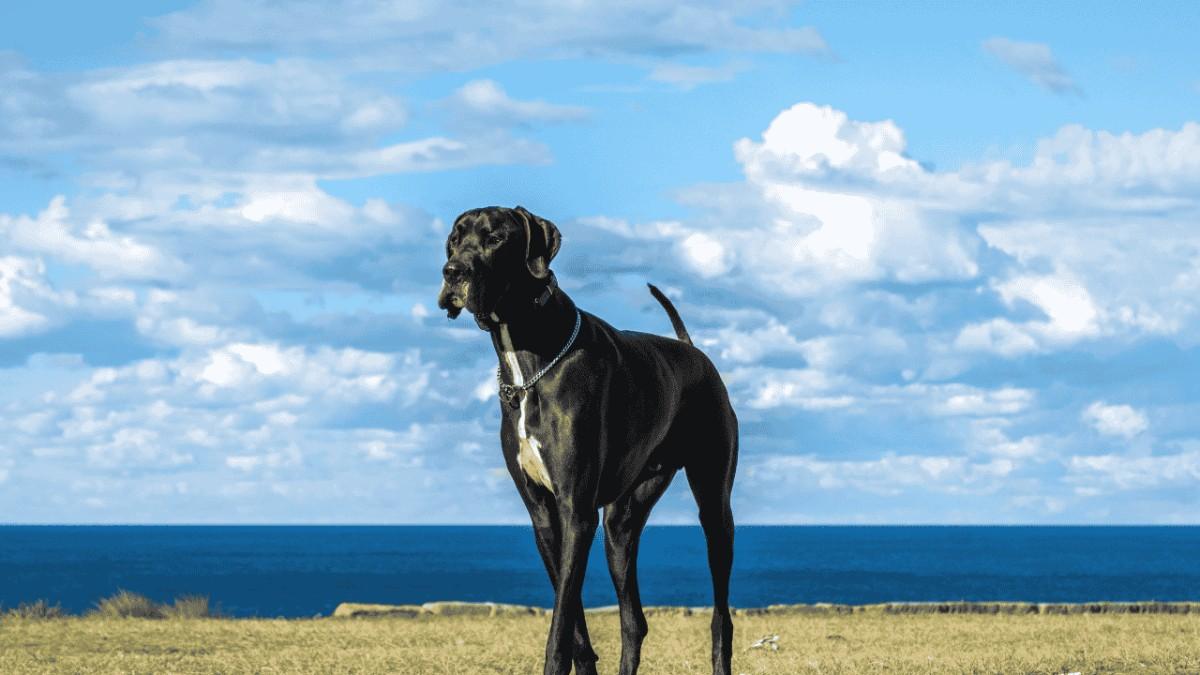
Great Danes are gentle giants—but sadly, they’re not hypoallergenic. Their short coat still sheds dander and saliva proteins that can trigger allergies. However, with smart care, love, and a few proven tricks, even people with mild allergies can live happily with this loyal breed.
👉 According to the American College of Allergy, Asthma, and Immunology (ACAAI), dog allergies affect nearly 10–20% of people worldwide who already suffer from allergies. And most of those reactions are caused not by hair—but by dander (tiny flakes of skin), saliva, and urine proteins that cling to fur and spread through the air.
The Reality: Great Danes Are Not Hypoallergenic
Let’s face it—Great Danes are massive.
And with their size comes a lot of… well, everything: love, drool, and yes, dander.
Even though they have short coats, Great Danes still shed a moderate amount throughout the year.
Because of their sheer body mass, they release a higher total amount of allergens than smaller dogs.
Scientific Insight:
- A 2012 study from the Journal of Allergy and Clinical Immunology found no significant difference in allergen levels between so-called “hypoallergenic” breeds and other dogs.
- Large breeds like Great Danes tend to carry more allergens per square inch of surface area simply because of their size.
Why Great Danes Trigger Allergies
Allergic reactions usually come from three main sources:
- Dander: Microscopic skin flakes that float in the air or stick to furniture.
- Saliva: Contains allergy-causing proteins (Can f 1, Can f 2) that spread when dogs lick themselves.
- Urine: Another allergen source, especially when cleaning up after your pet.
Even though Great Danes have short hair, they still shed a little every day. Those tiny bits of fur and skin can float around your home and bother people who are sensitive.
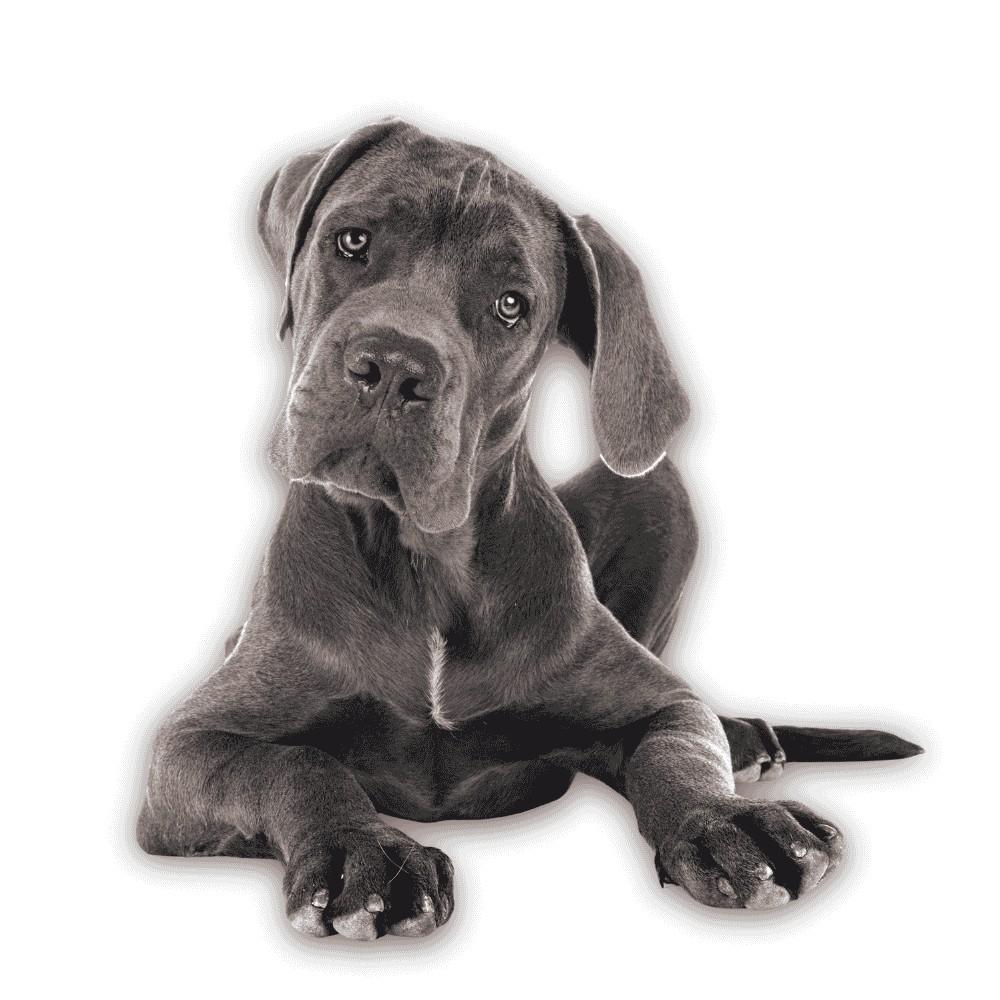
On top of that, Great Danes drool a lot — and their saliva can also carry allergens.
That’s why some owners start sneezing, get itchy eyes, or feel stuffy after spending time close to them.
Real-World Experiences: What Owners Say
Many Great Dane owners with allergies describe a “love vs. sneeze” battle.
“I’m allergic to most dogs, but my Dane’s dander still hits me hard during shedding season,” says Amanda L., a Great Dane owner from Ohio.
“But I’d never give him up. We just clean a lot more and use air purifiers.”
“It’s not the fur—it’s the drool,” shares Tom R., a first-time Great Dane dad.
“If he licks my hands, I’ll start itching right away.”
Their stories reflect what most experts say:
With care, people with mild allergies can manage living with a Great Dane.
Comparing Great Danes to “Hypoallergenic” Breeds
| Breed | Coat Type | Shedding | Allergen Level | Good for Allergy Sufferers? |
| Great Dane | Short, smooth | Moderate | High (due to size & saliva) | ❌ No |
| Poodle | Curly, low-shedding | Low | Low | ✅ Yes |
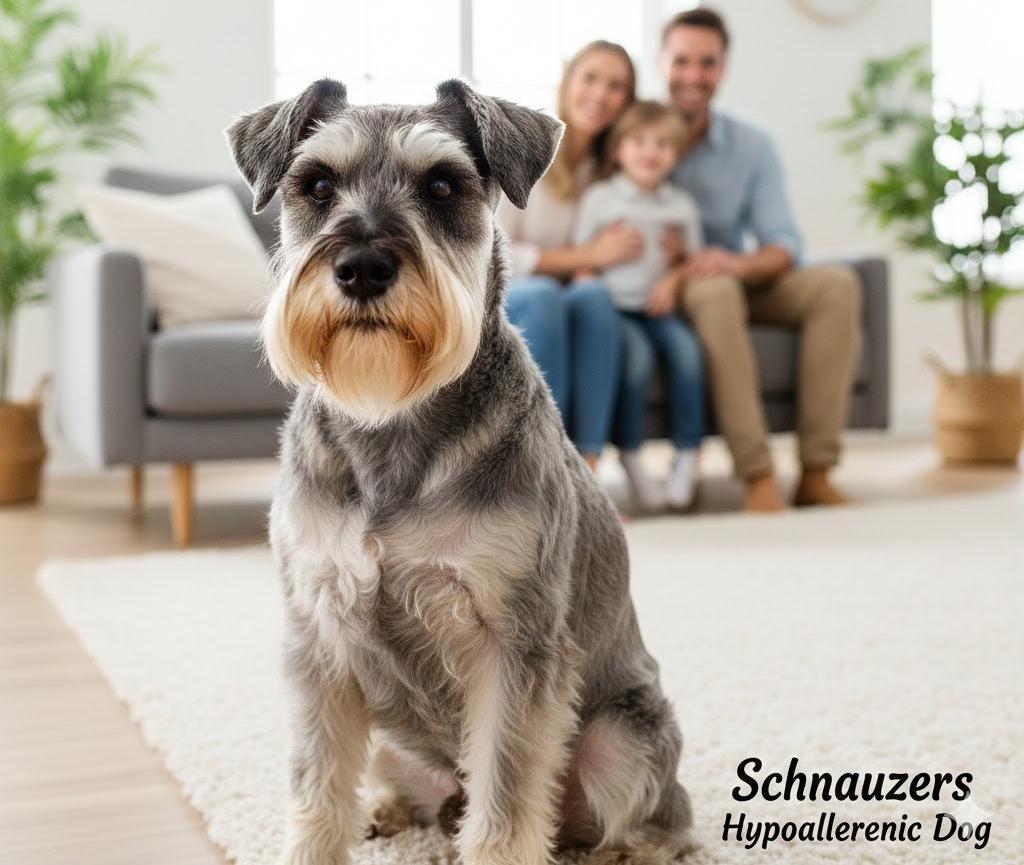
| Schnauzer | Wiry, low-shedding | Low | Low | ✅ Yes |
| Maltese | Long, silky | Minimal | Low | ✅ Yes |
Even though Great Danes shed less than hairy breeds like Huskies, their massive size multiplies how much allergen they spread.
How to Live with a Great Dane if You Have Allergies
Good news: it is possible to love your Great Dane and still breathe easy!
Here’s how to keep allergens under control:
1. Groom Regularly
- Brush your Dane 2–3 times a week using a soft-bristle or de-shedding glove.
- Bathe every 4–6 weeks with a hypoallergenic dog shampoo (over-bathing can dry their skin).
2. Clean Your Space
- Vacuum and mop floors twice weekly using a HEPA-filter vacuum.
- Wash bedding, blankets, and curtains often.
- Keep one or two “dog-free zones,” especially your bedroom.
3. Improve Air Quality
- Use HEPA air purifiers in main living areas.
- Keep good ventilation—open windows or use fans.
- Wash your hands and change clothes after playtime.
4. Manage Your Allergies
- Take antihistamines or nasal sprays as prescribed by an allergist.
- Consider immunotherapy (allergy shots) if symptoms persist.
- Consult your vet for special shampoos or dietary supplements that reduce dander.
Fun fact: According to the Asthma and Allergy Foundation of America (AAFA), consistent cleaning and HEPA filters can reduce indoor allergens by up to 50%!
When a Great Dane Might Still Be Right for You
If your allergies are mild and you’re ready to put in some cleaning work, a Great Dane can still be your best friend.
They’re known as “gentle giants” for a reason—they’re calm, loyal, protective, and incredibly affectionate.
But if you or a family member has severe asthma or chronic sinus allergies, it’s wiser to consider a smaller, low-shedding breed.
Remember: your health comes first, but that doesn’t mean you can’t find the right dog for your heart.
FAQs About Great Danes
How bad are Great Danes for allergies?
Great Danes are not good for people with allergies. They shed, drool, and produce dander that can easily trigger symptoms.
Why is the Great Dane called the heartbreak breed?
Great Danes often have a shorter lifespan compared to many other dogs. Their early health issues can make losing them especially painful for owners.
What are the downsides of the Great Dane?
They need a lot of space, food, and regular health care. Their large size can also lead to joint and heart problems.
Are Great Danes good family dogs?
Yes, Great Danes are gentle, loving, and very loyal to their families. They enjoy being close to people and form strong emotional bonds.
Are Great Danes good with kids?
Great Danes are usually very patient and kind with children. Because of their size, adult supervision is always important.