

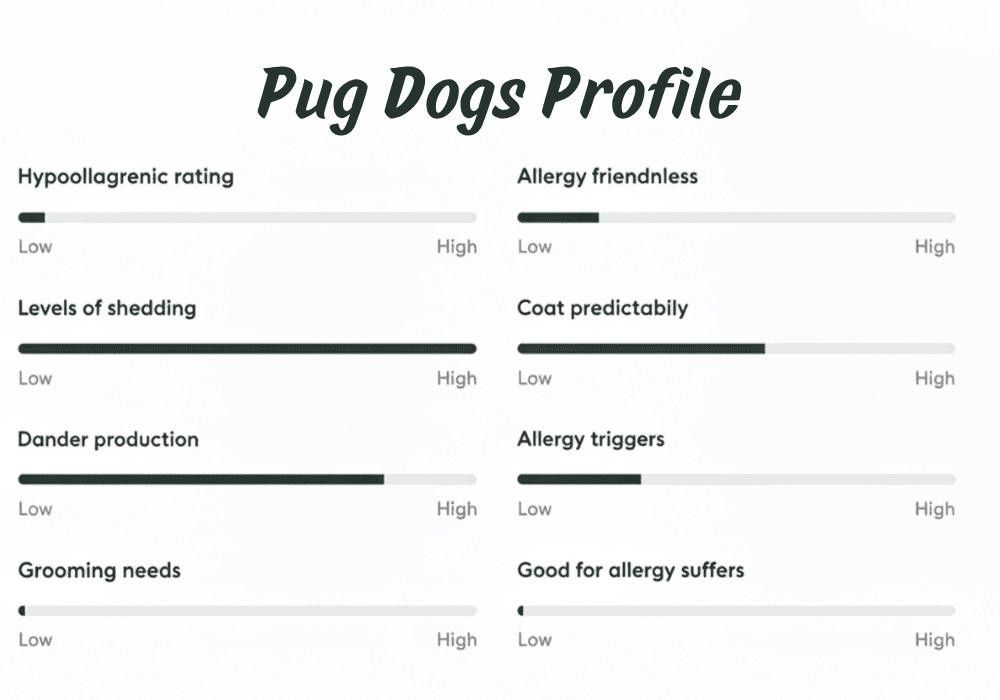
Pugs are adorable, loyal, and full of personality—but sadly, they’re not hypoallergenic. Their short and double coats shed more, filling the house with dander. So, if you’re someone who has allergies, a pug may not be the best choice for you.
Still, with the right care, cleaning, and grooming habits, some allergy sufferers can happily live with a pug. Here’s the full truth before you decide.
Why Everyone Falls in Love with Pugs
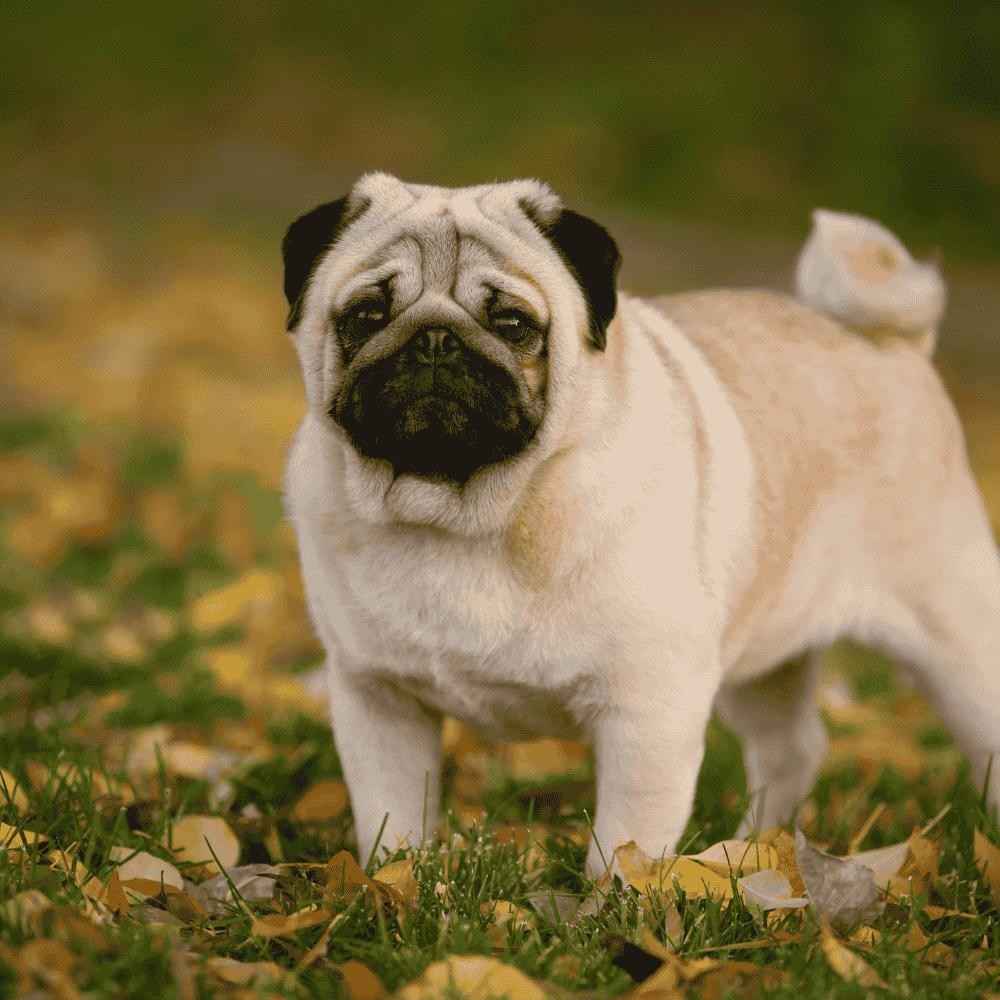
Those big, round eyes, curly tails, and silly snorts make them one of the most loved breeds in the world. They’re gentle, playful, and always ready to cuddle.
But if you or someone in your family sneezes or gets itchy around dogs, you might be wondering — is a pug safe for me?
Let’s find out.
So… Are Pugs Hypoallergenic?
No, pugs are not hypoallergenic.
Many people think “hypoallergenic” means “no allergies at all,” but that’s not true. The word only means less likely to cause an allergic reaction. Unfortunately, pugs don’t fit that category.
Why? Pugs shed a lot, drool, and release tiny proteins from their skin (dander) and saliva that can trigger allergies.
What Actually Causes Pugs’ Allergies?
It’s not the fur itself—it’s what’s on the fur.
Pugs release proteins called Can f 1 and Can f 2 found in their skin flakes, saliva, and even urine.
When Pugs shed, those proteins float through the air and stick to furniture, clothes, and carpets.
For people with sensitive immune systems, even a tiny amount can cause sneezing, watery eyes, or asthma-like symptoms.
Why Pugs Trigger Allergies More Than Some Other Dogs
Here’s why pugs are especially tough for allergy sufferers:
- They shed a lot.
Even though their fur looks short, pugs have a thick double coat. They shed year-round and even more during spring and fall. - They love cuddles.
Their constant closeness spreads dander more easily on your clothes and bedding. - Their skin folds trap allergens.
The wrinkles on their face collect moisture, saliva, and dander—making them harder to keep clean. - They drool and lick often.
Saliva carries allergy-causing proteins. When it dries, those proteins become airborne dust.

Pug vs Other Dog Breeds (Allergen Comparison)
| Breed | Shedding Level | Allergen Potential | Hypoallergenic? |
| Pug | Heavy | High | ❌ No |
| Poodle | Minimal | Low | ✅ Yes |
| Maltese | Light | Low | ✅ Yes |
| Shih Tzu | Moderate | Medium | ⚠️ Maybe |
| Labrador | Heavy | High | ❌ No |
| Bichon Frise | Minimal | Low | ✅ Yes |
Can Some Pugs Be More Tolerable Than Others?
Yes, every pug is different!
Some pugs might cause fewer allergy reactions due to:
- Health & skin condition: Healthy skin = less dander.
- Diet: A balanced diet rich in omega-3s helps reduce shedding.
- Regular grooming: The more you brush, the fewer allergens stay indoors.
- Environment: Homes with good air filtration and humidity control trap fewer allergens.
How to Reduce Allergies and Still Live with a Pug
Managing allergies with a pug is less about grooming style and more about daily hygiene and environmental control.
Because Pugs shed continuously, brushing is not optional. I usually recommend:
- Brushing four to five times per week to remove loose hair and dander
- Using a rubber or soft-bristle brush that captures fine hairs
- Bathing every three to four weeks, as oily skin can increase allergen spread
What makes Pugs different from many breeds is their facial structure. Skin folds need to be cleaned regularly to reduce moisture, bacteria, and odor — all of which can aggravate allergies.
Inside the home, saliva management matters more with Pugs than with many other breeds. I often suggest:
- Wiping the face and mouth after meals
- Washing dog beds and blankets weekly
- Keeping couches covered with washable throws
Research on indoor allergens shows that HEPA air filtration can significantly reduce airborne dander, which is especially helpful in homes with shedding breeds like Pugs.
Even with excellent care, I am honest with families: managing allergies with a pug requires consistent effort, not occasional cleaning.

Real-Life Tip: “Test Before You Adopt”
If you’re thinking about getting a pug, spend a few hours around one first — ideally indoors.
Notice how your body reacts after an hour or two.
Sometimes, mild allergy sufferers can adapt with care and cleaning, but for others, symptoms may get worse over time.
Health Issues That Can Worsen Allergies
Pugs are prone to certain skin problems that make shedding and dander worse, such as:
- Yeast infections in their wrinkles
- Dry skin or dermatitis
- Allergic reactions to food or shampoo
Keeping their skin healthy reduces allergens in your home. Use vet-recommended shampoos and keep their folds clean and dry.
If Pugs Don’t Work for You, Try These Breeds
If your allergies are too strong, these breeds are known to be more allergy-friendly:
- Poodle (any size)
- Bichon Frise
- Maltese
- Portuguese Water Dog
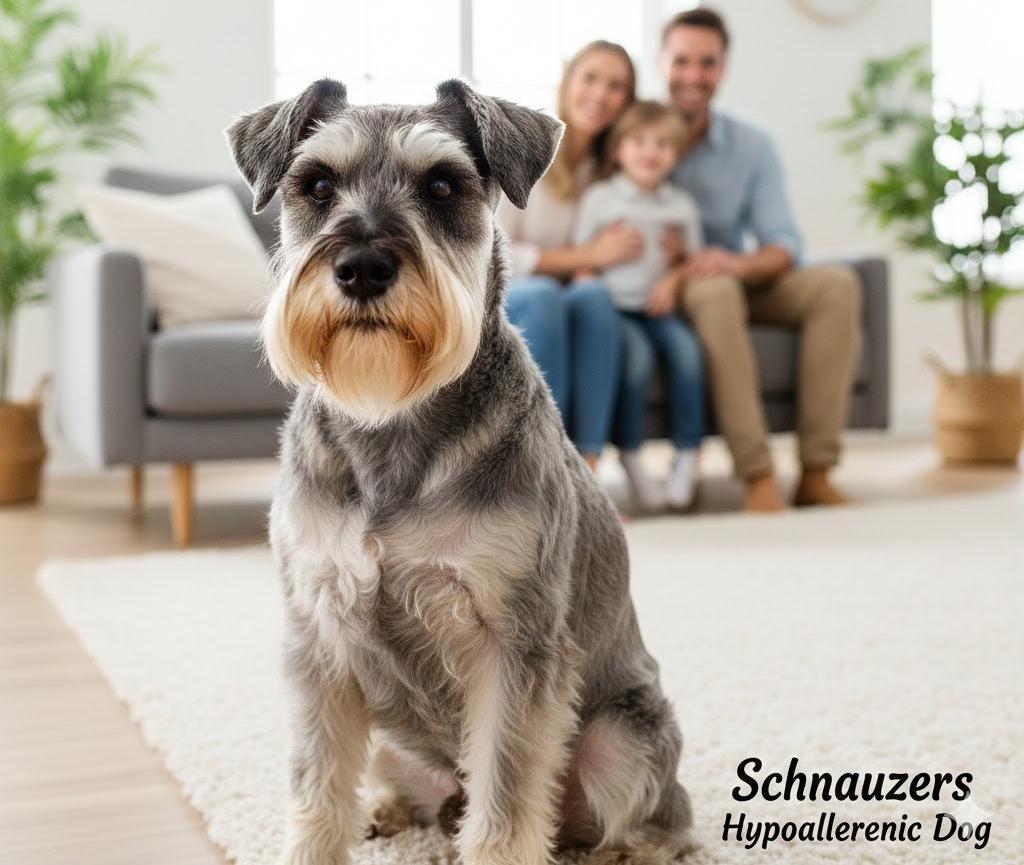
- Schnauzer (Miniature or Standard)
They shed less and produce fewer allergenic proteins.
Also read: Are Labradoodles hypoallergenic?
Quick Decision Checklist: Should You Get a Pug?
Ask yourself:
- Is my allergy mild and manageable with medication?
- Can I handle daily cleaning and grooming?
- Is it okay to keep the pug out of my bedroom?
- Can I afford an air purifier and allergy-safe cleaning products?
- Do I love this breed enough to put in the effort?

If you said yes to most, you might still enjoy life with a pug.
If not, it’s better to choose a low-shedding breed that won’t harm your health.
Final Thoughts
Pugs are pure love in a small body—loyal, funny, and full of life. But when it comes to allergies, they’re not the best match for everyone.
If your allergies are mild, you can manage them with cleaning, grooming, and care.
But if they’re severe, it’s okay to choose a breed that fits your health.
No matter what, remember: the best pet for you is the one that lets you breathe easy and love fully.
FAQs About Whether Pug Dogs Hypoallergenic
1. Are black pugs less allergenic than fawn pugs?
No. Color doesn’t affect allergen levels—shedding and dander are the same.
2. Do pug puppies cause fewer allergies?
Puppies may seem gentler, but as they grow and start shedding more, allergies often increase.
3. Do “retro pugs” (longer-nosed pugs) shed less?
Not really. Their breathing may be better, but shedding and dander production are the same.
4. Can allergy shots help me live with a pug?
Yes, many people manage mild allergies this way—but always consult your doctor first.
5. Is there any way to make a pug hypoallergenic?
No dog can be made hypoallergenic, but with effort, you can make your home less allergenic.