

Yes, Labradoodles are hypoallergenic, but no Labradoodle is 100% allergy-free. Many of us fall in love with Labradoodles, as they look cute and friendly. When deciding to keep a doodle at home, people thought, that Are Labradoodle Dogs Hypoallergenic?
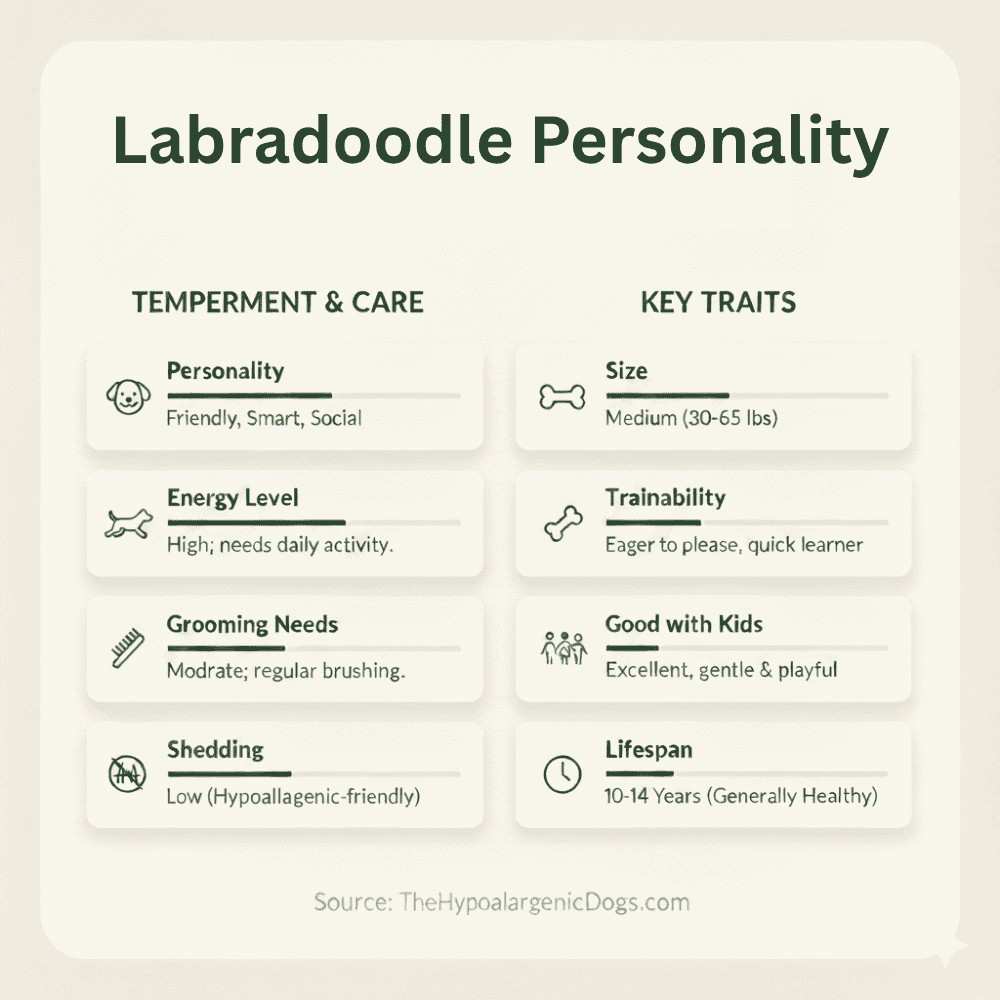
In this article, we’ll break it down in simple terms, explain why some people react to Labradoodles, and show how to enjoy a Labradoodle even if you have allergies.
Why Labradoodles Are Hypoallergenic?
Labradoodles are a mix of Labrador Retrievers and Poodles. Poodles are famous for their curly, low-shedding coats. When crossed with Labradors, some Labradoodles inherit these curly coats.
Their curly hair holds onto loose fur and dust, so less goes into the air. That’s why many people say Labradoodles are hypoallergenic.
But remember: not every Labradoodle will have the same coat. Some shed more, some less. Genetics plays a big role.
Different Coat Types & Allergy Impact
Labradoodles usually have one of these coat types:
- Wool coat – Soft, curly, very low shedding. Best for allergy sufferers.
- Fleece coat – Slightly wavy, soft, and low shedding. Good for most people with mild allergies.
- Hair coat – Straight or wavy, sheds more like a Labrador. Not ideal for allergy sufferers.
Choosing a dog with a wool or fleece coat increases the chance of fewer allergic reactions.
When Labradoodles Cause Allergies
Even hypoallergenic Labradoodles can cause problems if:
- You are very sensitive to dog dander
- The dog sheds more than expected (genetics can surprise you)
- Your home has poor ventilation or cleaning
- Grooming is irregular, so dander and hair build up
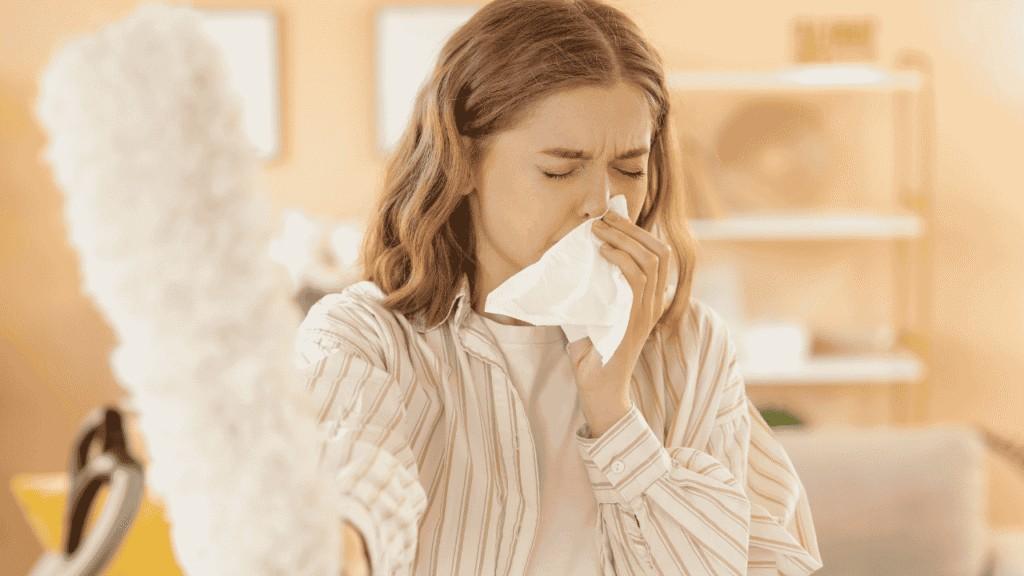
Allergy symptoms include sneezing, itchy eyes, a runny nose, or skin irritation.
How to Test & Choose a Labradoodle if You Have Allergies
When it comes to Labradoodles, I always tell people one honest thing first: the name alone does not make a dog allergy-friendly. With Labradoodles, everything depends on the coat type.
Most Labradoodles have one of three coats: curly (Poodle-like), wavy or fleece, and straight (more Labrador-like). In my experience, curly-coat Labradoodles shed the least, while straight-coat Labradoodles can shed almost like a Labrador.
If I’m helping someone test a Labradoodle for allergies, I never rush the process. I recommend:
- Spending time with an adult Labradoodle, not just a puppy, because puppy coats often change between 8 and 12 months
- At least 1–2 hours of indoor exposure, not just a quick visit
- Avoiding face or eye contact right after touching the Labradoodle, so reactions show naturally
Research shows that dog allergies are caused by dander and proteins, not hair itself. Even low-shedding dogs still produce allergens — just in lower amounts. That is why I never promise a “100% hypoallergenic” dog, and I encourage allergy-sensitive families to test carefully before committing.
Managing Allergies with a Labradoodle
Managing allergies with a Labradoodle is very possible, but it requires consistent coat care and home habits. This is where many owners struggle.
For curly- or fleece-coat Labradoodles:
- Average shedding level is very low (about 1–2 out of 10)
- If brushing is skipped, dander stays trapped in the coat and spreads indoors
From my experience, the most effective routine includes:
- Brushing 2–3 times per week using a slicker brush and metal comb
- Professional grooming every 4–6 weeks
- Bathing about once a month (more frequent baths can dry the skin and increase dander)
Inside the home, I always recommend:
- Keeping the bedroom a dog-free zone, which significantly reduces overnight allergy symptoms
- Using a HEPA air purifier, which studies show can reduce airborne allergens by 50–60%
- Choosing washable couch covers and bedding, since Labradoodle dander sticks easily to fabric
I am always honest about this: if someone has severe allergies or asthma, even a Labradoodle requires daily effort. This breed is low-shedding, but it’s not zero-maintenance.
Alternatives & Comparisons
If a Labradoodle does not feel like the right fit, I prefer to discuss realistic alternatives, not just popular choices.
Labradoodle vs. Poodle:
In my experience, Poodles are more predictable when it comes to low shedding and allergy control. Labradoodles can vary widely depending on genetics. For people with severe allergies, I often consider a pure Poodle the safer option.
Labradoodle vs. Goldendoodle:
Both breeds are similar, but Golden Retriever genetics usually mean slightly higher shedding. For allergy-sensitive homes, Labradoodles often perform a bit better, especially with curlier coats.
I also believe in saying this clearly: if someone has multiple dog allergies, asthma, or relies on daily medication, exploring non-dog pets or temporary fostering first can be a smarter and safer step.
Are Labradoodles a Good Choice for Severe Allergies?
From what I have seen, Labradoodles are best suited for people with mild to moderate dog allergies.
For individuals with:
- Severe asthma
- Multiple pet allergies
- Daily allergy medication needs
Even a curly-coat Labradoodle may still cause discomfort over time. In these cases, I recommend extended testing or exploring breeds with more predictable coats.
Real Stories
Many allergy sufferers report positive experiences with Labradoodles:
- “I always sneezed around dogs, but my wool-coated Labradoodle doesn’t trigger my allergies much. I can finally cuddle without worry.” – Sarah, dog owner
- “We chose a fleece Labradoodle after testing different puppies. It’s been a game-changer for our family with kids who have mild allergies.” – Ahmed, dog owner
Final Recommendation
Labradoodles can be hypoallergenic, but it depends on the dog’s coat and your personal sensitivity. If you:
- Choose a wool or fleece coat
- Test for allergies before adoption
- Keep a clean and well-groomed home
You can enjoy a Labradoodle without major allergy issues.
FAQs
Q: Will a Labradoodle make me sneeze?
A: Maybe, but wool or fleece coats reduce the risk.
Q: How often should I groom my Labradoodle?
A: At least 2–3 times a week for brushing, and monthly bathing is recommended.
Q: Which coat type is best for allergies?
A: Wool coats are the most allergy-friendly, followed by fleece.
Q: Can other breeds be better than Labradoodles?
A: Yes, Poodles, Bichon Frise, and Maltese are also great options.
Q: Are Labradoodles good for people with allergies?
A: Labradoodles can suit mild allergy sufferers, but they’re not fully hypoallergenic.